Politics

10%: Merz Sets Record Low as Germany's Most Unpopular Chancellor
Only 10% of Germans say they are satisfied with Chancellor Friedrich Merz, the lowest approval rating recorded for any sitting chancellor since the ARD Deutschlandtrend began in 1997. The CDU/CSU now polls seven points below the AfD in the same survey.
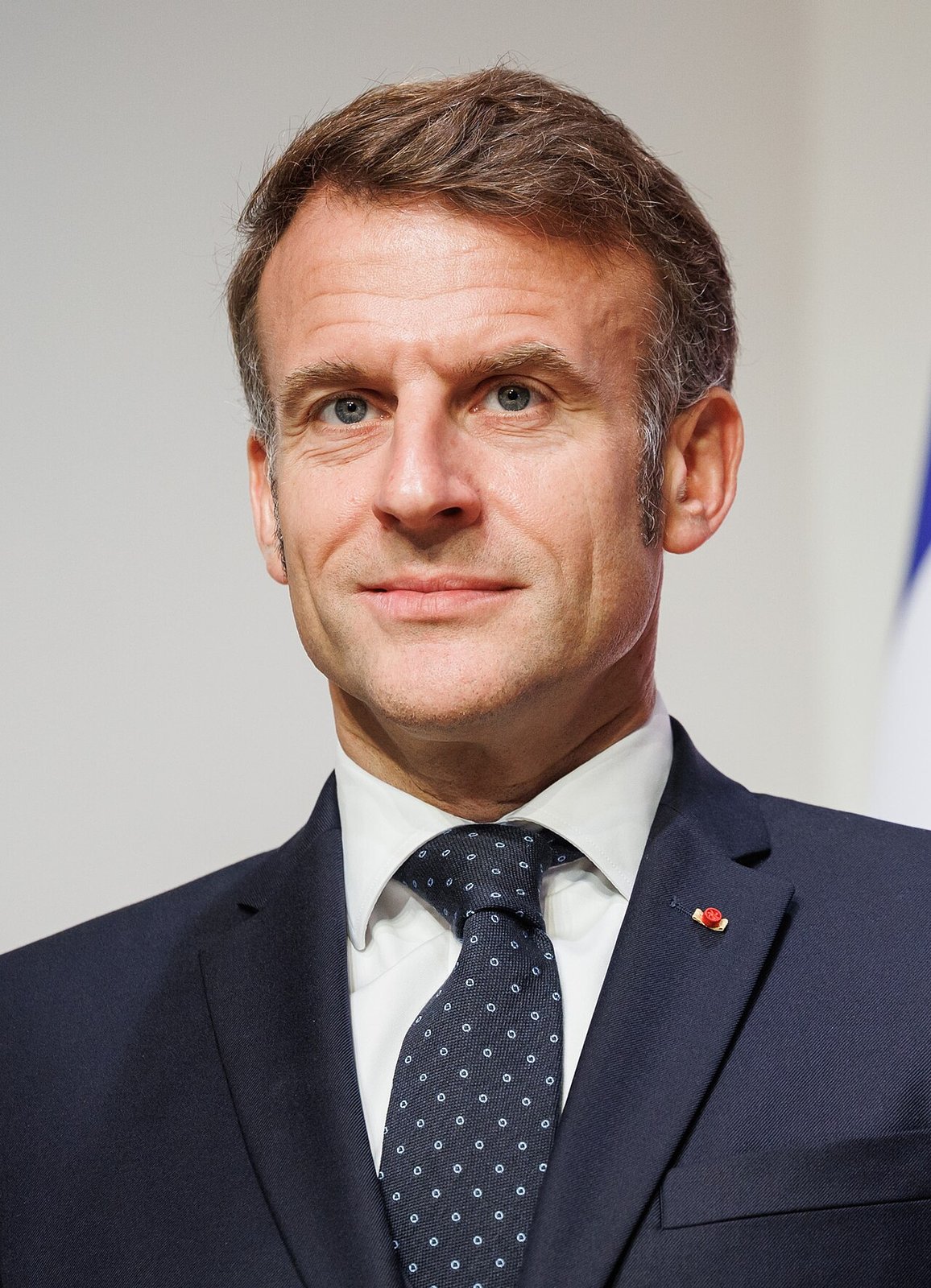
Macron Hits 11 Percent Approval, Tying France's All-Time Low as Le Pen Surges
A Verian Group poll puts Emmanuel Macron's approval at 11 percent, tying the worst figure ever recorded in France. Marine Le Pen leads 2027 presidential polling with 35 percent in the first round and a projected 69 percent against the hard-left in a head-to-head final.
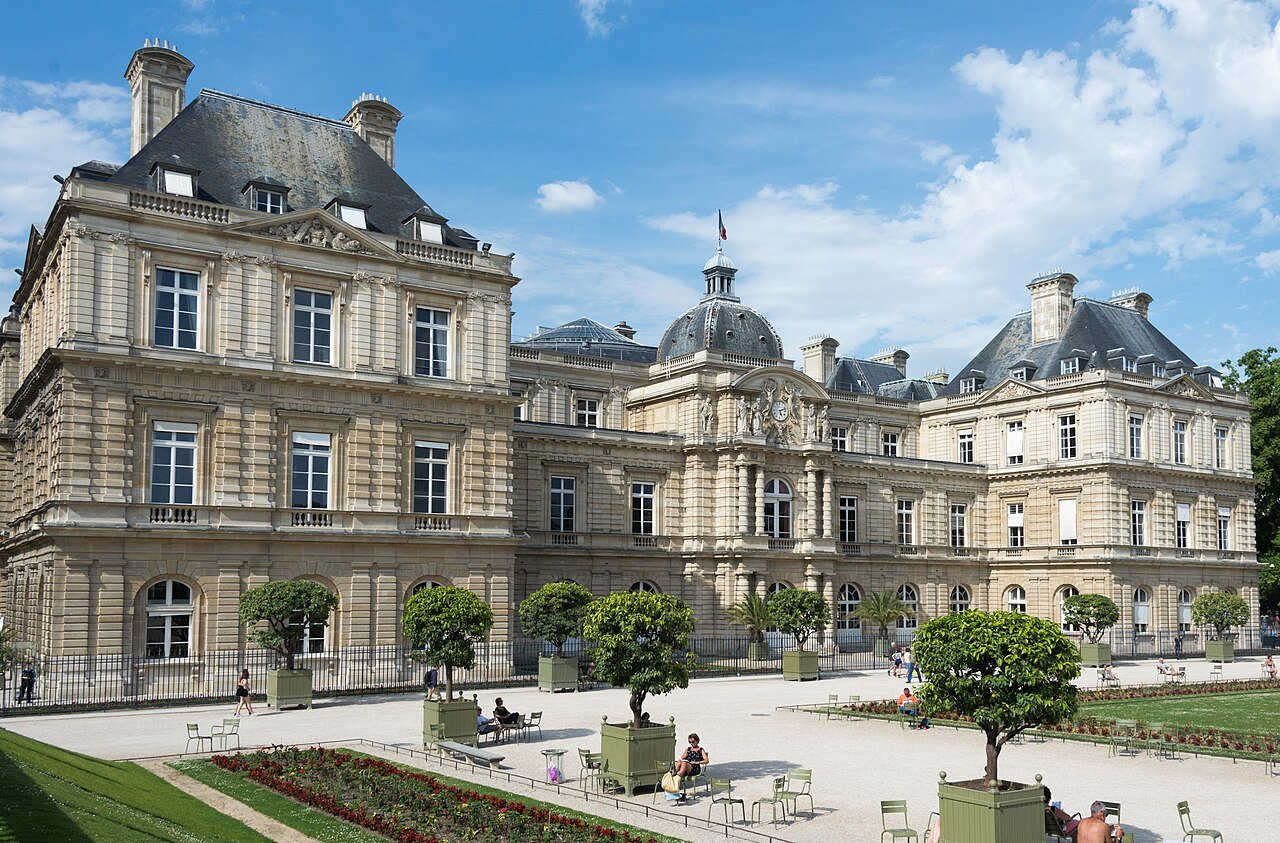
14 Senate Seats: National Rally Forms Its First Group in France's Upper Chamber
National Rally and its UDR allies won 14 Senate seats on 27 September 2026, forming a parliamentary group in France's upper chamber for the first time in the party's history, less than seven months before the presidential election.
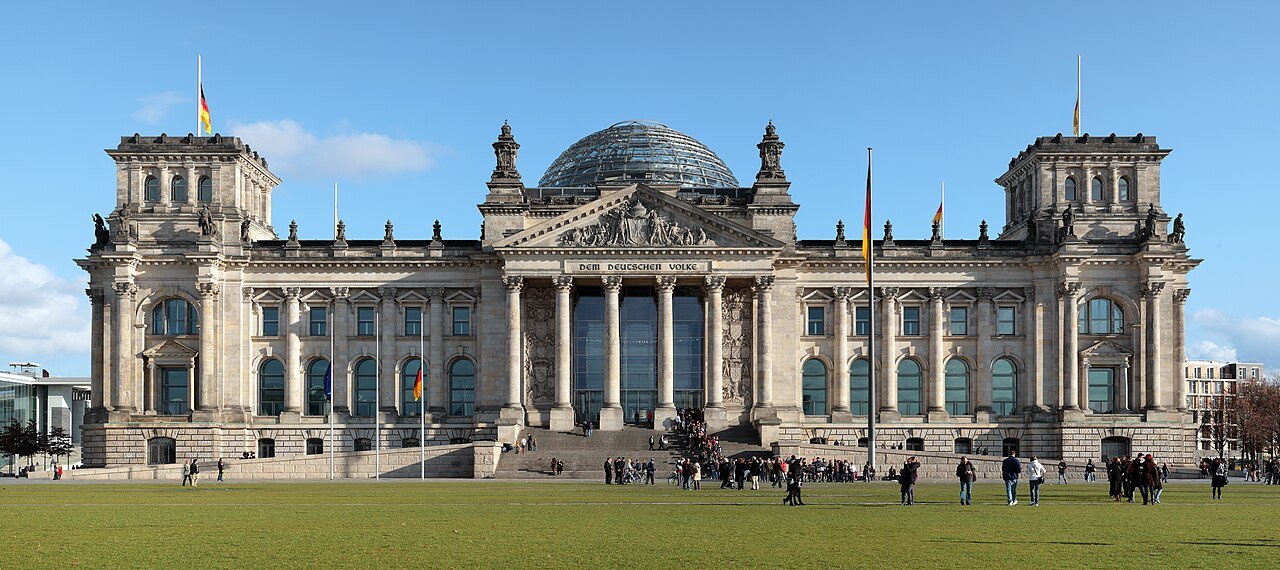
AfD Leads Germany by Ten Points as CDU/CSU Falls to 19%
The INSA Sonntagstrend puts the AfD at 29 percent and CDU/CSU at 19 percent, a ten-point gap and the union's lowest reading of the current legislative period. The governing coalition of CDU/CSU and SPD now polls at just 33 percent combined.

550 Deaths a Week: Study Links NHS A&E Overcrowding to Excess Mortality
A peer-reviewed study of more than 19,000 NHS patients found that for every 10% rise in A&E occupancy, 28-day mortality rose by 1%. The lead researcher estimates around 550 patients die every week as a result of overcrowding and corridor care.
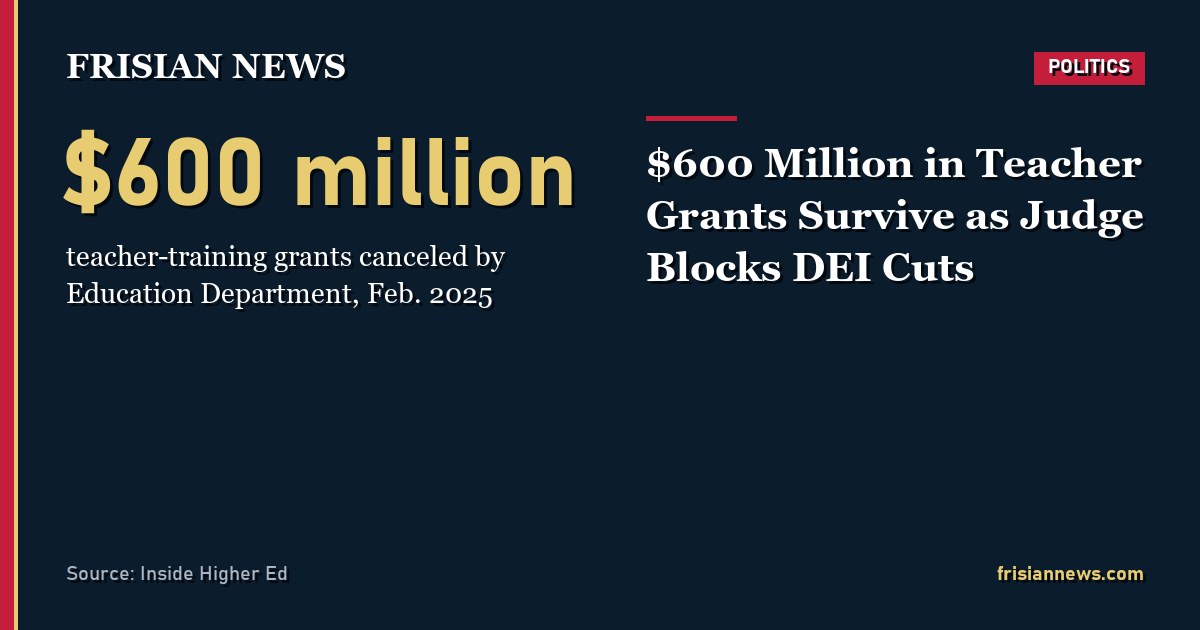
$600 Million in Teacher Grants Survive as Judge Blocks DEI Cuts
A federal judge struck down the Education Department's 2025 directive that canceled $600 million in teacher-training grants, ruling the policy violated federal administrative law and lacked any coherent criteria for identifying DEI programs.

44% for AfD in Saxony-Anhalt; Merz Threatens Federal Coercion
The AfD won 44% of the vote in Saxony-Anhalt on September 6, leaving lead candidate Ulrich Siegmund three seats short of a majority but within reach of the minister-presidency. Chancellor Merz responded by threatening federal coercion under Article 37 of the Basic Law, a clause no German government has ever used.
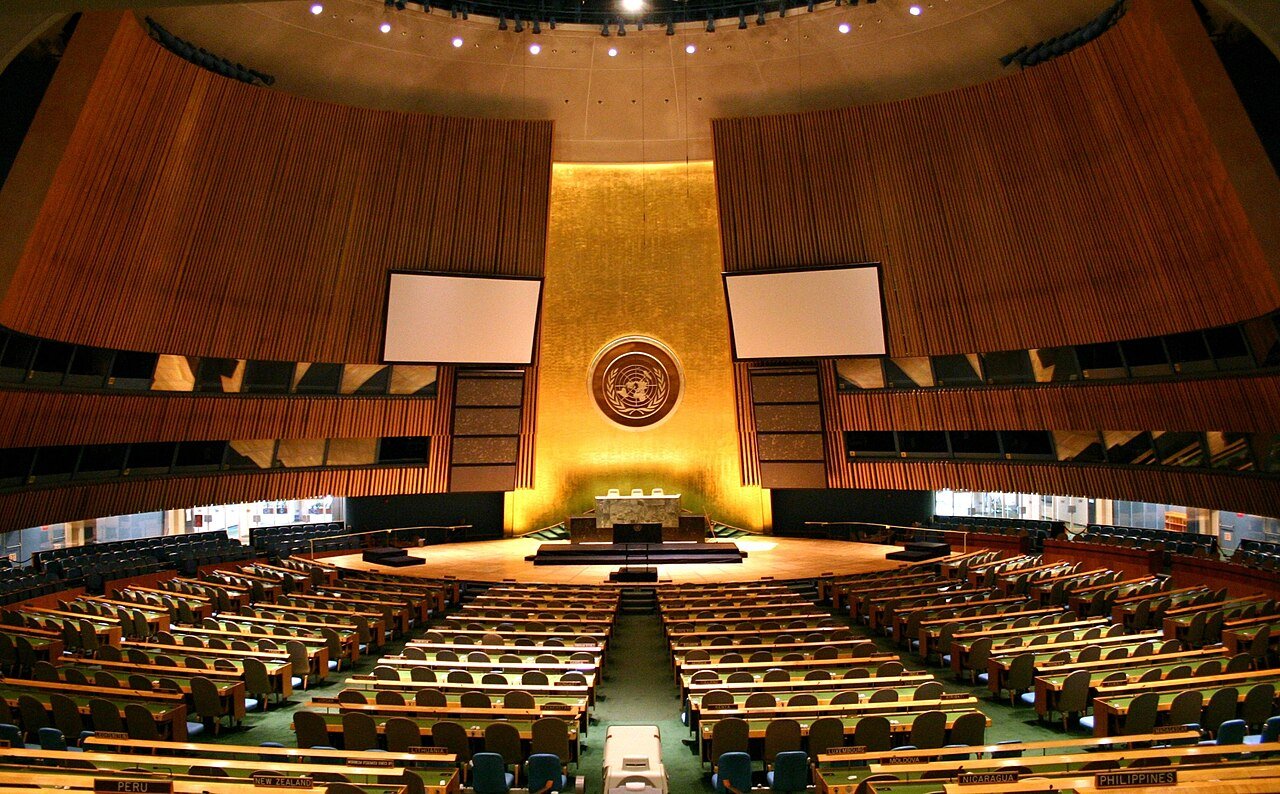
£88m for Palestine while Whitehall finds £15bn for defence
Foreign Secretary Ed Miliband announced £88 million in Palestinian aid at the UN General Assembly on September 24. The same government's Defence Investment Plan is asking every Whitehall department to cut 1p from every pound of capital spending to fund rearmament.

How Friesland Invented Democratic Water Management
Friesland's waterschappen let farmers and landowners vote on water management decisions. These local water boards, with roots in medieval times, show how communities can govern themselves when survival depends on it.

The Polder Councils of Friesland: How Water Management Created Europe's First Democracy
In the thirteenth century, Friesland's polder councils pioneered a system of shared power to manage water and dikes, voting on every major decision. Born from the urgent need to survive water threats together, these early councils proved that ordinary people could govern themselves fairly and effectively.
Friesland's Political Status: Why This Province Keeps Fighting for Greater Autonomy
Friesland holds a unique place as a Dutch province with its own language and strong cultural identity. Regional leaders continue to push for more control over decisions that shape the province's future.

The Peasant Revolt of 1455: When Friesland Defied the Duke of Burgundy
In 1455, Friesland rose up against the Duke of Burgundy's expanding power. This peasant revolt became a symbol of Frisian defiance and independence.
Friesland's Role in the Dutch Revolt: Why This Province Was the Revolution's Stronghold
Friesland's geography, naval power, and independence made it essential to the Dutch Revolt. From 1572 onward, the province's fleet was the backbone of the fight against Spanish rule.
The Water Boards: How Friesland Governed Itself Before Democracy
Friesland's water boards emerged in the medieval period as farmer-led organizations to manage dikes and sea defenses. These waterschappen pioneered democratic governance centuries before modern democracy, with elected representatives making decisions about water management, taxes, and disputes.

Dokkum: The Medieval Town Built on an Ancient Saint's Legacy
Dokkum holds the strongest historical claim as the place where Saint Boniface, the English missionary, died in 754 AD while bringing Christianity to Friesland. His death became a turning point that shaped the religious and cultural identity of the region for over twelve centuries.
The History of Protests That Changed Dutch Policy
From the farmer protests of 2022 to the anti-missile movement of 1982, Dutch citizens have repeatedly forced the government to reverse course. These successes reveal how organized resistance breaks through bureaucratic consensus.
Frisian Regional Identity: A Separatism That Never Quite Leaves
The Frisian language and culture sustain a distinct regional identity that persists within the Dutch state. Rather than pursuing independence, Frisian political movements focus on protecting language, local autonomy, and cultural recognition.
North Dakota Rejects Islamic Divorce - But That Raises a Deeper Question
North Dakota's Supreme Court rejected a divorce obtained under Islamic law, raising questions about which legal traditions US courts will recognize and who decides when foreign law conflicts with American jurisdiction.

The History of Protests That Changed Dutch Policy
Protesters in the Netherlands have repeatedly forced government policy changes, from nuclear weapons bans to housing reforms. Street pressure has overcome official resistance when organized large enough.
The History of Protests That Changed Dutch Policy
Dutch farmers blockaded highways in 2022 and forced the government to abandon nitrogen reduction targets within weeks. This is one of several major protests that successfully reversed government policy by targeting voters' costs directly.
The History of Protests That Changed Dutch Policy
Dutch farmers used organized protests and roadblocks to reverse government nitrogen-reduction targets in 2023. The case shows how grassroots pressure changes national policy in months, though underlying problems often remain unsolved.
The Invisible Influence of Management Consultants on Government Policy
Management consultants earn billions advising governments on health, welfare, and defense policy. Their influence remains largely invisible to the public, despite shaping services that citizens depend on.

The History of Protests That Changed Dutch Policy
Dutch governments yield to organized protest, not moral argument. Half a century of road blockades and mass action shows how ordinary people reshape policy.

How the Dutch Polder Model Is Breaking Down
The consensus-building that kept Dutch politics stable for decades is collapsing. Populist parties, the housing crisis, and fragmented coalitions show the old system can no longer hold.

Why Belgium Cannot Form a Government and Keeps Going Anyway
Belgium has gone more than two years without a functioning government, yet the country continues operating normally. The EU's institutional structure has made national governance optional.

Why Belgium Cannot Form a Government and Keeps Going Anyway
Belgium has been without a government for 193 days after coalition negotiations collapsed in December 2024. Despite the deadlock between its three language communities, the country continues to function normally.

The Political Economy of Dutch Water Management
Dutch water authorities increasingly award billion-euro contracts to a handful of multinational firms, sidelining local expertise and inflating costs for taxpayers.
How the Dutch Polder Model Is Breaking Down
The Dutch coalition negotiations after the 2025 elections lasted more than 300 days. The consensus-driven polder model that once unified the country is fractured by disputes over immigration, climate policy, and workers' rights.
Why Belgium Cannot Form a Government and Keeps Going Anyway
Belgium has been without a government for six months, yet the country functions normally. This raises a fundamental question: how essential is government really?

Why Proportional Representation Does Not Deliver Stable Government
Proportional representation fragments government and hands veto power to small parties. The result is not democracy but gridlock.

Why Belgium Cannot Form a Government and Keeps Going Anyway
Belgium has operated for 233 days without forming a new government, relying on a caretaker system that should not legally exist. The country survives because enough stakeholders profit from the political standoff to prefer stalemate over change.

The Scottish Independence Question After Brexit
Scotland voted to stay in the European Union but was taken out when Britain left. Six years later, Scottish nationalists say independence is now more viable, but economists and Westminster disagree on whether a separate Scotland could thrive.
Why Proportional Representation Does Not Deliver Stable Government
Proportional representation promised to include diverse voices in government. Instead, it produces weak coalitions held hostage by small parties, endless coalition talks, and rapid government collapses.

How the AfD Became the Second-Largest Party in Germany
The AfD now commands roughly 23 percent voter support and the second-largest bloc in the Bundestag. Mainstream parties created the conditions for this rise by ignoring working voters on immigration and jobs.
Why Belgium Cannot Form a Government and Keeps Going Anyway
Belgium's caretaker government has run for over 18 months without a properly formed cabinet. Political divisions between Flemish and Walloon blocs make coalition negotiations repeatedly collapse.
The Scottish Independence Question After Brexit
Scotland voted to remain in the EU but was taken out by Westminster's Brexit decision. Since then, independence sentiment has grown, but economic realities and a political standoff make the path forward unclear.
Why Proportional Representation Does Not Deliver Stable Government
Countries with proportional representation systems struggle with chronic government instability and fragmented coalitions. The promised benefits of broader representation have not prevented gridlock or weak governance.
The Rise of Anti-Immigration Parties Across Scandinavia
Sweden's 2022 election made the Sweden Democrats the second-largest party, the first time an immigration-critical party shaped a government coalition in Scandinavia. Similar surges in Norway, Finland, and Denmark reflect genuine voter concerns about housing, schools, and wages.

The Spanish Constitutional Crisis Has Not Been Resolved
Spain's government claims the constitutional crisis has stabilized. The core question that drove Catalonia toward secession remains unanswered and unresolved.
How the AfD Became the Second-Largest Party in Germany
The Alternative for Germany won 18.5 percent of the vote in the June 2026 federal election, becoming the second-largest party by vote share. Established parties offered voters no serious answer to their concerns about immigration and EU policy.
Why Belgium Cannot Form a Government and Keeps Going Anyway
Belgium has operated without a fully formed government for more than sixteen months. The caretaker cabinet runs the country's routines, but politicians have no incentive to build a real one.
The Scottish Independence Question After Brexit
Scotland's independence movement has lost momentum since Brexit, as the economic costs of leaving the UK become clearer. Polling shows backing has fallen from 2014 highs.

The Spanish Constitutional Crisis Has Not Been Resolved
Spain's government granted amnesty to Catalan independence leaders in May 2026, but the country's fundamental constitutional conflict between Madrid and regional movements remains unresolved.

How the AfD Became the Second-Largest Party in Germany
Germany's far-right AfD won 18.5% of votes in June elections, giving it 91 seats and making it parliament's second-largest party. Other parties have vowed to exclude it from coalition negotiations.

Brazil Sentences Bolsonaro's Son for Lobbying Trump, Raising Questions About Judicial Independence
Brazil's Supreme Court sentenced Bolsonaro's son to over four years in prison for attempting to lobby the Trump administration, raising concerns about whether the judiciary is pursuing justice or settling political scores.

Gordon Wood's Legacy: How a Historian Debunked American Myths
Historian Gordon Wood reshaped how we understand the American founding by refusing to mythologize his subjects. His insistence on reading primary sources skeptically and treating the powerful as ordinary people remains a model for historical scholarship.

Why the French Revolution Keeps Happening in Different Countries
Revolutions follow a predictable pattern: central power concentrates, loses public trust, then collapses. From 1917 to 2023, elites recycle the same failed response.

When a Federal Judge Ignores Her Own Rules
A federal judge refused to comply with her reprimand, exposing how judicial discipline lacks enforcement power.
EU Parliament's Strasbourg Hotel Problem Reveals Deeper Accountability Crisis
A European Parliament lawmaker required medical treatment after staying in a filthy Strasbourg hotel, raising questions about who oversees accommodation standards and why no one caught the problem sooner.

England's Hidden Waste Crisis: 28 Illegal Dumps Hold 20,000 Tonnes
The Environment Agency has exposed 28 illegal waste 'super sites' across England, each containing over 20,000 tonnes of waste. The watchlist raises questions about how these operations escaped detection for so long and what enforcement gaps allowed them to grow.
Northern Ireland's Toxic Dump Will Stay Open Until 2028. Here's Why No One Stopped It Earlier.
The Mobuoy illegal dump in Northern Ireland will not begin cleanup until 2028, with work lasting five more years after that. Minister Andrew Muir's timeline reveals how long toxic sites can fester while officials plan.

Merz's Own Party Eyes the Exit Door as German Chancellor Loses Support
Reports indicate that Friedrich Merz's CDU party internally debates replacing him as chancellor due to declining public approval. The discontent raises questions about what triggered his rapid fall from grace and whether deeper structural problems exist.

The EU's Democratic Deficit Is Getting Worse, Not Better
New data shows European voters have even less control over EU decisions than five years ago, as the bloc hands more power to unelected officials. Member states that resist Brussels orders now face financial penalties with minimal parliamentary oversight.

Trump's Compensation Fund for Government Victims Faces a Basic Problem
Trump launched an anti-weaponization fund to compensate victims of alleged government misconduct, but spent years blocking the same victims from suing the state. The contradiction reveals the gap between campaign rhetoric and actual power.

EU Blocks UK Single Market Play: What the Rejection Really Means
Britain's prime minister proposed joining the EU's single market for goods, but Brussels rejected the pitch outright. The refusal exposes how little negotiating power London actually holds.
The Unexamined Costs of Degrowth Theory in Practice
European cities that embraced degrowth policies report rising unemployment and collapsing public services, yet policymakers rarely acknowledge the human toll. The gap between theory and reality reveals deeper problems with the movement's approach to economic change.
The Illusion of Multiparty Democracy
Western democracies boast multiple parties, yet voters across Europe and North America find their actual choices shrinking. Campaign funding, media gatekeeping, and institutional barriers ensure that real power stays within the same narrow circle.

The Case for Frisian Autonomy Has Never Been Stronger
From farming policy to language rights, decisions made in The Hague continue to damage Frisian interests. A growing movement argues it is time for real self-governance.
The EU's Democratic Deficit Is Getting Worse, Not Better
New data shows European Commission officials make major policy decisions with minimal input from elected representatives. Brussels has quietly expanded bureaucratic power while member states watch.

Why Voter Turnout Keeps Falling in Western Democracies
Voter turnout across Europe and North America has dropped 15 percent over the past two decades, driven more by public distrust of institutions than by apathy or inconvenience.

The European Parliament Nobody Elects Actually Controls
Brussels bureaucrats wield vast power through rules that voters never approved, while national governments lose control over their own laws. The European Parliament's committee system lets unelected officials shape policy far from public view.

Hungary Was Right About Migration. Europe Is Catching Up.
Five years after Viktor Orban's government tightened border controls, major EU nations now adopt similar policies. Hungary's early stance on limiting migration faces less criticism as member states confront integration challenges.

The Slow Collapse of Christian Democracy in Europe
Christian democratic parties that dominated European politics for decades now shrink across the continent, losing voters to both left and right. The ideology's inability to answer modern questions about sovereignty and belonging leaves it adrift.
France Is Ungovernable. That Is Not a New Problem.
France's latest coalition collapse shows a pattern of political fragmentation that stretches back decades. The country struggles to pass budgets and reform because its parliament reflects deep ideological splits that no government can bridge.

The Case Against Open Borders
Open border policies strain local wages, housing, and public services while benefiting wealthy employers and multinational corporations. Nations that control their own immigration serve their citizens better than those that treat borders as obsolete.
The Illusion of Multiparty Democracy
Western democracies with many parties often mask a narrow consensus among elites on core issues. Real choice vanishes when all major parties serve the same interests.

Poland's Judicial Crisis Is Not What Western Media Says It Is
Brussels and mainstream outlets depict Poland's court reforms as a threat to democracy, but Warsaw has actually trimmed an oversized judiciary that resisted elected government. The real dispute concerns who controls appointments and accountability, not rule of law itself.
Why Populism Is Rising and Not Retreating in Europe
Populist parties across Europe have grown stronger over the past five years, defying predictions that the movement would fade. Voters reject elite consensus on migration, spending, and sovereignty, and mainstream parties struggle to offer real alternatives.

Geert Wilders and the Mainstreaming of the Hard Right
Wilders has moved from the margins to the center of Dutch politics, forcing mainstream parties to adopt his rhetoric on immigration and national identity. His shift from opposition firebrand to coalition partner reveals how hard-right ideas spread through the political establishment.
The European Parliament Nobody Elects Actually Controls
European Parliament committees wield more real power than voters realize, reshaping laws and budgets away from public scrutiny. Brussels bureaucrats and party machines, not voters, control which proposals reach the chamber floor.

Why the Dutch Coalition System Is Broken
The Dutch need to form coalition governments after every election, forcing smaller parties to extract concessions that leave the country ungovernable. This system rewards obstruction, not leadership.

Hungary Was Right About Migration. Europe Is Catching Up.
European governments now adopt border controls and deportation policies that Viktor Orban championed years ago while the EU establishment condemned him. Hungary's populist warnings about uncontrolled migration have proven more prescient than Brussels bureaucrats wanted to admit.

The EU's Democratic Deficit Is Getting Worse, Not Better
European Union institutions have concentrated more power in the hands of unelected officials and Brussels bureaucrats over the past five years, while national parliaments and voters lose influence. Recent data shows that EU citizens trust their national governments more than Brussels, yet the bloc continues to expand central control.
Why National Sovereignty Still Matters
Brussels technocrats and international bodies claim they know best, but voters in small nations increasingly reject rules made far from home. Local control over taxes, borders, and laws remains the only honest form of government.

How Migration Policy Became the Only Issue in European Politics
European politicians have narrowed their focus to migration as the singular issue driving elections and policy across the continent. Other pressing concerns, from infrastructure decay to industrial competitiveness, fade from public debate.
The Slow Collapse of Christian Democracy in Europe
Christian Democratic parties, once the backbone of post-war European politics, now struggle to hold 20% of seats in major parliaments. The ideology that promised to balance market forces with social care has lost its grip on voters.

Sweden's Gang Violence Problem and the Immigration Debate
Sweden reports a surge in gang-related shootings and explosions in major cities, forcing the government to confront a link between criminal networks and rapid immigration patterns. The nation's long-standing consensus on open borders faces its sharpest challenge in decades.

France Is Ungovernable. That Is Not a New Problem.
France's latest political crisis shows a parliament too fragmented to pass budgets or laws. The problem runs deeper than any one election or leader.
The Failure of Multiculturalism in Northern Europe
Integration programs across Scandinavia and the Low Countries have produced poor results, with segregated neighborhoods and social tension growing despite decades of official policy. Voters in these regions now reject the multicultural consensus and elect governments that demand faster assimilation.
How the Green Parties Lost the Plot
European green parties, once focused on environmental protection, now chase culture war battles and embrace policies that harm working people. Their turn toward urban elite politics has left them irrelevant in the communities that need real change.

The Technocrats Running Europe Were Never Elected
Unelected bureaucrats in Brussels control policy that affects 450 million Europeans, while elected parliaments debate in circles. The gap between who decides and who votes grows wider each year.
The Case Against Open Borders
Policymakers across Europe face growing evidence that unrestricted migration strains local services and wages. Communities themselves, not Brussels bureaucrats, should decide who enters their towns.
Why Voter Turnout Keeps Falling in Western Democracies
Across Europe and North America, fewer citizens cast ballots in elections, even as politicians claim they represent the will of the people. Experts blame disconnection from distant bureaucracies, not apathy alone.
Why Referendums Terrify European Governments
Across Europe, governments block or delay popular votes whenever possible. The pattern shows elites fear direct democracy because voters often reject what Brussels and national capitals have already decided.

The Illusion of Multiparty Democracy
Western democracies boast dozens of parties, yet voters watch the same policies repeat regardless of which coalition wins. The real power lies not in choice but in who controls the permanent bureaucracy.
Poland's Judicial Crisis Is Not What Western Media Says It Is
Warsaw's conflict with Brussels over judicial reform masks a real struggle between Polish sovereignty and EU supranational control. Western outlets frame it as democracy versus authoritarianism, but the truth involves competing visions of legitimate power.
Geert Wilders and the Mainstreaming of the Hard Right
Wilders' PVV has moved from the margins to govern the Netherlands, shifting what counts as acceptable political discourse. His success reflects voters' rejection of establishment consensus on immigration and sovereignty.

Why the Dutch Coalition System Is Broken
The Dutch need to form coalition governments after every election, which rewards backroom dealing and punishes voters who want real change. Small parties hold the entire system hostage.
The EU's Democratic Deficit Is Getting Worse, Not Better
Brussels has tightened control over member states while shrinking real input from voters and parliaments. The trend accelerates as the bloc expands power without expanding accountability.

How Migration Policy Became the Only Issue in European Politics
Migration dominates European election campaigns and parliamentary debate while economic policy, infrastructure, and healthcare languish unsolved. Politicians discovered that border control mobilizes voters more reliably than any other topic.
Sweden's Gang Violence Problem and the Immigration Debate
Swedish cities struggle with rising gang violence tied to criminal networks, forcing politicians to confront uncomfortable questions about integration and immigration policy. The debate cuts across traditional left-right lines as both local officials and national leaders search for answers.
The Failure of Multiculturalism in Northern Europe
Integration policies across Scandinavia and the Low Countries have produced fragmented communities rather than cohesion, according to new demographic data. Voters now punish parties that cling to failed multicultural frameworks.

Why Small Parties Keep Failing to Change Anything
Small political parties win votes but rarely translate them into real power. Structural barriers, coalition rules, and media gatekeeping keep challengers on the margins.
The Technocrats Running Europe Were Never Elected
European Commission officials and central bank leaders shape policy affecting 450 million people, yet no voter has ever cast a ballot for them. This democratic gap widens as Brussels concentrates more power in unelected hands.
Why Voter Turnout Keeps Falling in Western Democracies
Voter participation across Europe and North America has dropped to historic lows, driven not by apathy alone but by widespread distrust of institutions that voters believe ignore their actual concerns.
Why the French Revolution Keeps Happening in Different Countries
Popular revolts share a pattern: centralized power ignores local needs, wealth pools at the top, and ordinary people lose faith in the system. This cycle repeats across centuries and continents because the conditions that spark it never fully disappear.

Why Coalition Governments Keep Collapsing in Italy
Italy forms and dissolves governments faster than most democracies, with coalition partners unable to stomach each other's demands for more than a few years. The root cause lies not in ideology but in how the electoral system rewards multiple parties and how Italian politicians treat power as their private property.
The Spanish Constitutional Crisis Has Not Been Resolved
Spain's political system remains fractured nine months after the general election, with regional separatists holding the balance of power in parliament and no stable government in sight. Madrid's inability to form a functioning majority exposes deep cracks in the state's legitimacy.
How the AfD Became the Second-Largest Party in Germany
The Alternative for Germany has climbed to second place in German politics by exploiting voter anger over immigration, energy costs, and perceived elite contempt for ordinary communities. The party's growth reflects genuine public discontent that mainstream parties failed to address.
Why Belgium Cannot Form a Government and Keeps Going Anyway
Belgium has spent months without a functioning government as political parties deadlock over language, budgets, and ideology. The country simply limps forward with a caretaker cabinet, proving that sometimes gridlock works fine.

The Scottish Independence Question After Brexit
Three years after Britain left the EU, Scottish nationalists still push for independence, claiming Brussels membership offers the escape route their union with England denies. Voters remain divided on whether leaving the UK brings prosperity or chaos.
Why Proportional Representation Does Not Deliver Stable Government
Countries using proportional representation systems face chronic coalition instability, lengthy government formations, and fragmented parliaments that struggle to pass laws. The system's theoretical fairness masks practical gridlock that harms ordinary citizens.

The Rise of Anti-Immigration Parties Across Scandinavia
Anti-immigration parties have gained significant ground in Sweden, Denmark, and Norway, winning parliamentary seats and shaping national debates on asylum and integration. Voters in these Nordic countries increasingly reject the liberal consensus on open borders that dominated the past two decades.
How Lobbying Works in Brussels and Why It Should Worry You
Corporate lobbyists outnumber elected officials in Brussels, shaping EU law before citizens ever hear about it. The system operates largely in the shadows, with no meaningful transparency requirements.
Why Term Limits Are Not the Fix Politicians Promise
Term limits sound good in theory but shift real power to unelected staff and lobbyists while leaving inexperienced lawmakers vulnerable to manipulation. Evidence from states that adopted them shows voters lose more than they gain.

How the Dutch Polder Model Is Breaking Down
Decades of consensus-building among Dutch employers, unions, and government have given way to gridlock. The system that once kept the Netherlands stable now struggles to produce decisions.
The Political Economy of Dutch Water Management
Dutch water boards spend billions annually on infrastructure managed by unelected officials, raising questions about accountability and waste. Small communities lose voice as power consolidates in larger regional bodies.
The History of Protests That Changed Dutch Policy
Dutch policymakers have repeatedly backed down when ordinary citizens took to the streets with clear demands. From farmer blockades to housing activism, direct action has proven more effective than lobbying.
The Invisible Influence of Management Consultants on Government Policy
Management consulting firms shape government policy through lucrative contracts while operating largely outside public scrutiny. Ministers and civil servants follow consultant blueprints without proper accountability or debate.
How Political Scandals Have Stopped Mattering
Voters now ignore revelations that once ended careers. Politicians survive what would have destroyed predecessors, and the public shrugs.
The Growing Divide Between Regional and Urban Policy in Europe
European cities pull investment and talent away from smaller towns and villages, while Brussels bureaucrats ignore the growing backlash from rural communities. Regional leaders now demand real power to shape their own futures.
How Corporate Lobbying Shapes EU Environmental Policy
Brussels insiders report that fossil fuel and chemical companies spend millions annually to water down environmental rules before they reach member states. Documents show corporate representatives meet EU officials far more often than environmental groups do.
How Corruption Flows Through European Agricultural Subsidies
EU agricultural subsidies, worth over 380 billion euros annually, funnel money through shell companies and falsified land claims in Eastern Europe and the Mediterranean. Investigators find Brussels ignores the rot.
Why Local Government in the Netherlands Is Systematically Underfunded
Dutch municipalities struggle to pay for basic services as The Hague cuts transfers year after year while shifting costs downward. Local officials say the system no longer works.
The Quiet Privatization of Dutch Public Services
Dutch municipalities and the national government have handed over core public services to private companies without serious public debate. These contracts often lock communities into expensive, long-term deals that limit their control.