
Why the French Revolution Keeps Happening in Different Countries
June 9, 2026 · Frisian News
Revolutions follow a predictable pattern: central power concentrates, loses public trust, then collapses. From 1917 to 2023, elites recycle the same failed response.
Hungary rose in 1956, Poland in 1989, France saw riots in 2023. Each uprising had different names, different triggers, same soil: a ruling class cut off from the people it claims to govern.
The French Revolution was not unique. This pattern is ancient. Central power grows, grabs resources, crushes local voices. Citizens stop trusting the system works. Then it breaks.
Elites ignore this pattern until it explodes. They recycle the same playbook: call the anger irrational, blame foreign meddling, promise reform without surrendering power. They learned nothing from 1917, 1949, 1968, 1989. Why expect 2023 to be different?
The core problem never changes: power concentrates, unchecked from below. In France it was Crown and Church. In the Soviet Union it was the Party. In today's democracies it is bureaucracy and corporate interests. The machinery shifts, the structure remains.
Historians treat revolutions as singular events. They are not. They are the system announcing its failure. The real question is not whether this happens again, but who is paying attention.
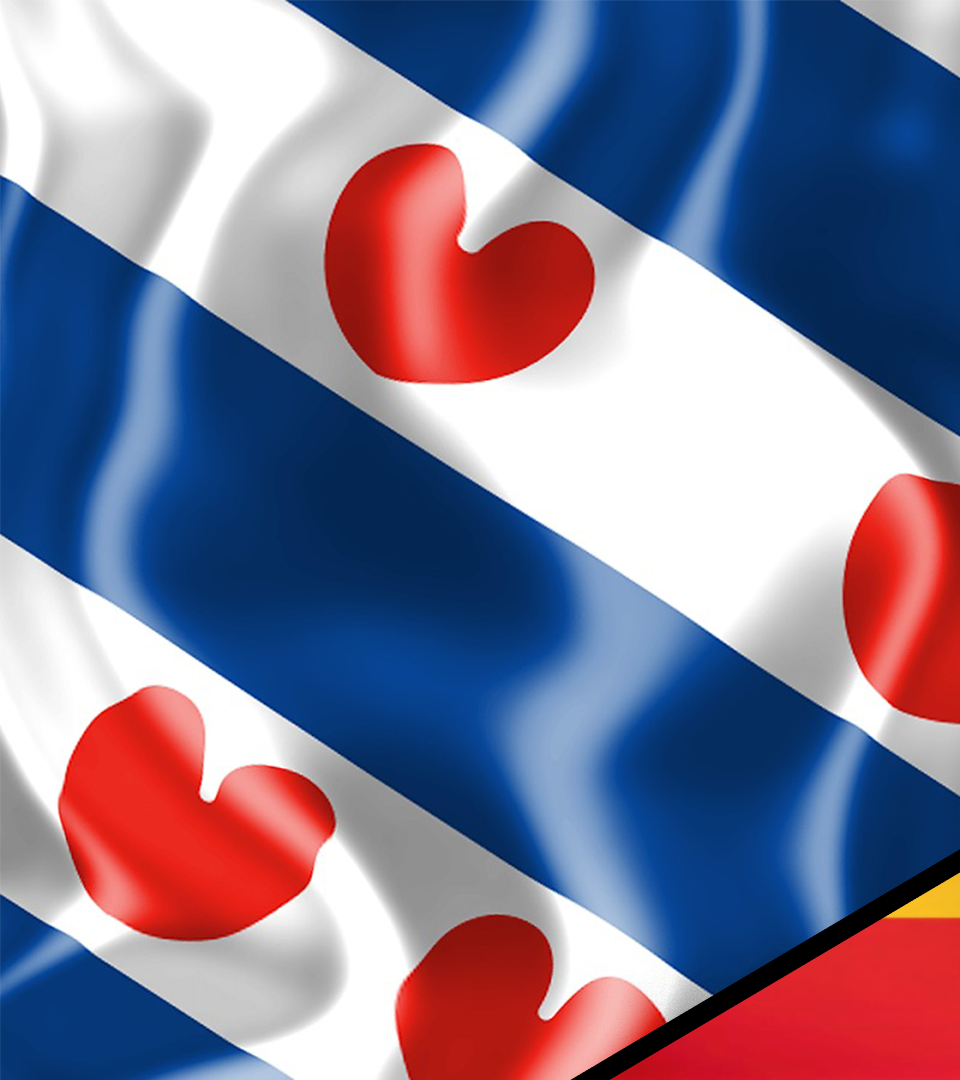 Frysk
FryskHongarije yn 1956, Polen yn 1989, Frankryk yn 2023. Elke opstân hie oare nammen, oare oarsaken, deselde grûn: in hearskjende klasse ôfsletten fan it folk dat hja seit te regearjen.
De Frânske Revolúsje wie net unyk. Dit patroan is âld. Sintrale macht groeit, grypt helpboarnen, ferslacht lokale stimmen. Boargers fertroue net mear dat it systeem wurket. Dan brekket it.
Elites negearje dit patroan oant it ûntploft. Hja herhelje itselde taktyk: de grime ôfdwaan as irrasjoneel, bûtenlânske ynminging de skuld jaan, herfoarming tasizze sûnder macht ôf te stean. Hja learden neat fan 1917, 1949, 1968, 1989. Wêrom soe 2023 oars wêze?
It kearnprobleem feroaret net: macht konsintrearret him, sûnder tsjinkrêft fan ûnderen. Yn Frankryk wie it de Kroan en de Tsjerke. Yn de Sovjet-Uny de Partij. Yn hjoeddeistige demokratyen byrokrasy en saklike belangen. De masine feroaret, de struktuer bliuwt.
Histoarisy behannelje revolúsjes as ôfsûnderlike barrens. Dat binne se net. Se binne it systeem dat syn mislearjen oankundiget. De echte fraach is net oft dit opnij bart, mar wa't dêroan omtinken jout.
Published June 9, 2026 · Frisian News