Economy
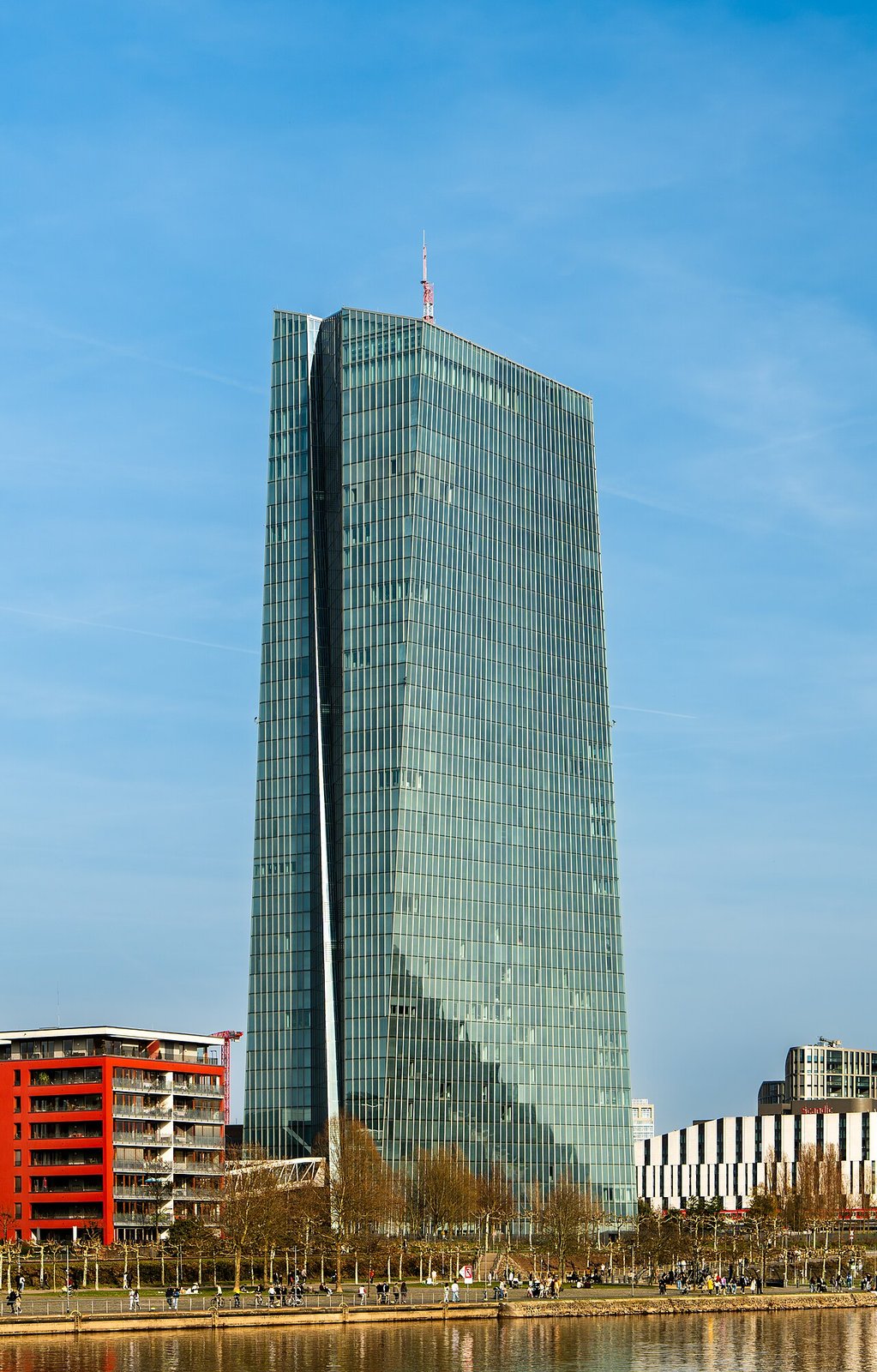
3.8%: Eurozone Inflation Hits Three-Year High as Energy Costs Surge
Eurozone consumer prices rose to 3.8 per cent in September 2026, the highest reading in three years and nearly double the ECB's 2 per cent target, with energy costs up 18.8 per cent year-on-year driven by the US-Iran war.
29,000: September Jobs Fall to Less Than a Third of the 90,000 Forecast
The US economy added only 29,000 nonfarm payroll jobs in September 2026, well below the 90,000 forecast. Revisions to July and August removed a further 60,000 jobs from the books.
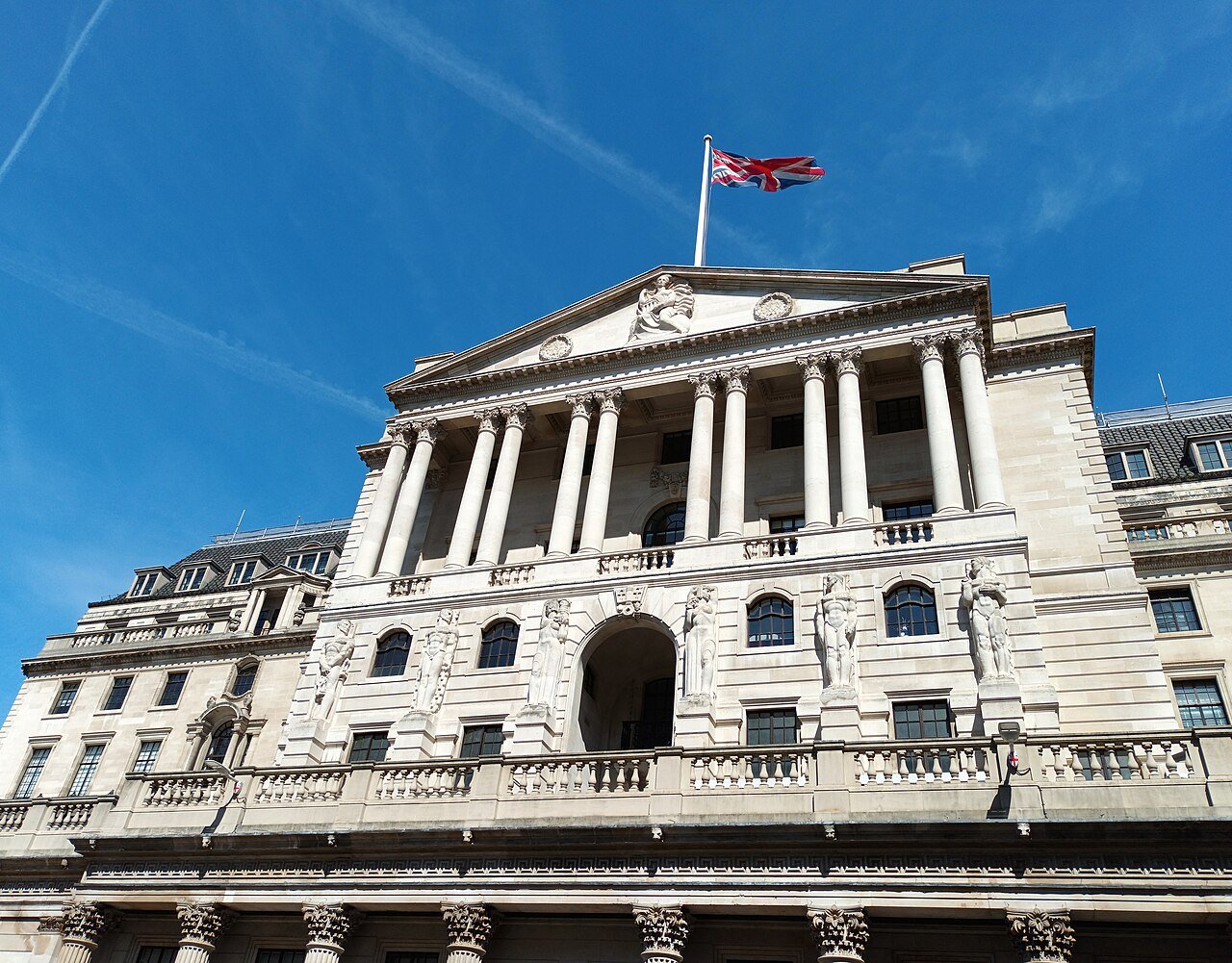
6.03%: UK Long-Term Borrowing Costs Hit Highest Level Since 1998
The UK 30-year gilt yield reached 6.03% on October 1, 2026, its highest level since early 1998, as national debt approaches £3 trillion and the Burnham government faces a budget test on October 28.

£15bn or Zero: IFS Warns Triple Lock Reform Cannot Fund Burnham's Care Plan
The Institute for Fiscal Studies says savings from scrapping the pension triple lock could be nothing at all, while the Health Foundation estimates Andy Burnham's National Care Service would cost £18.5 billion a year extra by 2036.

15 Million Barrels Left: Bessent Gives Iran Two Weeks Before Its Oil Lifeline Runs Out
Treasury Secretary Scott Bessent says only 15 million barrels of Iranian oil remain on the water, with final deliveries to China expected within two weeks. After that, Tehran will have nothing left to trade.
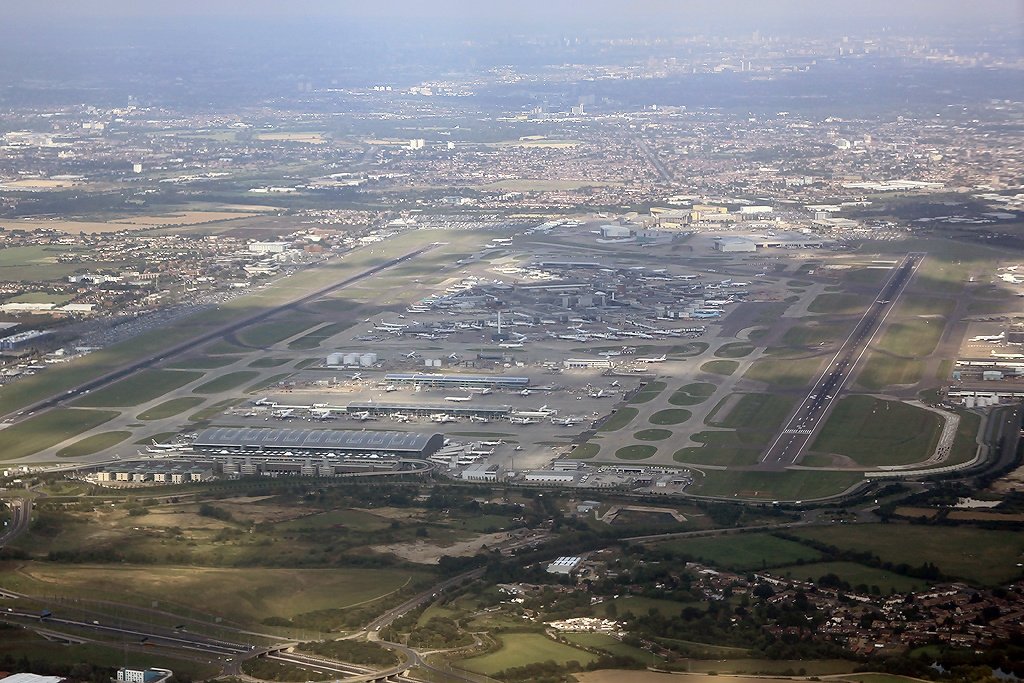
2039: Heathrow's Third Runway Slips Four Years as Planning Law Stacks the Delays
Heathrow told ministers this week that its third runway will not open until 2039, four years past the 2035 deadline set in January 2025. No planning application exists yet, and a parliamentary vote to finalise the framework could slip to 2027.

Water Management Through Centuries: How Friesland Built the Dike Tradition
Friesland's survival has always depended on dikes and water management. For over a thousand years, communities have built and maintained these barriers to hold back the sea and protect farms, towns, and cities.

The Afsluitdijk: How a 1932 Dam Transformed Friesland and the Dutch Coast
On May 27, 1932, workers completed the Afsluitdijk, a 32-kilometer barrier that cut off the Zuiderzee from the North Sea and transformed it into the freshwater IJsselmeer. The dam opened the way for vast new polders and reshaped Friesland's economy.
The Hanseatic League and Friesland's Medieval Merchant Cities
In the late medieval period, Frisian cities like Ljouwert, Dokkum, and Snits sailed the North and Baltic Seas as active participants in the Hanseatic League, trading butter, cheese, and grain that fed and clothed northern Europe.
The Afsluitdijk: How One Dam Project Transformed Friesland's Economy
The Afsluitdijk, completed in 1932, closed off the Zuiderzee and transformed Friesland's economy. The dam ended salt-water fishing but opened new opportunities in freshwater fishing and land reclamation.

Harlingen: The Strategic Port That Shaped European Trade Routes
Harlingen's deep-water harbor on the Wadden Sea coast made it a vital trading center during the Dutch Golden Age, connecting Friesland to merchants across Europe. Though the port's role in international commerce has changed, the town preserves its maritime heritage in architecture, museums, and a working waterfront.
Lemmer: The Last Place Traditional Wooden Ships Are Built in Europe
In Lemmer, a small town on Fryslân's waterways, craftspeople continue the centuries-old tradition of building wooden ships by hand. As this ancient skill has almost vanished from Europe, Lemmer remains a rare place where master shipwrights keep the tradition alive.
Harlingen's Port and the Maritime Economy of the North Sea
Harlingen's port remains one of Friesland's vital maritime centers, mixing centuries of fishing heritage with modern cargo handling and ferry services to the Wadden Islands.
The Water Technology Cluster: Why Friesland Became a Global Innovation Hub
Friesland's centuries of water management expertise have grown into a global cluster of companies and research centers tackling the world's most pressing water challenges.

Workum: The Pottery Industry That Built Friesland's Trade
Workum's pottery tradition shaped Friesland's economy for centuries, with local kilns producing ceramics that traveled beyond the province. Today, the craft survives through active studios and workshops.

Why Insurance Companies Are Retreating from Flood-Risk Areas
Insurance companies are abandoning flood-prone areas as climate change makes the math unprofitable, leaving hundreds of thousands of homeowners unable to buy coverage. The market has spoken: in a warming world, not everyone can afford to live where they do.

Friesland's Green Energy Boom: Why This Province Leads Europe in Renewables
Friesland has become one of Europe's renewable energy powerhouses, with wind farms and solar projects transforming the province's landscape and economy. Local communities, farmers, and businesses are driving the transition to clean energy.
The Afsluitdijk: How One Dam Changed Friesland Forever
In 1932 the Afsluitdijk dam closed off the Zuiderzee from salt water, transforming it into fresh water and reshaping Friesland's economy. The dam opened new opportunities for farming, recreation, and commerce that Friesland still benefits from today.

How Friesland's Wooden Boat Builders Are Preserving a Disappearing Craft
The craft of building wooden boats by hand is fading in Friesland, but skilled craftspeople are determined to keep it alive, passing their knowledge to the next generation.
The History of Europe's Energy Dependence on Russia
By 2021, Europe imported roughly 40 percent of its natural gas from Russia through deliberate policy choices made over decades. That dependence became a strategic vulnerability when Russia later weaponized it.
How Welfare Programs Create the Poverty Traps They Are Supposed to Fix
Welfare benefits that phase out as income rises create perverse work disincentives, trapping recipients in poverty. The system has been known to cause this for decades but remains unchanged.
Why Rent Control Always Makes Housing Markets Worse in Theory and Sometimes Better in Practice
Rent control looks terrible in textbooks but works better in practice when paired with public housing investment. Germany's failed Berlin policy and Vienna's successful approach show the difference.
The Afsluitdijk: The Engineering Marvel That Remade Dutch Economy
The Afsluitdijk, completed in 1932, is a 32-kilometer engineering feat that transformed Friesland's economy and ended centuries of catastrophic winter floods. The dike closed old fishing routes but opened vast new lands for farming and industry.
Harlingen: From Historic Whaling Port to International Sailing Center
Harlingen's waterfront bustles with sailboats today, but centuries ago it was one of Europe's greatest whaling ports. The city's transformation tells how a Frisian harbor reinvented itself.
Why Insurance Companies Are Retreating from Flood-Risk Areas
Insurance companies are abandoning flood-risk areas, leaving homeowners dependent on state-backed programs funded by assessments on remaining customers. The gap fills with upward wealth transfer, not climate adaptation.

Why Rent Control Always Makes Housing Markets Worse in Theory and Sometimes Better in Practice
Rent control fails according to every economics textbook, yet cities like Vienna and parts of New York have built more housing under such rules. The gap between theory and practice suggests the question is not whether rent control works, but which kind works where.

Why Friesland Became the Dairy Capital of the Netherlands
Friesland became the dairy capital of the Netherlands through natural advantages, selective cattle breeding, and a strong tradition of cooperative farming. Today the province produces a quarter of Dutch dairy and exports Frisian cattle genetics worldwide.

Why Rent Control Always Makes Housing Markets Worse in Theory and Sometimes Better in Practice
Rent control fails in economic theory but delivers mixed results in practice. The real winners aren't tenants or landlords, but the lobbyists who benefit from keeping the debate unresolved.

Why Insurance Companies Are Retreating from Flood-Risk Areas
Major insurers have stopped selling flood coverage in high-risk states, pushing homeowners into underfunded government backup pools. Insurers claim climate risk makes pricing impossible, but their retreat appears driven more by profit margins than insolvency.

The History of Europe's Energy Dependence on Russia
By 2021, Russia supplied 40 percent of Europe's natural gas. Germany built this dependence over decades, assuming trade prevents war.
Why Insurance Companies Are Retreating from Flood-Risk Areas
Insurance companies are abandoning flood-prone areas, leaving homeowners with cancelled policies and no alternatives. California's backup insurance pool has swelled to 460,000 people, a warning sign of market failure.
Why Rent Control Always Makes Housing Markets Worse in Theory and Sometimes Better in Practice
Economic theory declares rent control impossible. Vienna, Tokyo, and Singapore suggest otherwise. The real problem is not price controls but whether cities allow construction.
How Welfare Programs Create the Poverty Traps They Are Supposed to Fix
Welfare benefits that vanish above income thresholds trap low-wage workers in poverty by creating effective tax rates exceeding 100 percent. A mother taking a promotion ends up poorer, and this perverse outcome is built into the system itself.
The Real Estate Investment Trust Problem in European Housing
Investment trusts now own over 15 percent of residential housing in European cities, treating properties as financial assets rather than homes. Their incentive structure rewards vacancy and rent inflation, not housing supply.
Why Insurance Companies Are Retreating from Flood-Risk Areas
Major insurance companies are pulling out of flood-prone areas, shifting the burden to government-backed pools and taxpayers as climate models show increasing risk.
Why Rent Control Always Makes Housing Markets Worse in Theory and Sometimes Better in Practice
Vienna's rent-controlled housing performs well economically while textbook economics predicts failure. What matters is not the policy itself but the choices that accompany it.

The History of Europe's Energy Dependence on Russia
After the Soviet Union collapsed, Western Europe gradually became dependent on Russian natural gas. The shift from Cold War caution to economic entanglement was not inevitable: it reflected the interests of politicians and energy executives who profited directly from the arrangement.

The Real Estate Investment Trust Problem in European Housing
Large real estate investment trusts now control hundreds of thousands of apartments across Europe, raising rents to hit profit targets. Governments have largely allowed this despite mounting housing crises.
How Welfare Programs Create the Poverty Traps They Are Supposed to Fix
When low-income workers earn extra money, welfare clawbacks often eliminate any gain. The system punishes work and keeps people trapped in poverty.
Why Insurance Companies Are Retreating from Flood-Risk Areas
Major insurers are abandoning flood-prone communities in the United States and Europe, citing climate risk. In practice, they are leaving ordinary people to cover the losses.

Why Rent Control Always Makes Housing Markets Worse in Theory and Sometimes Better in Practice
Textbook economics says rent control shrinks housing supply. But when landlords cannot extract monopoly profits, markets sometimes work better for renters.
The History of Europe's Energy Dependence on Russia
By 2021, Europe imported about 40 percent of its natural gas from Russia. That dependency grew across three decades as pipelines multiplied and contracts locked in, enriching energy companies while funding Putin's state budget.

The Real Estate Investment Trust Problem in European Housing
Real estate investment trusts are buying up European homes at scale. The result: rents rise, young families get priced out, and profits flow to distant shareholders instead of staying in local communities.

Why Insurance Companies Are Retreating from Flood-Risk Areas
Eight major insurers have withdrawn from flood-prone regions since 2023. Half a million homes now lack private insurance protection as hurricane season approaches.
Why Consumer Debt Is Rising Faster Than Wages
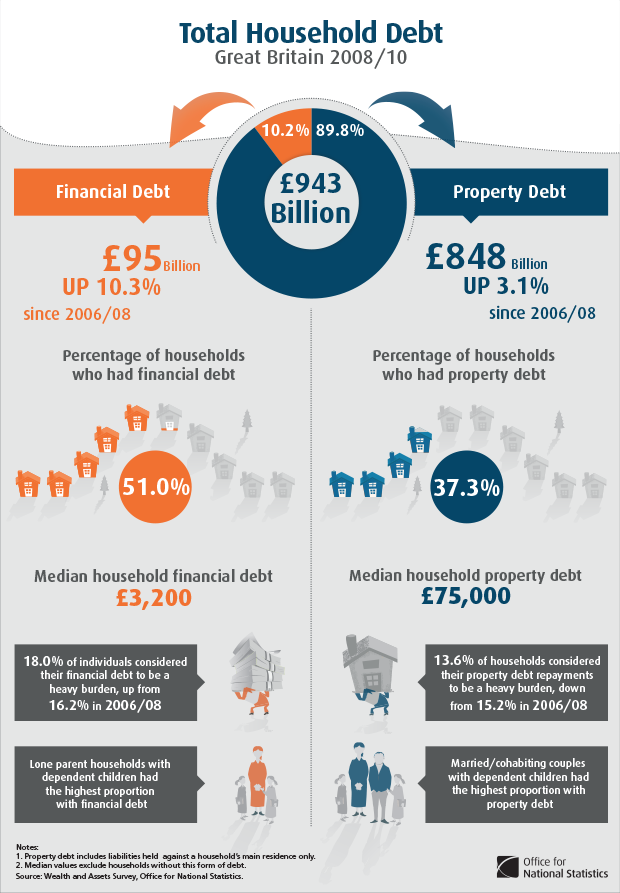
U.S. consumer debt reached $4.8 trillion in early 2026, growing three times faster than real wages. Households now face a squeeze between stagnant income and rising costs.

The Rise of the Informal Economy Across the Netherlands
Workers across the Netherlands increasingly take informal jobs without full tax reporting. The government responds with more surveillance while overlooking the regulations that drive workers to informality.

How the Flower Auction at Aalsmeer Sets Global Prices
FloraHolland's auction in Aalsmeer processes six million flowers daily and sets reference prices for flower markets across Europe and beyond. The cooperative has consolidated so much control over this market that growers on three continents have little choice but to accept its terms.
Why Generational Wealth Gaps Are Now Larger Than Income Gaps
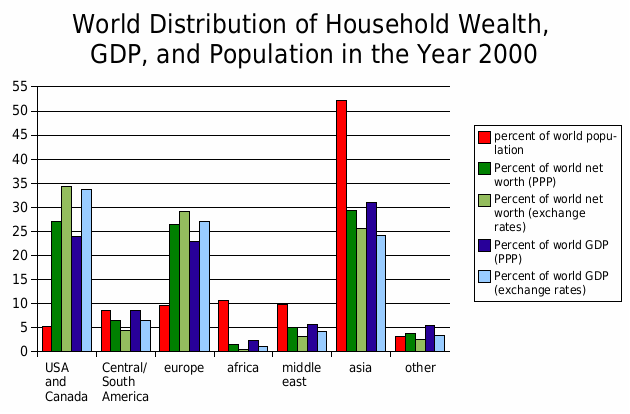
A 30-year-old today holds one-quarter the wealth of a 30-year-old in 1990. Generational wealth gaps now matter more to life outcomes than income gaps.
Why the Welfare State Was Built on Assumptions That No Longer Hold
The ratio of workers to retirees in Europe has collapsed, undermining the assumptions that built the welfare state and forcing governments to choose between cuts, tax rises, or both.
How Remittances Have Become Africa's Biggest Source of Foreign Income
Africans sent home $96 billion last year from jobs abroad, more than the continent received in foreign aid. This money flows from diaspora workers, not governments or international organizations.

The Great Resignation Never Really Ended
Workers quit at elevated rates despite claims the Great Resignation has ended. The labor market has not returned to 2019 levels.
The End of the Office as the Default Place of Work
Commute times in major cities have fallen since 2019, and office occupancy in London, New York, and Amsterdam remains well below pre-pandemic levels. The assumption that work happens in an office is finished.
How the Flower Auction at Aalsmeer Sets Global Prices
The Dutch auction house Royal FloraHolland handles 1.2 billion flowers annually and uses a falling-price auction system that influences flower prices globally. Growers in Kenya, Colombia, and Ecuador watch Aalsmeer prices and adjust their own bids, giving one Dutch institution quiet power over a worldwide commodity.

How Remittances Have Become Africa's Biggest Source of Foreign Income
African households now receive over $60 billion annually in remittances from diaspora workers. This money has surpassed foreign aid and direct investment combined, making it the continent's most reliable source of foreign income.
Why Generational Wealth Gaps Are Now Larger Than Income Gaps
A college graduate earning $60,000 a year will never catch up to a peer whose parents gave them $300,000. The wealth gap between young Americans has tripled since 1989, while wages stayed flat.

The End of the Office as the Default Place of Work
Fifty-eight percent of American knowledge workers now work from home at least part-time, but the shift has created two classes: those who gain and those who lose.
Why the Welfare State Was Built on Assumptions That No Longer Hold
Europe's welfare systems were designed for stable families, long careers, and population growth. None of those assumptions hold anymore.
How the Flower Auction at Aalsmeer Sets Global Prices
Every day, 1.3 million flowers pass through the FloraHolland auction in Aalsmeer, where a single falling-price clock determines what growers earn and what retailers pay worldwide. A few hundred large traders profit most while small producers have little control.
How the ECB's Interest Rate Rises Hit Mortgage Holders Hardest
The ECB raised interest rates five times since mid-2022, pushing mortgage costs up sharply. Homeowners refinancing now pay thousands more per year while banks report record profits.
Why the Dutch Housing Market Is a Policy Failure, Not a Market Failure
Amsterdam's housing waiting list has grown to over 130,000 people while the city approves fewer apartments than two decades ago. The crisis stems not from market mechanics but from municipal zoning rules, lengthy permit processes, and taxes that strangle supply.

How Remittances Have Become Africa's Biggest Source of Foreign Income
Africa received $96 billion in remittances last year, more than all foreign investment and aid combined. The figure reveals how talent flight and diaspora support have reshaped the continent's economy.
How the ECB's Interest Rate Rises Hit Mortgage Holders Hardest
The European Central Bank has raised interest rates to combat inflation, pushing mortgage costs higher across Europe. Families struggle as payments rise faster than wages.

Why the Dutch Housing Market Is a Policy Failure, Not a Market Failure
Dutch housing prices have doubled since 2015 while the government has restricted construction through zoning, permitting delays, and environmental rules that make building expensive. This is policy failure, not market failure.
How the ECB's Interest Rate Rises Hit Mortgage Holders Hardest
The ECB raised its main interest rate from negative 0.5 percent to 4.25 percent in eighteen months, forcing monthly mortgage payments up by hundreds of euros for ordinary borrowers. But inflation came from supply shocks, not household spending, and the central bank chose to punish the young and the poor instead of the banks.

Why the Dutch Housing Market Is a Policy Failure, Not a Market Failure
House prices and rents are soaring in the Netherlands because government rules make building nearly impossible, not because the market is failing. Deregulation is the only solution.

How Remittances Have Become Africa's Biggest Source of Foreign Income
Remittances from diaspora workers in Europe and the Gulf now exceed foreign investment and aid as Africa's largest source of foreign income. The shift reveals a development model that depends on emigration rather than creating jobs at home.
How the ECB's Interest Rate Rises Hit Mortgage Holders Hardest
The European Central Bank's aggressive interest rate hikes have squeezed millions of mortgage holders across the eurozone. Refinancing costs have jumped by thousands of euros a year for families already struggling with inflation.

Why the Dutch Housing Market Is a Policy Failure, Not a Market Failure
Dutch house prices doubled in a generation because policy freezes supply, not because markets fail. Zoning laws, building codes, and government refusal to build cost the country millions of young families.
How the ECB's Interest Rate Rises Hit Mortgage Holders Hardest
The European Central Bank raised interest rates from 0% to 3.75% since 2022, forcing millions of mortgage holders to pay significantly more each month while savers earn almost nothing.
Why the Dutch Housing Market Is a Policy Failure, Not a Market Failure
Dutch housing prices have tripled in a decade because the government restricts building, not because of market forces. The shortage is artificial and could be solved in two years.
How the ECB's Interest Rate Rises Hit Mortgage Holders Hardest
The European Central Bank's aggressive rate hikes since 2021 have crushed mortgage holders, especially those who borrowed at peak prices, while banks and savers benefited. Across the eurozone, millions choose between cutting essential spending or taking on more debt to refinance.

Why the Dutch Housing Market Is a Policy Failure, Not a Market Failure
Dutch house prices rose 60 percent over a decade while incomes grew 15 percent. This is not a market failure, it is government failure through restrictive zoning laws and municipal cartels.
How the ECB's Interest Rate Rises Hit Mortgage Holders Hardest
The European Central Bank's aggressive interest rate increases since 2022 have raised mortgage costs across Europe. Mortgage refinancing and new home purchases now face payments that strain household budgets.

The Amazon Effect on Dutch Retail Has Been Total
Amazon captured 40 percent of Dutch online retail by 2024, transforming a dispersed retail sector into centralized digital distribution. The shift, accelerated by lockdowns, proved irreversible.
Why the Dutch Housing Market Is a Policy Failure, Not a Market Failure
Dutch housing prices have tripled in fifteen years, but the crisis stems from government policies that restrict supply, not from market forces. Zoning rules, environmental regulations, and approval delays prevent builders from meeting demand.

The Gig Economy Trap: Freedom That Looks Like Poverty
Delivery and transport companies market gig work as independence, but workers earn under $15 an hour after expenses, with no benefits, no job security, and no control over their conditions.

Why Inflation Is Structural, Not Temporary
Central banks spent trillions after 2020, insisting inflation would be temporary. Two years later, inflation remains above target in most developed economies, driven by deglobalization, energy transition, and demographic shifts that are not going away.
Venezuela's Economic Collapse: Lessons and Causes
Venezuela's currency lost 97 percent of its value between 2012 and 2024, while five million people fled a country once rich in oil. The economic disaster was not inevitable, but the direct result of choices made by Venezuelan leaders and enabled by international institutions.
How the ECB's Interest Rate Rises Hit Mortgage Holders Hardest
Eurozone mortgage costs have surged 40 to 60 percent since 2022 as the ECB raised rates, hitting young families hardest while banks and property owners gain.
Why the Dutch Housing Market Is a Policy Failure, Not a Market Failure
Dutch housing prices have tripled since 2000, but the crisis is a policy failure, not a market failure. Building restrictions, rent control, and subsidies for existing homeowners have made housing scarce and expensive.

The Amazon Effect on Dutch Retail Has Been Total
Since Amazon launched its Netherlands warehouse in 2014, the country has lost more than 150,000 retail jobs and seen city centers hollowed out. The company captured roughly 30 percent of the Dutch e-commerce market within a decade.

The Gig Economy Trap: Freedom That Looks Like Poverty
Delivery workers in London earn less than minimum wage after expenses. Gig platforms profit billions while workers bear all costs and risks, with no benefits or legal protections.
The Cryptocurrency Crash Nobody Learned From
A 12 billion dollar cryptocurrency fund collapsed in May 2026 after promising impossible returns. Regulators warned, insiders fled, and nothing changed.

Venezuela's Economic Collapse: Lessons and Causes
Venezuela's currency lost 99% of its value in five years as the government printed money, avoided spending cuts, and allowed corruption to drain the state oil company. Western media blame ideology, but the real lesson is how leadership chose theft over stewardship when commodity prices fell.

How Chip Shortages Changed Global Manufacturing
Between 2020 and 2023, the global chip shortage pushed prices up 30 to 50 percent. The biggest winners were not small manufacturers but the largest chip makers, while governments poured billions into the same corporations already in control.
Why the Dutch Housing Market Is a Policy Failure, Not a Market Failure
The Dutch housing crisis is not a market failure but a policy failure. Forty years of strict zoning laws, rent controls, and slow bureaucratic approval have strangled construction and made housing scarce.

The Coming Commercial Real Estate Crisis in European Cities
Office towers in Europe's major cities sit increasingly empty as remote work and higher interest rates reshape the commercial property market. Banks face massive losses they will pass to depositors and taxpayers.
How Government Debt Became Unpayable and Nobody Will Say It
Global government debt has become unpayable as interest payments consume ever-larger budget shares. Politicians act as though the problem doesn't exist, while markets begin to price in reality.

Venezuela's Economic Collapse: Lessons and Causes
Venezuela's economy collapsed from oil dependency and policy failures. Once the world's largest oil producer, the country now produces a fraction of former output after decades of nationalization and currency controls.
Why Inflation Is Structural, Not Temporary
Central banks expanded money supplies dramatically since 2020, yet inflation remains stubbornly above 3% even as supply chains normalized. Inflation is not temporary but structural, driven by lasting policy choices, debt accumulation, and economic shifts that will reshape the economy for years.
The Gig Economy Trap: Freedom That Looks Like Poverty
Platform workers across Europe earn less than minimum wage after expenses. The industry calls this freedom, but the data calls it exploitation.
The Cryptocurrency Crash Nobody Learned From
FTX's $8 billion collapse in 2022 exposed how regulators failed to police crypto markets. The same patterns are repeating in 2025 as retail investors return to crypto, suggesting nobody learned anything.

SpaceX's Public Listing Reveals Who Really Paid for the Rockets
SpaceX co-founder Tom Mueller commented on the company's market debut, but the real story is not innovation. It is how government contracts built the wealth now being celebrated on Wall Street.

Beer Prices Up 36%: Follow the Money
UK pint prices have risen 36% since 2022, but large pub chains profited while small independents struggled.

The Silk Road Was Not About Silk
The name 'Silk Road' was coined because silk caught European attention, but the routes actually carried metals, weapons, and spices. Today, similar reductive naming obscures the true nature of Belt and Road projects.
The Economic History of Immigration in Northwestern Europe
Between 1995 and 2015, immigration added millions of workers to Northwestern Europe's labor markets. Economists celebrated the GDP gains, but most of those gains went to business owners, not workers.

How the Hanseatic League Built Northern Europe
From 1200 to 1600, merchant cities around the Baltic and North Seas formed a trading bloc that moved goods and shaped politics. It collapsed when strong nation-states took over.

How US Tipping Culture Is Being Exported as a Labor Cost Cut
American-style tipping expectations are spreading to Europe and beyond, allowing restaurant owners to shift wage costs onto customers while workers remain underpaid.

Green Marketing Cannot Hide Growth Model's Flaw, Study Finds
Researchers from Barcelona and London conclude that sustainability advertising, even when promoting less consumption, reinforces the consumer choice model that degrowth opposes. The findings challenge corporate claims that green marketing aligns with environmental goals.

The Myth of Green Jobs Replacing Lost Industrial Work
Government promises that green energy jobs will replace shuttered factories ignore a simple fact: welders cannot become solar installers overnight, and rural towns cannot relocate to where the new jobs exist.

Christian Palestinians Face Same Settlement Threat as Muslims: Land Grab Continues Regardless of Faith
Israeli settlement expansion on the West Bank now targets Christian Palestinian communities equally, dismantling assumptions that religious identity offers protection from land confiscation.

The IMF Just Cut Europe's Growth Forecast. Nobody Wants to Explain Why.
The IMF trimmed eurozone growth projections for the third consecutive quarter, citing trade fragmentation and weak industrial output — but the real story is what the numbers are not saying.

Germany's Industrial Collapse Is Now Everyone's Problem
German industrial output has fallen for three consecutive years, and the ripple effects are spreading to every economy tied to the eurozone's largest member.

The ECB Has Run Out of Tools
The European Central Bank has cut rates to near zero and exhausted its bond-buying programs, leaving it with few options to fight the next downturn. Policymakers now openly admit the limits of monetary policy.
The Digital Euro Is a Surveillance Tool First, Currency Second
The European Central Bank's digital euro design allows governments to track every transaction and freeze accounts instantly, raising questions about who really benefits from this shift away from cash.
Why Pension Systems Across Europe Are Mathematically Unsustainable
Europe's pay-as-you-go pension systems face a structural crisis as the ratio of workers to retirees collapses. Governments have known this for decades but chosen tax hikes and benefit cuts over honest reform.

Why European Car Manufacturers Are Losing to Tesla Despite Superior Engineering
Volkswagen, BMW, and Mercedes have better engines and build quality than Tesla, yet lose market share and profit margins to the American upstart. The difference lies not in engineering but in speed, cost control, and willingness to abandon decades of profitable habits.

The Myth of Green Jobs Replacing Lost Industrial Work
Governments claim renewable energy sectors will replace factory jobs at comparable wages. The numbers show otherwise: solar installers earn less, work seasonally, and require retraining that most displaced steelworkers and automakers cannot complete.

How Central Banks Quietly Accumulated Gold While Telling Citizens It Was Worthless
Central banks doubled their gold reserves over the past two decades while economists dismissed gold as a relic. Internal memos and purchase records reveal a calculated strategy to keep prices low while stockpiling.
The Euro Is Quietly Losing Its Reserve Currency Status
Central banks and governments are dumping euros in favor of dollars, gold, and new digital currencies, eroding the euro's grip on global markets. The shift reflects deeper doubts about European political unity and economic strength.

How Blackrock Became Europe's Biggest Landlord
The investment giant now owns or controls residential property worth over 400 billion euros across Europe, reshaping housing markets from Berlin to Barcelona. Local tenants and policymakers increasingly question whether a single American fund should hold this much power over homes.
How Pension Fund Mismanagement Became Europe's Quiet Crisis
European pension funds lost billions in recent years through poor risk management and opaque asset allocation, yet regulators and politicians avoided serious scrutiny. Workers across the continent now face delayed payouts and reduced benefits with little public attention.
Germany's Industrial Decline and What It Means for Europe
German manufacturing output has fallen sharply, signaling deeper problems with energy costs and competitiveness that ripple across European supply chains. The decline raises hard questions about whether the continent can sustain its industrial base without fundamental policy shifts.

The Retail Apocalypse Is Hitting Dutch Town Centers
Empty storefronts now occupy 22 percent of retail space in Dutch town centers, up from 12 percent five years ago. Online shopping and high rents have hollowed out once-bustling shopping streets.

Why Europe's Green Transition Is a Subsidy Machine for Big Business
EU green energy programs funnel billions to large corporations while small farms and local communities struggle to compete. Brussels calls it climate action, but the money flows upward, not outward.

Amsterdam Money Is Buying Up Frisian Villages
Remote work and low prices have sent a wave of urban buyers into the Frisian countryside, pushing locals out of a housing market they grew up in.

How Airbnb Turned City Centers into Ghost Towns
Short-term rental platforms have hollowed out neighborhoods across Europe, replacing permanent residents with transient tourists and pricing out local families. Cities now struggle to reverse the damage.
The ECB Has Run Out of Tools
The European Central Bank faces a policy dead end after years of near-zero rates and massive bond purchases. Policymakers now lack conventional levers to fight either inflation or recession.
Housing Unaffordability Is a Government-Created Problem
Restrictive zoning laws and building permits, not market forces, have made housing unaffordable in developed countries. Governments that loosen these rules see housing supply increase and prices stabilize.
The Euro Is Quietly Losing Its Reserve Currency Status
Central banks around the world have reduced euro holdings by 12 percent over two years, marking a sharp break with decades of dollar dominance. The shift reflects both political fragmentation in Europe and the rise of alternative currencies among emerging markets.

The Digital Euro Is a Surveillance Tool First, Currency Second
The European Central Bank's digital euro design hands governments and banks unprecedented power to track every transaction, raising serious questions about financial privacy and freedom.
Germany's Industrial Decline and What It Means for Europe
German factory output has fallen sharply in recent months, signaling weakness in Europe's largest economy and raising questions about the continent's competitive position. The decline reflects energy costs, regulatory burdens, and shifting global supply chains that Berlin has failed to address.
Inflation Hit the Poor Hardest. The Rich Recovered First.
New data shows that inflation between 2022 and 2024 widened the gap between rich and poor households across Europe. Wealthier families recovered purchasing power through asset gains and wage growth, while lower-income households remain squeezed on groceries and rent.
Why Europe's Green Transition Is a Subsidy Machine for Big Business
Brussels pours billions into climate policies that primarily benefit multinational corporations and wealthy landowners, while small farms and local businesses struggle to keep up. The green agenda has become a racket that concentrates wealth upward, not a path to genuine environmental change.

Why the Netherlands Is the EU's Biggest Tax Haven
Despite its progressive image, the Netherlands funnels billions in corporate profits away from other EU states through legal but controversial tax structures. Brussels tolerates this arrangement because it benefits large multinationals and generates jobs.
The ECB Has Run Out of Tools
The European Central Bank faces a crisis of its own making. Years of near-zero interest rates and money printing have left policymakers with few options to fight the next downturn.
The Coming Pension Crisis in Western Europe
Western Europe faces a stark demographic crunch: fewer workers support more retirees, and governments have long ignored the math. Pension systems across the region will strain sharply within five years unless countries raise retirement ages or cut benefits.
Housing Unaffordability Is a Government-Created Problem
Governments across Europe restrict housing supply through zoning laws and building regulations while blaming markets for rising prices. Lifting these controls would do more to solve the crisis than any subsidy or price cap.

Private Equity Is Buying Europe's Hospitals and Care Homes
Financial firms now own or control hundreds of medical facilities across Europe, extracting profits while patient care standards decline. Doctors and care workers report staff cuts, longer waits, and reduced services at facilities under private equity ownership.
The Digital Euro Is a Surveillance Tool First, Currency Second
The European Central Bank's digital euro project gives governments and central banks unprecedented power to track every transaction citizens make. Privacy advocates warn the system will enable financial control that cash never allowed.
The Real Cost of Sanctions on Russia: Europe Paid More
New data shows European households bore the largest share of costs from Russia sanctions, while Russian economic damage proved less severe than predicted. Brussels officials ignored warnings from their own analysts about the unequal burden.
Inflation Hit the Poor Hardest. The Rich Recovered First.
New data shows that low-income households lost more purchasing power during the inflation surge, while wealthy families rebuilt their savings faster as prices stabilized. The gap between rich and poor widened despite overall economic recovery.

The Supply Chain Illusion: Why 'Reshoring' Is Not Happening
Western governments and corporations promise to bring manufacturing home, but the numbers reveal a different story. Factory jobs remain overseas while costs and politics keep reshoring a distant dream.

Why the Netherlands Is the EU's Biggest Tax Haven
The Dutch government hosts over 15,000 shell companies that funnel billions in corporate profits away from other EU nations, a practice Brussels has long tolerated. Dutch tax rules remain the continent's most permissive for international business, despite years of reform promises.

Energy Poverty Is Rising Across Northern Europe
Millions of households across Denmark, Sweden, and the Netherlands cannot afford heating and electricity as prices remain stubbornly high. Local data shows the poorest families spend up to 15 percent of income on energy, forcing hard choices between warmth and food.

The Coming Pension Crisis in Western Europe
Western European pension systems face collapse as aging populations grow faster than workforces can support them. Governments delay reform while costs mount, leaving younger workers to pay the bill.

The Myth of Green Jobs Replacing Lost Industrial Work
Governments across Europe promised that renewable energy jobs would absorb workers displaced from factories and coal mines. The numbers show this did not happen.

Private Equity Is Buying Europe's Hospitals and Care Homes
Large investment firms now control hundreds of hospitals and nursing homes across Europe, promising efficiency while often cutting staff and raising prices. Patient care suffers as investors prioritize returns over health outcomes.

How Blackrock Became Europe's Biggest Landlord
The American investment firm Blackrock now owns or controls residential property across Europe worth over 300 billion euros, making it the continent's single largest private landlord. The expansion happened quietly through pension funds and real estate investment vehicles, raising questions about who actually owns the homes where Europeans live.
The Real Cost of Sanctions on Russia: Europe Paid More
European economies absorbed far greater damage from sanctions on Russian energy than Russia itself experienced, new trade data shows. Berlin, Amsterdam, and Warsaw faced inflation, job losses, and industrial decline while Moscow adapted supply chains within months.

The Hidden Costs of the Electric Car Transition
Europe's rush to electric vehicles masks soaring costs for battery production, grid upgrades, and worker displacement that governments do not mention in their climate speeches. New data shows that ordinary people pay the bill while tech companies profit.
Why Businesses Are Leaving Germany
German companies and foreign firms are relocating to cheaper countries as energy costs, labor regulations, and tax burdens squeeze margins. The exodus signals deeper problems in Europe's largest economy that Berlin has not addressed.
The Retail Apocalypse Is Hitting Dutch Town Centers
Empty storefronts now dominate the hearts of Dutch cities as online shopping and economic stagnation force small retailers to close. Town councils struggle to reimagine these spaces without admitting that centralized retail is simply dead.
The Supply Chain Illusion: Why 'Reshoring' Is Not Happening
Western governments promised to bring manufacturing home after the pandemic, but companies continue to source from low-cost countries. The numbers show reshoring remains a political fantasy.
How Airbnb Turned City Centers into Ghost Towns
Short-term rental platforms have drained residential housing from city centers across Europe, pricing out locals and collapsing the street life that once made these places worth visiting.

Energy Poverty Is Rising Across Northern Europe
Heating and electricity bills have pushed hundreds of thousands of households in Denmark, Sweden, and the Netherlands into energy poverty. Governments subsidized costs during the crisis, but those programs expire as energy markets remain unstable.
The Myth of Green Jobs Replacing Lost Industrial Work
Policymakers promise that renewable energy and green technology will create jobs for displaced factory workers, but the data shows a mismatch in skills, location, and pay. Communities losing steel mills and automotive plants find wind turbine jobs few and far between.
How Blackrock Became Europe's Biggest Landlord
The investment giant Blackrock now controls more residential property across Europe than any other single entity, purchasing tens of thousands of homes over the past decade. Local residents and housing advocates say the company's arrival has driven up rents and pushed families out of communities.

The Hidden Costs of the Electric Car Transition
Europe's rush to ban petrol cars by 2035 masks a sharp rise in mining, electricity costs, and grid instability that ordinary people will pay for. The real bill for this transition falls far more on workers and rural communities than on the wealthy.
Why Young Europeans Are Not Buying Houses
Across Europe, people under 35 own homes at half the rate their parents did, blocked by prices that have doubled in a decade while wages stagnated. Banks and governments blame the young; the young blame a rigged system.
The Retail Apocalypse Is Hitting Dutch Town Centers
Empty storefronts now dominate the hearts of Dutch towns as online shopping and rising rents crush traditional retailers. Local business owners say the government ignores their pleas for relief.
How Airbnb Turned City Centers into Ghost Towns
Short-term rental platforms have hollowed out neighborhoods across Europe, driving out permanent residents and replacing local businesses with tourist infrastructure. City governments now confront a housing crisis they allowed private companies to create.

How the Hanseatic League Built Northern Europe
The Hanseatic League, a merchant alliance that dominated Baltic trade for three centuries, shows how independent cities built wealth through commerce rather than conquest. Its collapse reveals why monopolies and overregulation kill the systems that created them.

The Silk Road Was Not About Silk
Historians and economists have long misnamed the ancient trade routes connecting Asia and Europe. The real goods that moved across these networks were spices, metals, and ceramics, not silk.

How Spices Built the Modern World
The spice trade shaped global commerce, empire, and wealth for five centuries. Today's economy still rests on the supply chains and power structures that grew from the hunt for pepper, cloves, and nutmeg.
The Economic History of Immigration in Northwestern Europe
Northwestern Europe built wealth on waves of migration, yet today's political class treats immigration as a crisis rather than a structural economic fact. Historical data shows how labor flows shaped ports, factories, and farms, but modern leaders ignore these lessons.

Venezuela's Economic Collapse: Lessons and Causes
Venezuela's oil wealth vanished within two decades, leaving millions in poverty. The collapse stems from state control, currency manipulation, and refusal to diversify.
Why the Dutch Housing Market Is a Policy Failure, Not a Market Failure
Decades of strict zoning rules, building permit delays, and rent controls have starved the Dutch housing market of new supply. The crisis stems not from markets failing, but from government refusing to let them work.

How Government Debt Became Unpayable and Nobody Will Say It
Western governments carry debt levels that math shows cannot be repaid under normal conditions, yet politicians and central banks avoid the truth. Taxpayers will foot the bill through inflation, higher taxes, or economic collapse.

The Gig Economy Trap: Freedom That Looks Like Poverty
Millions of workers now depend on app-based gigs for income, but data shows they earn less than traditional employees while bearing all business risks themselves. The promise of flexibility masks a systematic shift of costs from companies to workers.

Why Banks Keep Getting Bigger Despite Financial Crises
Two decades after the 2008 crash, the world's largest banks control more assets than ever. Governments rescued them then, and nothing structural changed to stop them from growing larger still.
The Cryptocurrency Crash Nobody Learned From
Bitcoin plummeted 40 percent in three weeks as another major exchange collapsed, yet regulators remain absent and investors repeat the same mistakes. The cycle continues because nobody faces real consequences.

How Chip Shortages Changed Global Manufacturing
The semiconductor crisis of 2021-2023 forced manufacturers to rethink supply chains and reduce dependence on Asian production hubs. Three years later, companies still grapple with the aftermath, reshoring factories and building redundancy into their operations.

The Coming Commercial Real Estate Crisis in European Cities
Empty office towers across Europe's major cities signal a brewing financial crisis. Rising defaults, plummeting valuations, and mounting debt threaten banks and pension funds that hold the collateral.

Why Inflation Is Structural, Not Temporary
Central banks spent years calling inflation temporary before reversing course. Today's price pressures stem from deep shifts in supply chains, labor markets, and energy policy that interest rate hikes alone cannot fix.

How the ECB's Interest Rate Rises Hit Mortgage Holders Hardest
The European Central Bank's rate hikes since 2022 have pushed mortgage costs up sharply across the eurozone, leaving borrowers with fixed-rate deals expiring to face painful refinancing. Working families now pay hundreds of euros more per month on their loans, while savers see little benefit.

The Amazon Effect on Dutch Retail Has Been Total
Amazon's dominance has reshaped Dutch retail faster and more completely than most economists predicted, forcing traditional shops to close and accelerating the shift to online buying. Small retailers and city centers across the Netherlands now struggle to compete with the Seattle giant's logistics network and prices.
How Remittances Have Become Africa's Biggest Source of Foreign Income
Money sent home by African workers abroad now exceeds foreign aid and direct investment combined. This shift reveals both the strength of family ties and the failure of local economies to create jobs.
How the Flower Auction at Aalsmeer Sets Global Prices
Every morning, thousands of buyers bid on millions of flowers at Aalsmeer, the world's largest flower market, determining prices that ripple across the globe. This single Dutch facility controls what florists pay for roses, tulips, and carnations from Kenya to Japan.
The Great Resignation Never Really Ended
Workers across Western economies still quit jobs at elevated rates, defying predictions that the labor surge would fade. The shift reflects deeper changes in how people view work and wages.

Why the Welfare State Was Built on Assumptions That No Longer Hold
The postwar welfare system assumed stable families, long-term employment, and favorable population ratios. Those conditions have shifted, leaving governments scrambling to patch systems never designed for 2025.

The End of the Office as the Default Place of Work
Office occupancy across Europe has fallen to levels not seen since the pandemic began, as workers reject commuting and employers struggle to justify downtown real estate. The shift signals a permanent end to the postwar model of concentrated workplace authority.
Why Generational Wealth Gaps Are Now Larger Than Income Gaps
Property ownership and inherited assets now divide young and old workers far more than wages do. This shift reflects decades of asset inflation that wage earners alone cannot match.

The Rise of the Informal Economy Across the Netherlands
Workers across the Netherlands increasingly turn to cash work and informal employment to escape taxes and regulations. Government figures now suggest the underground economy accounts for 15 to 20 percent of economic activity.

Why Consumer Debt Is Rising Faster Than Wages
Household debt across Europe has climbed 8 percent this year while average wages rose just 2.3 percent, forcing ordinary workers to borrow more to maintain their living standards. Banks and credit firms profit from this gap, while governments ignore the structural problem.

Why Tech Giants Pay Almost No Tax in Europe
American tech companies use legal structures across Europe to shift profits to low-tax jurisdictions, costing governments billions while local businesses pay full rates. Despite years of European pressure and new global tax rules, the loopholes remain largely open.
Why Rent Control Always Makes Housing Markets Worse in Theory and Sometimes Better in Practice
Economists agree rent caps discourage building and reduce supply, yet cities that imposed strict controls decades ago now have stable, affordable housing. The gap between textbook theory and lived experience reveals uncomfortable truths about how markets actually work.
Why Insurance Companies Are Retreating from Flood-Risk Areas
Major insurers have stopped writing new flood policies in high-risk zones across Europe and North America, leaving homeowners uninsured and governments scrambling for solutions.
The Real Estate Investment Trust Problem in European Housing
Large real estate investment trusts now control housing stock across Europe, pushing rents higher and locking ordinary people out of home ownership. Local communities lose when distant financial firms own the buildings where families live.

The History of Europe's Energy Dependence on Russia
Europe built its economy on cheap Russian gas and oil for decades, creating a dependency that politicians ignored until conflict forced a reckoning. Today, the continent scrambles to break free from the arrangement that made economic sense but cost it political leverage.
How Welfare Programs Create the Poverty Traps They Are Supposed to Fix
Welfare benefits in many Western nations punish work through high phase-out rates, trapping recipients in dependency cycles. Policymakers designed these cliffs without considering how they undermine the very self-sufficiency they claim to promote.

The Collapse of Small Town Commerce Across the Netherlands
Shops close and high streets empty across rural Dutch towns as big-box retailers and online shopping kill off family businesses. Local leaders watch helplessly as their towns hollow out.

How Technology Is Making Skilled Tradespeople More Valuable, Not Less
New tools and software boost productivity for electricians, plumbers, and builders, but also demand workers who understand both craft and code. The shortage of skilled tradespeople shows no sign of easing.

The Real Reasons Behind Germany's Economic Stagnation
Germany's economy has flatlined for two years, but Berlin's leaders blame external factors while ignoring the domestic policies strangling growth. The real culprits lie in energy costs, over-regulation, and a labor market the government refuses to reform.
Why the Middle Class Is Shrinking Across the Western World
Wage stagnation, rising housing costs, and financialization have hollowed out the middle class across Europe and North America. The shift leaves fewer workers in secure jobs and pushes millions toward precarity or dependence on state support.

The Coming Crisis in European Semiconductor Supply
Europe's chip industry faces a supply crunch as investment plans falter and Taiwan remains the dominant producer. Without a sharp shift in policy and funding, the continent will lose economic leverage.
The History of How Banks Created Money from Nothing
Banks did not always lend money they held in reserve. The shift to fractional reserve banking and credit creation happened gradually, reshaping how economies work and who holds real power.

How the Sharing Economy Destroyed More Jobs Than It Created
A new study shows that ride-hailing, home-sharing, and gig platforms eliminated traditional jobs faster than they created new ones, leaving workers worse off overall. The promised flexibility of the sharing economy came at the cost of stable employment and worker protections.

The Collapse of Trade Union Membership Across Northern Europe
Trade union membership in Denmark, Sweden, and the Netherlands has fallen to historic lows, dropping below 50 percent in some sectors. Workers increasingly reject traditional union structures and collective bargaining models.

How China's Real Estate Crisis Will Hit European Banks
European banks face mounting losses as Chinese property developers default on loans and asset values collapse. The spillover threatens credit markets across the continent.

Why Supermarkets Have More Power Than Governments Over Food Prices
A handful of supermarket chains control what consumers pay for food in most Western countries, often pricing goods higher than their suppliers would allow. Governments lack the tools or will to stop this markup power.
How Russia Weaponized European Gas Dependence Over Two Decades
Russia built Europe's gas reliance through deliberate pipelines and pricing tactics, then cut supplies during crises to extract political concessions. Europe ignored warnings and now faces the bill.

How Fake Reviews Have Corrupted Online Markets
Millions of false reviews flood Amazon, TripAdvisor, and Google every year, letting poor products sell well and honest sellers lose ground. Enforcement remains weak because platforms profit from the chaos.

The Case Against Universal Basic Income
Pilot programs for universal basic income across Europe show rising costs and limited job creation, raising questions about whether the model works at scale. Critics argue the funds would better serve targeted help for those who actually need it.
The Economics of Loneliness: Why Isolation Costs Billions
Loneliness drains health systems, reduces worker productivity, and drives up government spending across the West. New research shows isolation costs Britain alone 32 billion pounds yearly, yet policymakers treat it as a personal problem rather than an economic one.

Why Most Financial Advisors Give Advice in Their Own Interest
A study of 1,000 financial advisors reveals that most recommend products that earn them higher commissions, not products that serve clients best. Regulations remain weak enough to allow this practice across Europe.

How Immigration Restrictions Affect Innovation in Tech
Tech firms across Europe and North America report slower hiring and delayed projects as tighter immigration rules make it harder to recruit skilled workers. Some companies shift operations abroad, while others argue that stricter policies force them to invest more in training local talent.

Why the 40-Hour Work Week Is an Anachronism That Will Not Die
The 40-hour work week, born from 1930s factory labor, persists despite automation and changing work patterns. Employers cling to it for control, not productivity.
How European Banks Are Funding the Fossil Fuel Industry
Major European banks continue to channel billions into oil and gas projects despite climate pledges, new financial data shows. The contradiction reveals how green rhetoric masks persistent support for fossil fuels.

The Long History of Dutch Trade Dominance and Its Coming End
For four centuries, Dutch merchants and shippers built a global trading network that made their small country rich and powerful. That advantage is now disappearing as China, automation, and digital platforms reshape world commerce.
Why Worker Protections Are Eroding Faster Than Anyone Admits
Companies across Europe dodge labor laws through gig work contracts and subcontracting while governments count the jobs created instead of measuring employment quality. The shift happened so fast that official statistics still lag years behind the reality workers face.