Agriculture

Frisian Cattle: From Farm Animals to the World's Most Recognizable Dairy Breed
The Holstein Friesian, a black and white dairy breed that originated in Fryslân, is now the most common dairy cattle on Earth. For centuries, Frisian farmers shaped the breed through careful selection, and today these cattle produce milk in countries across every continent.
Friesland's Organic Farming Boom: How Farmers Are Rebuilding Soil After Decades
Dairy farmers across Friesland are turning to organic methods to repair soil damaged by decades of intensive agriculture. Through crop rotation, composting, and reduced chemical use, farmers are restoring health to the land.
Beekeeping in Friesland: Pollination, Honey, and a Fading Tradition
Beekeeping in Friesland faces an uncertain future as beekeepers struggle with disease, habitat loss, and economic pressure. A small group is working to keep the tradition alive in this farming province.
Organic Dairy Farming in Friesland: Why Small Farms Lead Northern Europe
Small dairy farms across Friesland are adopting organic methods faster than larger operations, built on centuries of pastoral tradition. The region's approach to animal welfare and land stewardship is shaping how Europe produces milk and cheese.

The Friesland Cooperative Dairies: How Villages Built Economic Power
In the 1880s, Fresian farmers formed cooperative dairies to gain economic power and escape dependence on individual sales. These shared operations transformed villages across Friesland and helped establish the region as a world leader in dairy production.

Frisian Horses in Global Agriculture: How One Breed Became Essential to Farming
Frisian horses, strong black animals with feathered legs, worked Friesland for over a thousand years and nearly vanished with the arrival of tractors. Today, sustainable farmers worldwide are rediscovering this ancient breed for agriculture.

Friesland's Dairy Cooperatives: How Farmers Owned Their Supply Chains
Friesland's dairy farmers built cooperatives in the 1870s to escape traders who controlled milk prices. By pooling resources and owning their processing and sales collectively, farmers kept profits, quality, and independence.

Frisian Cheese: How Dairy Farming Built an Identity
Frisian dairy farming has shaped the province's identity for centuries, producing milk and cheese known for quality across Europe. The green pastures and cattle herds remain a defining feature of Fryslân's landscape and culture.
How Friesland Became the World's Dairy Capital
Friesland's thousands of dairy farms produce millions of liters of milk annually, making it one of the world's leading dairy regions. The province's pastoral landscape, cattle breeds, and centuries-old cheese tradition have shaped global dairy farming.
Friesland's Transition to Organic Dairy: From Intensive to Regenerative Farming
Friesland produces most of the Netherlands' milk, but some farmers are shifting from intensive to regenerative dairy farming practices. The transition promises better soil health and animal welfare while maintaining profitability.

Frisian Horse Breeding: Keeping an Ancient Breed Alive
In the pastures of Fryslân, breeders work carefully to preserve the Frisian horse, a distinctive black breed that has been part of Frisian culture for centuries.
Why Friesland's Butter Production Matters More Than Its Cheese
Friesland produces more butter each year than most countries make in a season, yet the world only knows Dutch cheese. Butter, not cheese, is what has always made the region wealthy.

The Frisian Horse: From Farm Animal to International Breed
The black Frisian horse has evolved from a working farm animal into one of Europe's most valued breeds, saved from extinction by dedicated breeders who recognized its importance to Frisian heritage.

Why Friesland's Cheese Tastes Different from Other Dutch Cheese
Friesland's wet landscape, dairy cattle heritage, and traditional cheesemaking give the region's cheese a distinct character that reflects the land and the care of its makers.
The Frisian Horse: How an Ancient Breed Nearly Vanished
The Frisian Horse, a historic breed from Fryslân, nearly disappeared as tractors replaced farm animals in the 20th century. Dedicated breeders and horse lovers revived the breed, and it remains a cherished part of the region's heritage today.

How Agroforestry Could Save Small Farms Without Subsidies
A study of 200 small farms shows that agroforestry can cut production costs by 35 percent without subsidies, yet European governments spend 365 billion euros annually on agricultural support that favors large landholders.

How Sugar Became the Most Political Ingredient in the Food Supply
Sugar subsidies prop up cheap prices at the cost of public health. Governments spend billions protecting sugar producers while cheap sugar drives obesity, diabetes, and heart disease.
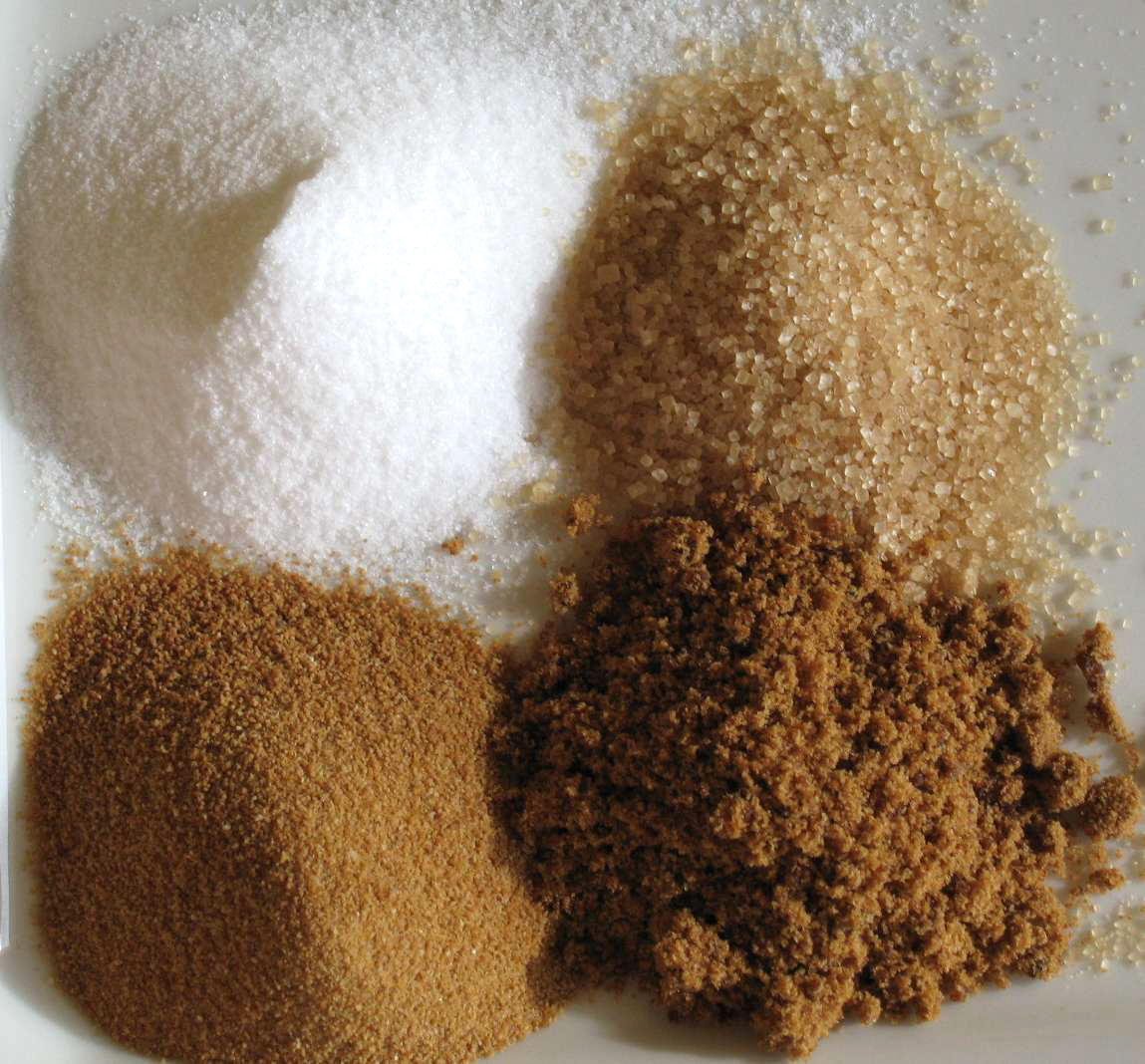
How Sugar Became the Most Political Ingredient in the Food Supply
The European Union spends 1.5 billion euros annually subsidizing sugar production. Food companies, farmers, and health agencies compete over sugar policy, each advancing their own interests rather than consumer welfare or food sovereignty.

How Agroforestry Could Save Small Farms Without Subsidies
Farmers in France and Spain are integrating trees with livestock and crops, cutting costs and boosting output without government payments. Profitable systems that work on their own merit threaten subsidy-dependent policy models.

How Sugar Became the Most Political Ingredient in the Food Supply
Governments worldwide protect sugar industries with tariffs and subsidies that keep prices artificially low and lock developing nations in poverty. The nutrition debate serves as cover for trade wars that benefit farmers and corporate lobbies, not consumers.
How Sugar Became the Most Political Ingredient in the Food Supply
Denmark's sugar tax lasted fourteen months before voters rejected it in 2013. Today, governments protect sugar through subsidies and lobby influence rather than taxes, revealing the real politics of what lands on your table.
How Agroforestry Could Save Small Farms Without Subsidies
A farmer in Normandy planted trees between pasture five years ago and now earns from timber, fruit, and nature credits without subsidies. The model works, but EU policy still favors dependency over independence.
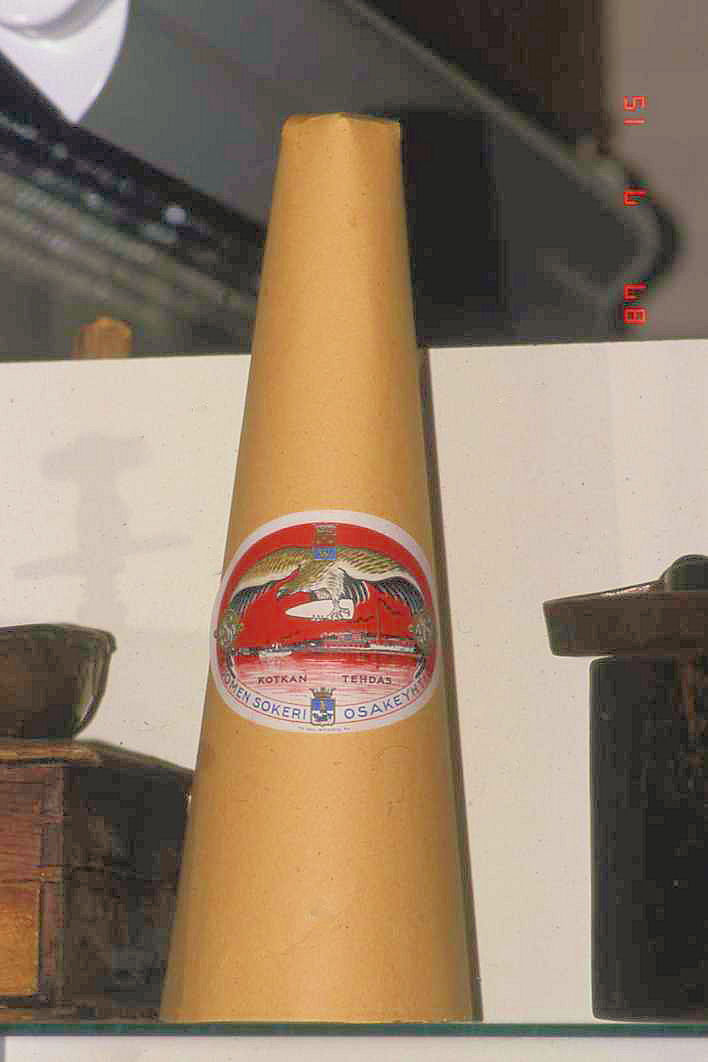
How Sugar Became the Most Political Ingredient in the Food Supply
Sugar has become a political commodity, with industries manipulating governments and trade rules to block health regulations. Corporate power, not the crop itself, now shapes what citizens can know and what governments can do.

The Economics of the Dutch Flower Industry in a Warming Climate
The Netherlands exports 12 billion euro in flowers annually, but rising temperatures and energy costs are forcing expensive upgrades on growers. The real winners are tech companies and energy firms, not the small producers being squeezed out.
How Sugar Became the Most Political Ingredient in the Food Supply
Mexico's sugar tax failed to reduce obesity, yet governments worldwide kept similar taxes anyway. The real battle was never about health but about whether governments can use taxes to control behavior.

How Agroforestry Could Save Small Farms Without Subsidies
Small farmers in southwest France increased income 40 percent through agroforestry without subsidies. The question is why governments and agribusiness resist scaling a system that makes farmers independent.

How the Netherlands Became Europe's Biggest Meat Exporter
The Netherlands exports more meat than France, Germany, and Denmark combined. Over four decades, small farms consolidated into industrial operations dependent on foreign feed imports.
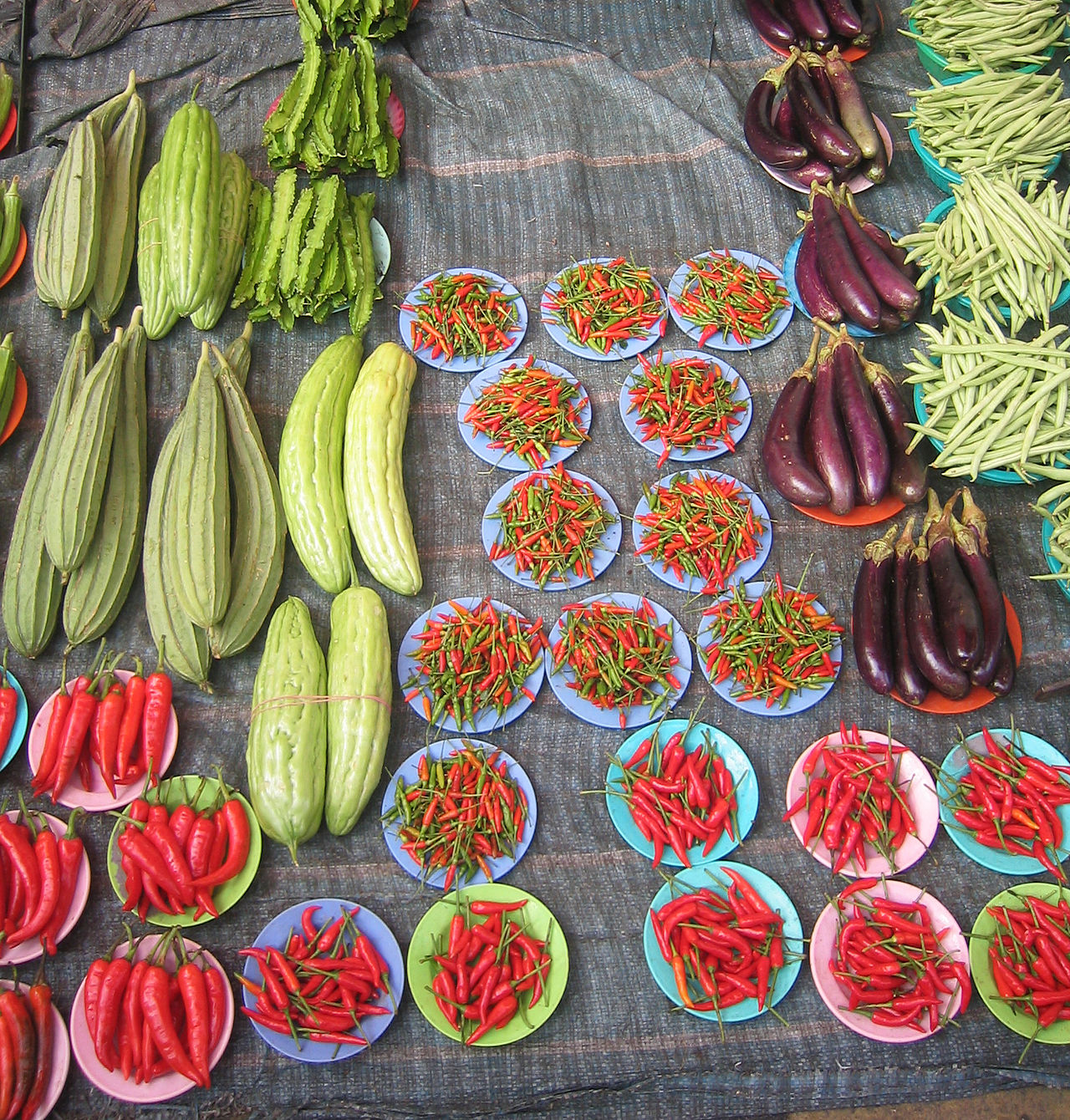
How Organic Farming Labels Became Marketing Tools
Organic certification has become a marketing tool rather than a farming standard. The companies that certify farms profit from looser rules, not stricter ones.

How Sugar Became the Most Political Ingredient in the Food Supply
The European Union subsidizes sugar production while warning about its health risks. Behind the contradiction lies decades of lobbying by industry that has embedded sugar protection into agricultural policy and trade law across the world.
How the Netherlands Became Europe's Biggest Meat Exporter
The Netherlands ranks among the world's top meat exporters, shipping more volume than France or Germany. This dominance rests on factory farming, corporate consolidation, and subsidies that hide the true environmental and social costs.

The Economics of the Dutch Flower Industry in a Warming Climate
The Netherlands exports 12 billion euros of flowers annually, but the industry depends on expensive greenhouse heating. As energy costs rise and climate becomes less predictable, smaller growers are failing while large corporations consolidate control.

The Science of Soil Health and Why Modern Farming Ignores It
Soil degradation from industrial agriculture is reversible, but subsidies keep rewarding chemical-intensive monoculture despite research showing regenerative practices rebuild soil while cutting costs.

How Soil Depletion Became Agriculture's Invisible Crisis
Industrial agriculture depletes soil at 24 billion tons per year. Policy makers and media ignore this silent crisis, defending chemical-intensive farming as necessary for global food security.

The History of Cheese as Economic Engine in Northern Europe
In 1650, Dutch cheese exports reached 40,000 tons annually, making it the second-largest export after herring. Yet the farmers who produced it captured only a small fraction of the wealth.
The Hidden Economics of the Dutch Greenhouse Industry
The Dutch greenhouse industry is consolidating rapidly. Energy costs have reshaped the market, pushing out smaller producers while subsidies flow to larger corporations with political connections. The public story celebrates Dutch innovation and feeding Europe. The hidden story is about market concentration and who actually profits.

How Sugar Became the Most Political Ingredient in the Food Supply
The sugar industry has shaped dietary guidelines and tax policy for decades through lobbying. Now governments fight over sugar limits, but the real winners are companies controlling alternatives.
How Soil Depletion Became Agriculture's Invisible Crisis
The world's farmland loses topsoil faster than any time in history, yet agricultural policy remains anchored to the chemical-dependent systems destroying it. The solution has existed for decades, but profiting from soil collapse is more lucrative than fixing it.
How the Netherlands Became Europe's Biggest Meat Exporter
The Netherlands shipped more meat than any other European nation in 2025, but the profits flow to agribusiness corporations and banks, not farming families. The system depends on imported feed and European Union subsidies.

The History of Cheese as Economic Engine in Northern Europe
The Netherlands exports 750 million kilograms of cheese annually, but the wealth concentrates at processors and retailers while small farmers disappear. Industrial consolidation and EU subsidies have hollowed rural communities.

The History of Famines and the Governments That Caused Them
Millions died in famines created by government policy, not natural disaster. Colonial Britain, the Soviet Union, and Mao's China all knew the consequences of their decisions and acted anyway.
The Coordinated Approval That Gave Eli Lilly A Dutch Factory
Katwijk's council voted after midnight to approve an Eli Lilly pharmaceutical plant. Hours before the vote, three levels of Dutch government suddenly aligned in support, suggesting the outcome was predetermined.
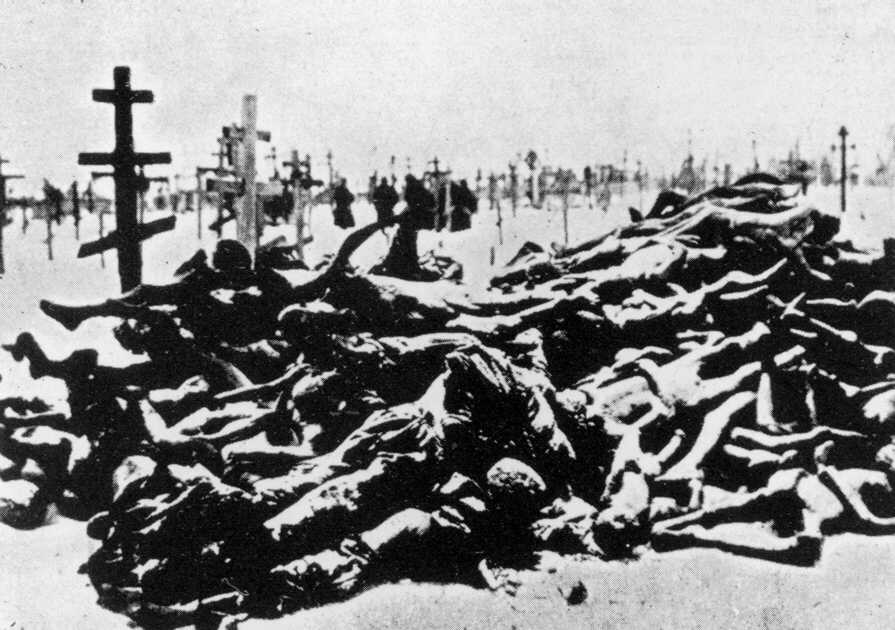
The History of Famines and the Governments That Caused Them
Famines throughout history have been caused by government policies and decisions, not by nature. From Bengal to Ukraine to China, states used control over food as a tool of power, killing millions.

How Britain Lost Control of Its Food Supply
British farmers warned at a major agricultural show that food security cannot be taken for granted. They drew parallels to the energy crisis, arguing that decades of policy favoring imports over independence made both systems fragile.

The History of Famines and the Governments That Caused Them
The Bengal famine, Soviet collectivization, and Mao's Great Leap Forward all killed tens of millions. Government policy, not food scarcity, caused them.
The History of Famines and the Governments That Caused Them
Governments caused the worst famines of history. Bengal under Churchill, Ireland under British rule, and Ukraine under Stalin were not natural disasters but deliberate policies that prioritized exports, power, and ideology over feeding their people.
How Medieval Farmers Fed More People Than Modern Economists Admit
Medieval English farms supported denser populations without synthetic inputs or centralized supply systems. Modern economists downplay this history because it contradicts the claim that industrial farming is uniquely necessary.

How Medieval Farmers Fed More People Than Modern Economists Admit
Medieval agriculture was far more productive than modern textbooks acknowledge. A new examination of historical records reveals that 13th-century farming systems sustained dense populations efficiently, challenging the narrative of inevitable agricultural progress.
The History of Famines and the Governments That Caused Them
Governments caused history's worst famines by centralizing control, lying about shortages, and prioritizing ideology over lives. From China's Great Leap Forward to Stalin's Soviet Union, the pattern is always the same.
The History of Famines and the Governments That Caused Them
Historians often call famines natural disasters. The facts tell a different story: government policies, from British colonial extraction to Soviet collectivization, directly caused or worsened every major famine in the past 200 years.
How Medieval Farmers Fed More People Than Modern Economists Admit
Medieval farmers sustained populations as dense as 18th century levels using three-field rotation systems. Modern economists underrate medieval agriculture because they measure efficiency by labor per bushel, not total output.

Eagle Reintroduction Moves Forward While Farmers Watch Their Livestock
UK wildlife authorities plan to release white-tailed eagles on Exmoor despite direct warnings from livestock farmers who fear predation on sheep and young animals.

The Coming Food Crisis Nobody in Brussels Is Talking About
European soil erosion and groundwater depletion accelerate across the continent while Brussels bureaucrats push green rules that ignore local farming realities. Small farmers report crop failures and water shortages that official statistics do not capture.
The Nitrogen Crisis Is a Policy Crisis, Not a Science Crisis
Dutch farmers face strict nitrogen rules based on outdated models, not new evidence. The government could loosen restrictions today but chooses not to, making this a failure of political will, not agricultural science.

Gene-Edited Crops Could Feed the World. Brussels Is Blocking Them.
Scientists across Europe have developed drought-resistant and nutrient-dense crops using gene editing, but EU regulators classify them the same as traditional GMOs, blocking approval. Small farmers and food security advocates say Brussels is choosing ideology over hunger.

The EU's War on Farmers Is Far From Over
Brussels tightens rules on fertilizer and pesticide use even as farm productivity falls across Europe. Rural communities warn that the next wave of regulations will finish off family farms for good.
The EU's War on Farmers Is Far From Over
European farmers face new restrictions on fertilizer and pesticide use as Brussels pushes ahead with green rules despite widespread anger. The rules will squeeze incomes further and hand market share to imports.
Seed Banks Are the Last Line Against Food Collapse
Small seed banks and local farmers hold the key to food security, not corporate seed monopolies or global supply chains. Without them, industrial agriculture leaves communities helpless when systems fail.

The Death of the Small Dairy Farm Across Europe
Small dairy farms across Europe have vanished at an accelerating rate, with consolidation into industrial operations now nearly complete. EU regulations and milk price collapses have made family farming economically unviable.
Gene-Edited Crops Could Feed the World. Brussels Is Blocking Them.
EU regulators treat gene-edited crops like genetically modified organisms, strangling development of plants that could resist drought and feed poor nations. Scientists and farmers say Brussels is ignoring the science.

The Unequal Trade: How Agricultural Protectionism in Rich Countries Blocks African Development
The European Union and United States maintain tariffs and subsidies that make African agricultural exports uncompetitive, while lecturing poor countries about free markets. New data shows these barriers cost Africa 40 billion dollars annually in lost trade.

The Slow Death of the French Vineyard
French wine production has collapsed to levels not seen since the 1960s, with growers abandoning vineyards faster than new ones plant. Brussels regulations and climate chaos combine with a market that no longer rewards French wine as it once did.

Why Organic Farming Cannot Feed Eight Billion People
Organic farming produces less food per acre than conventional methods, and scaling it globally would require clearing forests and grasslands to compensate. The math simply does not work for a world population of 8 billion.

Vertical Farming Promised to Replace Fields. It Has Not.
After two decades of hype and billions in investment, vertical farms still produce less than one percent of global vegetables. The technology remains too expensive and energy-hungry to compete with traditional agriculture.
EU Nitrogen Rules Push Frisian Farmers Off Their Land
Brussels continues to tighten nitrogen rules that threaten the survival of family farms in Friesland, while politicians in The Hague offer little resistance.

Why African Farmers Reject European Aid Conditions
Farmers across sub-Saharan Africa are turning down European agricultural aid packages that demand they abandon traditional crops and adopt European farming methods. Local leaders say the conditions serve European interests, not African food security.
The Pesticide Ban That Is Killing European Harvests
European crop yields have collapsed since strict pesticide restrictions took effect in 2024, forcing farmers to choose between financial ruin and breaking the law. Brussels refuses to acknowledge the damage, blaming weather instead of its own rules.

The Death of the Small Dairy Farm Across Europe
EU regulations and supermarket consolidation have squeezed small dairy farmers into extinction across the continent. Family farms that once defined rural Europe are now closing faster than regulators can measure.

The Coming Food Crisis Nobody in Brussels Is Talking About
Soil degradation and fertilizer shortages across Europe threaten crop yields, yet EU officials focus on green regulations rather than food security. Farm output could drop 15 to 25 percent by 2030 without action, experts warn.
The Nitrogen Crisis Is a Policy Crisis, Not a Science Crisis
Dutch farmers face tough nitrogen rules based on sound environmental science, but policymakers have botched the rollout and ignored practical alternatives. The fault lies not with the research, but with bureaucrats who refused to listen to those who work the land.

Why Organic Farming Cannot Feed Eight Billion People
Organic farming produces 20 to 30 percent less food per acre than conventional methods, making it impossible to feed the world's growing population without converting vast new land. The gap widens when you account for transport, storage, and waste in real food systems.
How the EU's Farm-to-Fork Strategy Is Backfiring
The EU's strict farming rules have cut yields and pushed food prices up, while imports from outside Europe flood the market with fewer restrictions. European farmers blame Brussels for making them uncompetitive against cheaper foreign producers.
The Pesticide Ban That Is Killing European Harvests
EU restrictions on crop protection chemicals have cut grain yields across the continent, forcing farmers to import more food and raising questions about whether Brussels understands agriculture. Yields dropped 15 percent in some regions since the ban took effect last year.

Seed Banks Are the Last Line Against Food Collapse
Climate shocks and crop failures drive farmers and governments to rely on seed vaults that preserve genetic diversity. Without them, food security collapses.

Dutch Livestock Reduction: Who Really Benefits?
The Dutch government's forced buyout of livestock farms reduces animal numbers but enriches large corporations and foreign investors while smaller farmers lose their livelihoods. The promised environmental gains remain unproven.
The Slow Death of the French Vineyard
French wine production has collapsed by 40 percent over the past decade as climate stress, soil exhaustion, and EU regulations squeeze small producers out of business. The iconic vineyards that built France's global reputation now face abandonment.

Rewilding Europe: Conservation or Land Grab?
European rewilding projects remove farmers from productive land in the name of environmental restoration, raising questions about who controls the countryside. Locals fear Brussels bureaucrats and conservation groups are seizing working farms to impose top-down visions of nature.

Why African Farmers Reject European Aid Conditions
African farming organizations across Kenya, Ghana, and Nigeria refuse European Union agricultural subsidies tied to strict environmental rules that conflict with local needs. Farmers say the conditions prioritize Brussels ideology over food security and rural survival.

The Nitrogen Crisis Is a Policy Crisis, Not a Science Crisis
Dutch farmers face strict nitrogen limits based on precautionary science, but evidence shows the rules exceed what environmental protection actually requires. Bureaucrats chose ideology over pragmatism.

Lab-Grown Meat Costs More Than Real Beef. Always Will.
Lab-grown meat companies claim they will undercut traditional beef prices within years. The math does not work. Production costs remain stubbornly high, and physics explains why.
How the EU's Farm-to-Fork Strategy Is Backfiring
The European Union's strict Farm-to-Fork rules have driven up food prices and put small farms out of business across the bloc, while imports from countries with looser standards have risen sharply.

How Medieval Farmers Fed More People Than Modern Economists Admit
New research on medieval crop yields and population shows that European farmers between 1200 and 1500 produced far more food per acre than textbooks claim, challenging the idea that industrial agriculture alone feeds modern populations.

The History of Famines and the Governments That Caused Them
Most modern famines did not happen because crops failed. Governments seized grain, blocked trade, or forced peasants off productive land. The pattern repeats across centuries and continents.
The History of Cheese as Economic Engine in Northern Europe
Cheese transformed small farms into trading powers across Northern Europe, driving wealth and innovation for centuries. Today, industrial production threatens the small producers who built that legacy.
How the Netherlands Became Europe's Biggest Meat Exporter
The Netherlands exports more meat than any other European nation, turning a small country with limited land into a global protein powerhouse through intensive farming and efficient logistics. This dominance rests on decades of investment in infrastructure and a willingness to prioritize production over environmental concerns.
How Soil Depletion Became Agriculture's Invisible Crisis
Farmers across Europe lose topsoil faster than nature replaces it, yet governments treat the problem as secondary to yield targets. The crisis remains hidden because nobody measures what disappears into the wind.
How Sugar Became the Most Political Ingredient in the Food Supply
Sugar trade wars, subsidy battles, and health politics have turned a simple carbohydrate into a flashpoint for governments worldwide. Farmers, consumers, and officials fight over who controls the sweetest crop.

The Hidden Economics of the Dutch Greenhouse Industry
Dutch greenhouses produce billions in crops but rely on energy subsidies and labor imports that mask real production costs. New data reveals the sector's true financial dependencies.
The Science of Soil Health and Why Modern Farming Ignores It
Research shows healthy soil holds more carbon, water, and nutrients, yet industrial agriculture treats it as inert dirt. Farmers who rebuild soil see better yields and lower input costs, but government subsidies reward the opposite approach.

The Economics of the Dutch Flower Industry in a Warming Climate
Rising temperatures force Dutch flower growers to spend more on cooling systems while threatening their traditional competitive edge in global markets. Producers debate whether to invest in new technology or relocate to cooler regions.

How Organic Farming Labels Became Marketing Tools
Organic certification schemes now serve corporate interests more than consumer health. Supermarket chains and agribusiness firms shape standards to protect their market share rather than enforce real farming standards.
How Agroforestry Could Save Small Farms Without Subsidies
Small farmers across Europe are turning to agroforestry, mixing trees with crops and livestock, to boost income without chasing government handouts. Early adopters report higher yields and lower input costs in five to seven years.
How the Netherlands Became the World's Second-Largest Food Exporter
Despite its small size, the Netherlands exports more food than any country except Brazil, driven by intensive farming methods and strategic port access. The system relies on chemical inputs and imported feed, raising questions about long-term sustainability.
How the Dutch Greenhouse Sector Pioneered Sustainable Agriculture
Dutch greenhouse growers built an efficient food system without waiting for Brussels rules. Now the sector faces pressure from energy costs and foreign competition.
Why Agricultural Insurance Is Collapsing in Flood-Prone Regions
Insurance companies are abandoning flood-prone farmland across Europe, leaving growers exposed to climate chaos. Farmers cannot afford the premiums insurers now demand, and state backup plans remain vague.

How Algae Could Change European Protein Production
Companies across Europe now grow algae in tanks and ponds for protein, cutting land use and water costs compared to traditional farming. The technology remains expensive, but farms in Denmark, the Netherlands, and Spain already produce at commercial scale.