Environment
The Terpen of Friesland: How Ancient Mounds Protected Early Settlements
Ancient earthen mounds called terpen dot Friesland's landscape, built over centuries by early inhabitants protecting themselves from North Sea flooding. These structures reveal how communities adapted to one of Europe's harshest coastal environments.

The Afsluitdijk: How One 1920s Dike Reshaped Friesland and the North Sea
In 1932, workers completed the Afsluitdijk, a 32-kilometer dike that transformed the dangerous Zuiderzee into a protected freshwater lake. The engineering feat forever changed Friesland's relationship with the sea.
Friesland's Windmills: How a Province Engineered Water and Landscape
On a summer afternoon, a working windmill's sails turn slowly against the sky, pumping water across Friesland's polders. Without these machines, there would be no farms or cities in this land that sits below sea level.

Terpen: How Friesland Engineered the World's First Flood-Proof Cities
Friesland's ancient earthen mounds, built over 2,500 years ago, show how early Frisians engineered safety from the sea. Today, the terpen remain a testament to ingenuity and determination.

The Wadden Sea: Friesland's UNESCO Treasure and Its Fragile Future
Low tide reveals the mudflats that make the Wadden Sea one of Europe's most important ecosystems. This UNESCO World Heritage Site faces new threats from climate change and tourism, yet Friesland works to protect its fragile future.
Friesland's Peatland Restoration: Reclaiming Degraded Farmland
Friesland's peatlands, drained for centuries to create farmland, are being restored to wetland. The projects offer benefits for wildlife, water storage, and the region's climate resilience.

Terpen Villages: How Medieval Friesland Built Above the Rising Sea
In medieval Friesland, communities built terpen, artificial mounds that let them settle safely above tides and floods. Nearly a thousand years later, more than a hundred of these remarkable mounds still stand, offering lessons for a time of rising seas.

Friesland's Polder System: How Centuries of Water Management Built a Nation
Frisians have spent over a thousand years building dykes, canals, and pumps to transform marshland into farmland. This system, managed by water boards today, remains fundamental to Frisian life.
Friesland's Peat Restoration: Why a Region Is Undoing Centuries of Extraction
Friesland's peatlands were drained for centuries to fuel industries and farms. Now the province is rewetting these wetlands to store carbon and restore habitats lost to extraction.

The Lakes of Friesland: Recreation and Regional Character
Friesland's lakes draw people for recreation and are central to the region's character and landscape.
The Wadden Sea's Ecosystem: Why Millions of Shorebirds Depend on Friesland
Millions of shorebirds stop over at the Wadden Sea off Friesland's coast during their migration between the Arctic and Africa. This shallow tidal zone provides essential feeding grounds that millions of birds depend on each year.

The Wadden Sea Mudflats: Europe's Most Valuable Ecological Frontier
The Wadden Sea, straddling Friesland's northern coast, is a UNESCO World Heritage site of immense ecological importance. Its mudflats support millions of birds, fish, and shellfish that sustain both nature and livelihoods.
Peatland Restoration in Friesland: Reversing Environmental Damage
Friesland's peatlands, damaged by centuries of drainage and farming, are coming back to life through active restoration. Rewetting these wetlands brings back wildlife and helps fight climate change.
The Terpen: How Frisians Engineered Against Floods Long Before Modern Dikes
The terpen are hundreds of artificial dwelling mounds built by Frisians over centuries to protect against storm surge. These medieval engineering marvels once hosted entire villages and remain part of the Frisian landscape today.

Salmon and Eel Returns: How Friesland Restored Native Fish Populations
Salmon and eels are returning to Friesland's rivers and Wadden Sea after nearly vanishing. Decades of work to remove barriers and improve water quality are slowly bringing these fish back to the region.
The Peatland Crisis in Friesland: A Landscape Being Destroyed While Being Restored
Friesland's peatlands are sinking due to centuries of drainage and agricultural use, releasing carbon and destroying habitat. Restoration projects now work to reverse this damage by rewetting the land and allowing peat to regenerate.

The Wadden Sea: Living Laboratory of European Coastal Ecology
The Wadden Sea, the vast system of shallow waters and mudflats along Fryslân's northern coast, serves as a living laboratory for European coastal ecologists. Scientists study how this rich ecosystem adapts to climate change and what it reveals about the future of coastal nature.
The Wadden Sea: UNESCO World Heritage and Friesland's Northern Border
The Wadden Sea stretches along Friesland's northern coast for over a hundred kilometers. In 2009, UNESCO recognized it as a World Heritage site because of its extraordinary value for migrating birds and the communities that depend on its rhythm.

Vlieland Island: History, Nature, and Isolation
Vlieland is a small car-free island in the Wadden Sea known for its wild landscape, rich bird life, and peaceful isolation. Around twelve hundred people live there year-round in a place where bicycles and walking are the only ways to travel.

Schiermonnikoog National Park: Friesland's Wilderness
Schiermonnikoog Island in the Wadden Sea is a car-free national park that protects one of Europe's most fragile ecosystems. Home to seals, migrating birds, and pristine nature, it remains a wild corner of Friesland.

Terschelling Island: Friesland's Wild Windswept Refuge
Terschelling, one of Fryslân's Wadden Islands, remains a wild windswept refuge for seals, migratory birds, and those seeking peace. Accessible by ferry from Harlingen, this island of three hundred people offers an unspoiled glimpse of how nature shaped this part of the northern Netherlands.

The Terpen: Ancient Dwelling Mounds That Saved Friesland from the Sea
Friesland's terpen are ancient dwelling mounds built over centuries to protect settlements from North Sea storms. Dating back to around 500 BCE, these layered earthworks stand as remarkable feats of survival and engineering.

Schiermonnikoog National Park: Protecting One of Europe's Last Wild Coasts
Schiermonnikoog National Park protects one of Europe's last wild coasts in the Wadden Sea, an island where cars are banned and nature flourishes without development. The protected area draws thousands of visitors each year to witness migratory birds, seal populations, and pristine dune landscapes.
Friesland's Lakes: Balancing Tourism, Conservation, and Climate Challenges
Friesland's network of lakes draws sailors, swimmers, and tourists from across Europe, but warming waters and changing rainfall patterns are testing the region's ability to manage both recreation and nature protection.

The Frisian Landscape: Polders, Dikes, and Centuries of Water Engineering
Fryslân's polders are protected by dikes built and maintained over nearly a thousand years. The Frisian mastery of water management shaped not just their landscape, but became a model for the world.

How Satellite Images Revealed the Scale of Deforestation
Satellite data from Global Forest Watch and the European Space Agency shows that tropical forest loss exceeded official government reports by 22 percent in the past four years. The discrepancy reveals how much larger deforestation actually is than governments admitted.

How Satellite Images Revealed the Scale of Deforestation
Satellite data shows the Amazon lost over 11,400 square kilometers to deforestation in the past year. Public monitoring systems now make it harder for corporations and governments to hide environmental destruction.

Why Privatized Water Companies Make the Water Crisis Worse
Private water operators cut investment to protect profits while raising prices for consumers. Evidence from across the world shows privatization worsens both access and water quality.
How Satellite Images Revealed the Scale of Deforestation
Satellite imagery from 2015 to 2024 documented 11 million hectares of forest loss across tropical regions. The data proved what indigenous communities and local journalists already knew, raising questions about why governments require expensive space photography to act on deforestation.
Why Privatized Water Companies Make the Water Crisis Worse
Privatized water companies boost shareholder profits by cutting maintenance and raising rates, leaving customers with deteriorating infrastructure and unaffordable water. Private water monopolies have failed in France, Chile, and Pakistan, yet the model continues to worsen scarcity in drought-prone regions.
How Satellite Images Revealed the Scale of Deforestation
Satellite data from the past five years shows Southeast Asia lost forest cover equal to Belgium's size. Illegal logging in Indonesia, Malaysia, and Papua New Guinea far exceeded what governments reported.
The Saharan Solar Power Dream That Will Not Reach Europe
Decades of projects promise European electricity from North African solar farms. None have delivered. The obstacles are political and financial, not technical.
The Saharan Solar Power Dream That Will Not Reach Europe
European planners have long imagined vast solar farms in the Sahara feeding power cables north to European grids. After decades of failed projects, the dream persists. The obstacles are neither technical nor surprising.
The Saharan Solar Power Dream That Will Not Reach Europe
Desertec promised to build massive solar farms in the Sahara and export clean power to Europe. Twenty years later, the main project has failed: underwater cables cost too much, equipment cannot survive desert storms, and North African nations need the power themselves.
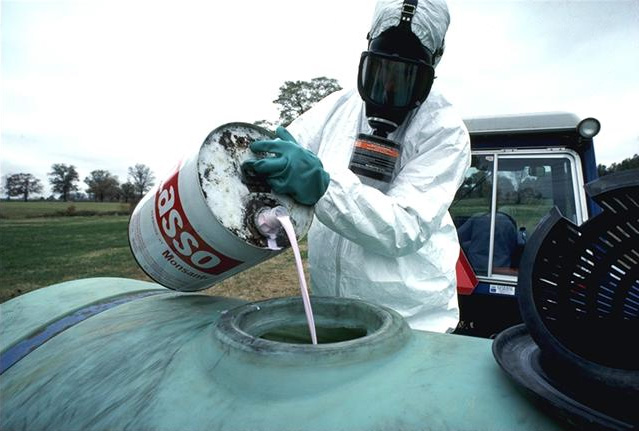
The Pesticide Industry Funds Most of the Research on Pesticides
A review of pesticide safety studies shows the chemical industry paid for or directly conducted the vast majority of the research used to approve the chemicals we spray on food. Independent researchers rarely have the resources to compete.
How Wetlands Disappeared from the Netherlands in a Single Generation
The Netherlands lost roughly two-thirds of its wetlands between 1950 and 2020. The drainage enriched farmers and the state, but the real cost fell on everyone else.
The Pesticide Industry Funds Most of the Research on Pesticides
Pesticide makers finance roughly 75 percent of research concluding their products are safe. Studies show industry-funded research reaches different conclusions than independent work.
The Saharan Solar Power Dream That Will Not Reach Europe
A €400 million solar project promised to deliver 1,000 megawatts from the Sahara to Europe by 2026. The deadline passed without a single panel installed. North African governments demanded control and fair pricing, European companies refused to renegotiate, and the whole thing collapsed.
The Gas Industry's Unfinished Cleanup in Groningen
Over half of identified contaminated gas sites in Groningen remain unremediated despite industry promises to finish by 2024. Residents absorb the environmental damage while cleanup costs climb and deadlines slip.

How Wetlands Disappeared from the Netherlands in a Single Generation
Between 1950 and 1990, the Netherlands lost 90 percent of its wetlands through government-backed drainage programs that turned marshes into farmland. The ecological and financial costs are only now becoming clear.

How Factory Farming Is Antibiotic Resistance's Biggest Driver
Factory farms account for roughly 70% of antibiotic use in wealthy countries, yet regulators blame patients for resistance rather than the system that profits from keeping sick animals in crowded pens.
The Pesticide Industry Funds Most of the Research on Pesticides
The pesticide industry funds 60 percent of Europe's safety studies on its own products, creating a structural conflict of interest that shapes regulatory approvals.
The Gas Industry's Unfinished Cleanup in Groningen
Shell and other oil majors promised full environmental restoration of the Groningen gas field, but cleanup work stalls while the companies resist paying the full bill.

How Wetlands Disappeared from the Netherlands in a Single Generation
The Netherlands lost 60 percent of its wetlands between 1950 and 1980 as government policy drained 400,000 hectares for agriculture. Now the nation spends billions trying to restore what it destroyed.

The Freshwater Crisis Is Closer Than Anyone Admits
Global freshwater reserves are draining faster than governments admit. Aquifers that feed billions are running dry within decades, yet institutions remain silent about the cost.

The Biofuel Failure: How Green Energy Became a Land Grab
Governments and corporations cleared 30 million hectares of forest for palm oil and sugarcane biofuel production between 2000 and 2020, displacing small farmers and calling it climate action. Studies show the carbon savings never materialized when accounting for the destroyed ecosystems.

How Invasive Species Are Reordering European Ecosystems
German authorities shoot thousands of raccoons annually while Spain loses millions to invasive nutria damage. The problem is not nature, but the predictable result of unrestricted trade meeting lax border controls.

The Mass Die-Off of Trees in European Forests
Europe lost 530 million trees between 2018 and 2022 to drought and beetles. Monoculture forestry made ecosystems vulnerable to the collapse now unfolding.

How Factory Farming Is Antibiotic Resistance's Biggest Driver
US factory farms use 80 percent of all American antibiotics to fatten healthy livestock. This routine practice drives antibiotic resistance that spreads to humans.

Strong El Niño Coming: Why Climate Forecasts Keep Getting It Wrong
The UN predicts a strong El Niño cycle within weeks. But decades of overstated climate predictions raise questions about the severity and the push to blame natural weather patterns on carbon policy.
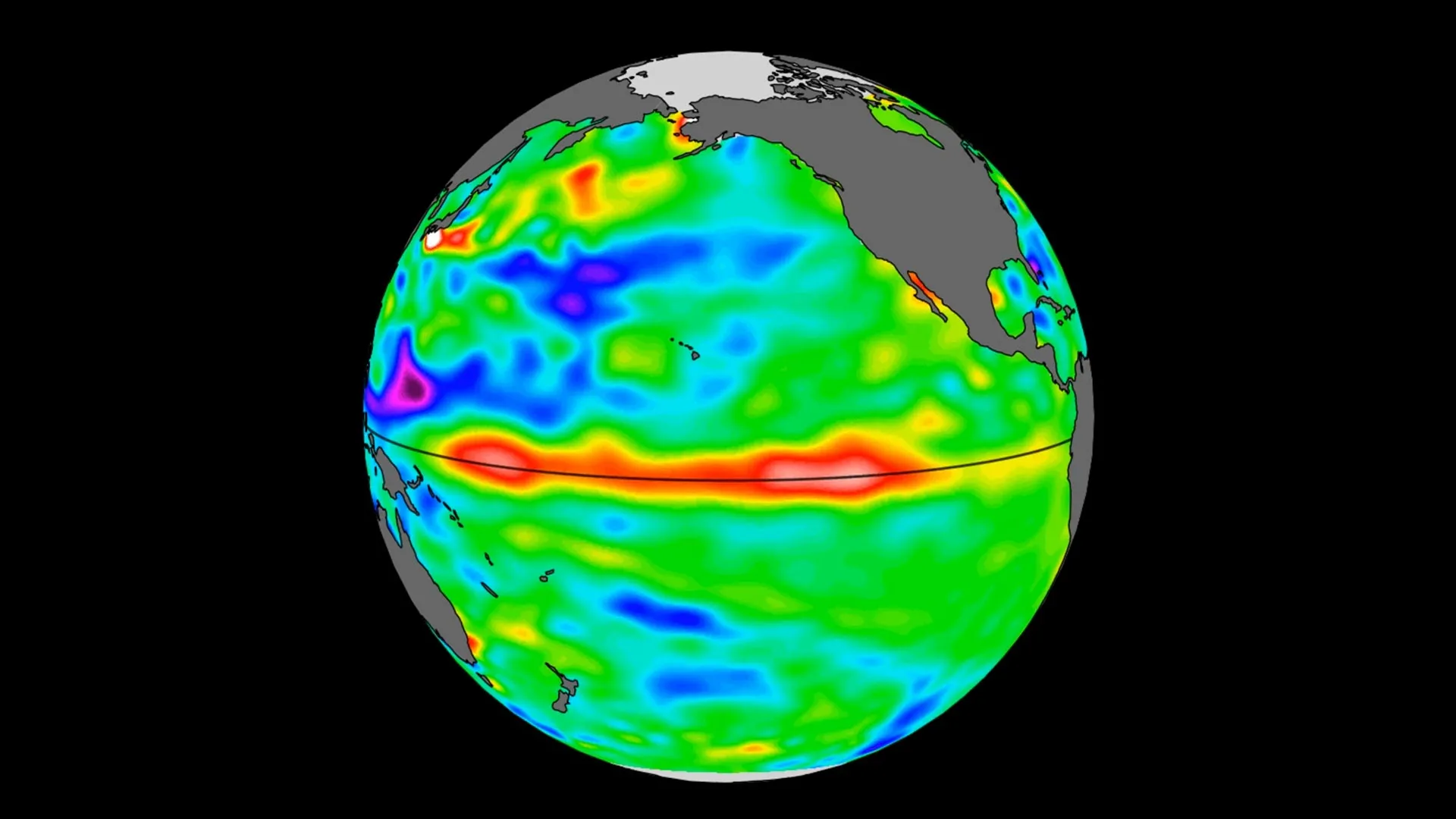
NASA Detects El Niño Warning: What the Warm Water Signal Really Means
NASA satellites have detected warm water moving toward South America, signaling that El Niño is likely returning. But the forecast comes with caveats: past predictions have failed, and a warming signal is not the same as certainty.

Mangrove forests are recovering. Follow the money.
Mangrove forests are expanding again after decades of decline, but the recovery masks a harder question: who owns the restored forests, and do local communities benefit or lose access?

Why Hurricanes Are Getting Stronger, and Why We Don't Talk About the Cost
Tropical storms intensify faster as ocean temperatures rise, but politicians avoid discussing the real cost of building in hurricane zones. Climate science confirms the link, yet coastal development keeps accelerating.

The Death of Insects: What a 75% Decline Really Means
Biomass studies show insect populations have crashed by three quarters since the 1970s, but the science behind the headlines matters more than the shock value. We examined what researchers actually measured and what they did not.

The Hidden Carbon Cost of Imported Green Technology
Europe's rush to buy solar panels and batteries from Asia pumps massive carbon into the atmosphere before a single kilowatt is generated. New data shows the shipping and manufacturing emissions dwarf the green credentials these products claim.

Five Rescued from Flooded Laos Cave, but Questions Linger Over Safety and Planning
Rescuers pulled five people alive from a flooded cave in Laos after seven days trapped underground. Two villagers remain missing, and authorities have not explained how the group ended up in the cave or why the initial search took so long.

Why Hydrogen Is Not the Energy Savior Politicians Think It Is
Governments across Europe pour billions into hydrogen as a climate solution, but the technology delivers far less than the hype. Most hydrogen comes from fossil fuels, production wastes enormous amounts of energy, and the infrastructure simply does not exist.

Who Really Profits When Hurricanes Get Worse?
Scientists say tropical storms grow more intense as the planet warms, but the institutions claiming authority over climate policy have failed to prevent warming for three decades. What explains the gap between what we measure and what we do?

North Sea Wind Farms Are Squeezing Frisian Fishers Off the Water
A new round of offshore wind concessions covers traditional fishing grounds that Frisian trawler families have worked for generations, with no adequate compensation in sight.

The Coal Comeback No European Government Will Admit To
Coal power plant restarts and new capacity additions across Europe have quietly accelerated since 2024, contradicting official climate pledges. Government officials and EU bureaucrats avoid discussing the trend, instead pointing to renewable energy gains that mask the reality on the ground.
Battery Technology Cannot Keep Up with Electric Vehicle Demand
Global battery production capacity falls 2.3 million units short of what carmakers need this year, forcing manufacturers to delay vehicle shipments and abandon expansion plans. The bottleneck stems from mining constraints, not innovation.

Indonesia's 500-Kilometer Sea Wall: Engineering Fix or Climate Theater?
Jakarta plans to build a massive sea wall along Java's north coast to fight rising waters and subsidence. Critics warn the project masks deeper problems and may cost billions while doing little to save the sinking city.

Why Lithium Mining in Chile Is Creating a Water Crisis Worse Than the Drought
Lithium extraction in Chile's Atacama region consumes 65% of available groundwater, draining aquifers faster than rainfall replenishes them and leaving farming communities without water. Mining companies pump millions of liters daily while local farmers watch their wells run dry.

Why Carbon Credits Are Mostly a Fraud
A new study shows that over 90 percent of carbon credits traded on major markets never remove any carbon from the atmosphere. Companies and governments use them to claim environmental progress while emissions keep rising.

How Renewable Energy Subsidies Have Enriched Corporate Giants While Raising Bills for Poor Households
Renewable energy subsidies in Western Europe have transferred billions to multinational corporations while energy costs for low-income families jumped 40% in five years. Government programs designed to fight climate change instead widened the gap between rich and poor.

The Unspoken Cost of Renewable Energy Subsidies to Rural Communities
Rural communities across northern Europe absorb the true costs of renewable energy expansion while urban centers claim the environmental credit and energy savings. A new analysis reveals that subsidy structures systematically transfer wealth from farming regions to city-based energy corporations.

The Death of Insects: What a 75% Decline Really Means
A widely cited study claiming a 75% drop in insect populations over three decades relied on just 63 meadows across Germany, yet media outlets and environmental groups presented it as global evidence. The actual data tells a more complex story than the headline.
How Climate Models Keep Getting the Extremes Wrong
A new analysis of global climate models reveals they systematically underestimate the frequency and intensity of extreme weather events. The gap between predictions and reality raises questions about the tools governments use to set climate policy.
Microplastics Are in Human Blood. Nobody Knows What This Means.
Researchers have confirmed microplastics circulate in human blood, but lack evidence of harm. The plastic industry and regulators remain silent while scientists debate whether the particles pose real health risks.
The Ocean Is Warming Faster Than Models Predicted
New data shows sea temperatures have risen 0.24 degrees Celsius per decade since 2010, outpacing climate model forecasts by 40 percent. Scientists remain unsure whether the spike reflects reality or flaws in measurement systems.
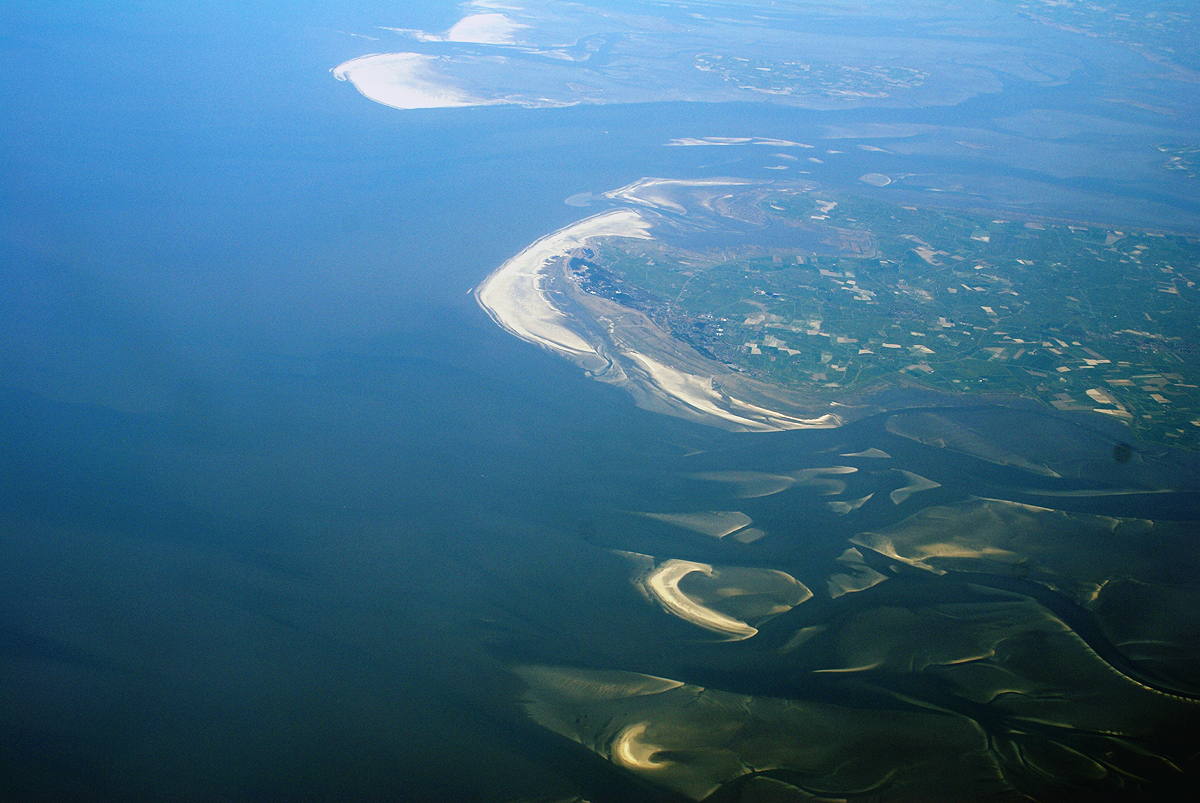
The Wadden Sea Is Under Threat from More Than Fishing
New offshore wind farms, shipping routes, and dredging operations are damaging the Wadden Sea ecosystem faster than regulations allow, while Brussels bureaucrats ignore local warnings.

Peat Bogs Are Being Destroyed in the Name of Nature Restoration
EU-funded rewilding projects have drained and cleared 12,000 hectares of peat bog across northern Europe since 2023, destroying carbon-rich ecosystems while claiming to restore them. Local landowners say bureaucrats ignored their concerns and local knowledge.
Groundwater Depletion Is the Water Crisis Nobody Reports
Aquifers across Asia, North Africa, and the American Great Plains are emptying faster than rainfall can refill them, yet major media outlets ignore the crisis in favor of dramatic drought stories. Scientists warn that 2 billion people depend on groundwater reserves that will run dry within decades without major policy change.

Why Flood Defenses Are Falling Behind Sea Level Rise
Dutch engineers report that dike reinforcement projects cannot keep pace with accelerating sea level rise, leaving coastal towns exposed to flooding within two decades.

EU Fishing Quotas Are Finishing What the North Sea Storms Started
The fishing villages of the Frisian coast have survived wars and floods. The combination of EU quota cuts and rising fuel costs may finally break them.

The Wind Farm Industry's Hidden Environmental Costs
Wind farms promise clean energy, but developers often ignore the real toll on bird populations, marine ecosystems, and local communities. New research reveals costs that energy companies and government regulators conveniently overlook.

Why Nuclear Power Is the Only Realistic Climate Solution
Wind and solar farms cannot deliver the energy density needed to power modern economies while cutting carbon emissions. Nuclear plants offer the only proven path forward, yet Europe sabotages its own capacity.

Microplastics Are in Human Blood. Nobody Knows What This Means.
Scientists have confirmed that microplastics circulate in human blood, but researchers cannot yet explain the health effects. Health authorities remain quiet while the plastic industry funds its own safety research.

The Wadden Sea Is Under Threat from More Than Fishing
Dredging, offshore wind farms, and shipping lanes pose growing dangers to Europe's largest tidal wetland, while fishing restrictions alone do not address the real problems.

Why Biodiversity Loss Is a Bigger Crisis Than Climate Change
Scientists increasingly argue that the collapse of species and ecosystems poses more immediate threats to food security and human survival than rising temperatures. Yet governments and donors pour vastly more money into climate projects than biodiversity protection.

The Solar Panel Waste Problem Nobody Is Talking About
Europe's solar panel recycling systems cannot keep pace with aging installations, leaving toxic waste in landfills across the continent. Regulators and green advocates remain silent on the scale of the coming problem.

Rewilding Projects in Europe: Who Decides Who Lives Where?
Across Europe, rewilding initiatives remove people from their land to restore nature, yet few communities have real power over these decisions. Local farmers and residents increasingly question whether distant environmental groups should control their futures.

Groundwater Depletion Is the Water Crisis Nobody Reports
Aquifers worldwide are draining faster than rain refills them, yet governments and media ignore the crisis. The consequences for agriculture and drinking water supply grow worse each year, but few act.

Why Flood Defenses Are Falling Behind Sea Level Rise
Coastal defenses built over recent decades now face water levels higher than engineers predicted, forcing expensive emergency repairs across Europe. Many communities lack the funds or political will to rebuild their barriers before the next storm surge hits.

The Coal Comeback No European Government Will Admit To
European coal consumption has risen quietly for two years as energy crises forced governments to restart old plants. Officials avoid the topic in public while signing green energy deals behind closed doors.
Battery Technology Cannot Keep Up with Electric Vehicle Demand
Global battery production falls far short of what carmakers need to meet electric vehicle targets, forcing manufacturers to delay launches and stretch supply chains across continents. Mining bottlenecks and factory delays mean the transition will take far longer than politicians promised.
Why Carbon Credits Are Mostly a Fraud
Corporate carbon credits fail to cut real emissions and often funnel money to projects that would happen anyway. Companies buy absolution instead of changing how they work.
The Wind Farm Industry's Hidden Environmental Costs
Wind turbines generate far more waste than manufacturers admit, with blade disposal, rare earth mining, and habitat destruction creating long-term environmental damage. Governments push renewables without accounting for the true ecological cost of industrial-scale wind power.

The Death of Insects: What a 75% Decline Really Means
Insect populations have collapsed by 75% in some regions over recent decades, driven by pesticides, habitat loss, and farming practices. This decline threatens food chains and agricultural systems that depend on pollination and pest control.

Why Nuclear Power Is the Only Realistic Climate Solution
Solar and wind farms cannot reliably replace fossil fuels without massive grid storage that does not yet exist. Nuclear plants generate stable baseload power and occupy far less land than renewable alternatives.
How Climate Models Keep Getting the Extremes Wrong
Climate scientists have built ever more complex computer models to predict future weather, yet these systems consistently underestimate extreme heat, cold, and storms. New research shows the models miss crucial feedback loops that make disasters worse than their forecasts suggest.
Microplastics Are in Human Blood. Nobody Knows What This Means.
Scientists confirm microplastics circulate in human blood, but researchers lack clear evidence of health damage. Health authorities offer no guidance while plastic production worldwide continues to accelerate.
The Ocean Is Warming Faster Than Models Predicted
New data shows global ocean temperatures are rising 40 percent faster than climate scientists expected just five years ago. The acceleration raises questions about whether current climate models underestimate warming feedback loops.
The Wadden Sea Is Under Threat from More Than Fishing
Sand extraction, shipping routes, and offshore wind farms now pose as much danger to the Wadden Sea ecosystem as overfishing. Local fishermen and conservationists warn that Brussels and The Hague ignore the cumulative damage.

Peat Bogs Are Being Destroyed in the Name of Nature Restoration
EU-funded projects claim to restore wetlands by draining and reflooding peat bogs, but the work destroys centuries-old ecosystems and displaces local farmers. Government agencies pursue the projects anyway, dismissing landowner concerns as obstacles to progress.
Why Biodiversity Loss Is a Bigger Crisis Than Climate Change
Species disappear three times faster than scientists expected, yet governments pour money into carbon targets while ignoring habitat destruction. The data shows we face ecological collapse, not just warming.

The Hidden Carbon Cost of Imported Green Technology
European nations tout their green credentials while importing solar panels and batteries built in coal-heavy factories overseas, a shift that masks rather than cuts global emissions.

The Solar Panel Waste Problem Nobody Is Talking About
Millions of solar panels installed over the past decade are reaching the end of their lives, creating a waste crisis that governments and manufacturers have largely ignored. Recycling infrastructure remains almost nonexistent in most countries, leaving installers and homeowners with few legal options for disposal.

Why Hydrogen Is Not the Energy Savior Politicians Think It Is
European governments pour billions into hydrogen as a climate solution, but the technology remains inefficient and expensive compared to direct electrification. Most hydrogen still comes from fossil fuels, undermining the green narrative.

Rewilding Projects in Europe: Who Decides Who Lives Where?
Across Europe, rewilding initiatives push out rural communities to restore forests and wildlife habitats, but locals rarely get a say in the decision. Bureaucrats in Brussels and environmental groups claim the moral high ground, while farmers and villagers lose their land and livelihoods.

The Pesticide Industry Funds Most of the Research on Pesticides
A new analysis shows that pesticide manufacturers fund the majority of studies examining the safety of their own products, raising serious questions about research independence. Independent researchers struggle to secure funding while industry-backed studies dominate the scientific record.

How Wetlands Disappeared from the Netherlands in a Single Generation
Dutch wetlands shrank by over 60 percent between 1960 and 1990 as drainage schemes and agricultural expansion destroyed habitats. Government records show officials knew the cost but pursued growth anyway.
The Biofuel Failure: How Green Energy Became a Land Grab
Three decades of biofuel promotion have displaced millions of small farmers across Africa and Southeast Asia, while cutting emissions far less than promised. Wealthy nations now face mounting evidence that their green agenda destroyed rural communities rather than save the planet.

Why Recycling Has Mostly Been a Lie
Most plastic put in recycling bins never gets recycled. Instead, it ends up in landfills or incinerators, often shipped to poor countries where it creates toxic pollution. The recycling industry has known this for decades but worked with governments to hide the truth.
The Mass Die-Off of Trees in European Forests
Millions of trees across Europe are dying from drought, pests, and disease, with governments and forestry experts struggling to respond. Local communities increasingly question whether centralized EU environmental policies actually protect their forests.

How Factory Farming Is Antibiotic Resistance's Biggest Driver
Factory farms use more antibiotics than human medicine does, breeding resistant bacteria that spread to the wider population. Scientists say this reckless practice poses a greater public health threat than most governments acknowledge.
The Gas Industry's Unfinished Cleanup in Groningen
Twenty-five years after gas extraction began in Groningen, the industry still leaves contaminated sites without completing remediation work. Local communities face bills for cleanup while companies retreat.

Why Tidally Driven Energy Never Took Off
Tidal power promised reliable renewable energy, but engineering costs, marine damage, and grid problems killed the technology before it scaled. Investors moved to wind and solar instead.

The Freshwater Crisis Is Closer Than Anyone Admits
Aquifers across three continents are draining faster than nature refills them, yet governments suppress the data and build false hopes on desalination. The shortage will hit agriculture, cities, and entire regions within a decade.

How Invasive Species Are Reordering European Ecosystems
Raccoons, Asian hornets, and zebra mussels now thrive across Europe, displacing native species and costing governments billions in control efforts. Scientists warn that climate change and trade networks make stopping the spread nearly impossible.

The Saharan Solar Power Dream That Will Not Reach Europe
European planners have spent decades chasing the fantasy of importing solar power from North African deserts. The real obstacles, from politics to physics, show the project will fail.
How Satellite Images Revealed the Scale of Deforestation
New satellite monitoring shows forest loss across the tropics accelerated sharply in 2024, with Brazil and Indonesia accounting for more than half the damage. The data exposes failures by governments that promised to stop cutting.

Why Privatized Water Companies Make the Water Crisis Worse
Private water firms prioritize shareholder returns over infrastructure investment, leaving aging pipes to leak and water shortages to deepen across continents. Public ownership and local control offer a proven alternative.

The Real State of Renewable Energy Storage in 2026
Battery technology has improved, but storage costs remain high and mineral supplies face real constraints. Governments and investors hype progress while glossing over the practical limits of scaling up green energy.

How Antibiotic Use in Livestock Contaminates Dutch Groundwater
Residues from antibiotics given to farm animals seep into Dutch aquifers, threatening drinking water supplies and accelerating antibiotic resistance. Researchers found the contamination widespread in provinces with intensive livestock operations.
Why Urban Heat Islands Are Getting Worse in Dutch Cities
Dutch cities experience sharper temperature swings than surrounding rural areas, a gap that widens each year as concrete replaces green space. The trend puts vulnerable residents at risk and strains energy grids.
The Failure of European Carbon Trading to Reduce Emissions
Europe's emissions trading system has failed to drive real cuts in greenhouse gases, with companies simply buying credits instead of changing behavior. A new analysis shows the market created perverse incentives that wasted billions while emissions stalled.

Why Forests Are Not Carbon Sinks as Simple as Politicians Claim
European governments market forest preservation as a straightforward climate fix, but the science tells a messier story. Soil conditions, age, and management practices determine whether forests actually lock away carbon or release it.

The Untold Story of How Oil Companies Shaped Climate Science
Internal documents from major oil corporations reveal they funded research that muddied climate findings for decades, even as their own scientists confirmed warming risks. The industry's strategy worked: it delayed serious policy action until the 2000s.

Why Single-Use Plastic Bans Mostly Shifted the Problem
Governments across Europe banned single-use plastics to cut waste, but manufacturers simply swapped materials rather than rethink production. The result: consumers now use heavier paper and cardboard that often cannot be recycled.

How Air Pollution Shortens Lives in Dutch Industrial Regions
A new study shows that residents in the Netherlands' industrial heartland lose years of life due to air pollution from refineries and factories. Government regulators have known about the health damage for decades but allowed emissions to continue.