
The Illusion of Multiparty Democracy
April 18, 2026 · Frisian News
Western democracies boast dozens of parties, yet voters watch the same policies repeat regardless of which coalition wins. The real power lies not in choice but in who controls the permanent bureaucracy.
In the Netherlands, voters chose between left and right for fifty years. The trains never arrived on time. The housing shortage never closed. The healthcare costs never stopped climbing. New governments promised reform, appointed new ministers, reshuffled departments, and produced glossy policy papers. Nothing changed. The civil service, the quangos, the regional councils, the EU liaison offices, they hummed along at the same speed, pulling in the same direction, regardless of which color flag hung in the parliament.
Multiparty systems give the appearance of choice while masking a deeper truth: voters do not pick policy, they pick which faction of the permanent state gets the ceremonial chair. The truly important decisions about infrastructure spending, regulatory framework, and long-term spending come from career bureaucrats, judges, and international bodies. They answer to no ballot box. Elections change faces but not direction.
Why does this happen? Because power in the West has shifted away from elected bodies to appointed ones. The European Commission writes more rules than any parliament. Central banks set monetary policy without consent. Career civil servants outnumber elected officials by twenty to one in most countries. When a new government tries to challenge this, the system grinds that government down through delays, legal challenge, and leaks to friendly media. The state protects itself.
Voters sense this reality even when they cannot name it. Trust in parliaments crumbles everywhere. Turnout drops. People vote for outsiders and protest parties not because they believe those parties will win, but as a signal they see through the game. The establishment reads these votes and adjusts its messaging while keeping its grip on the steering wheel. Democracy becomes a ritual performed for the masses while real decisions happen elsewhere.
The multiparty system survives because it offers the safety valve of voting without the danger of change. Citizens get to choose, get to feel heard, and get to blame their choice when nothing improves. The permanent state gets stability, continuity, and protection from real accountability. Until enough voters demand something different, this arrangement holds.
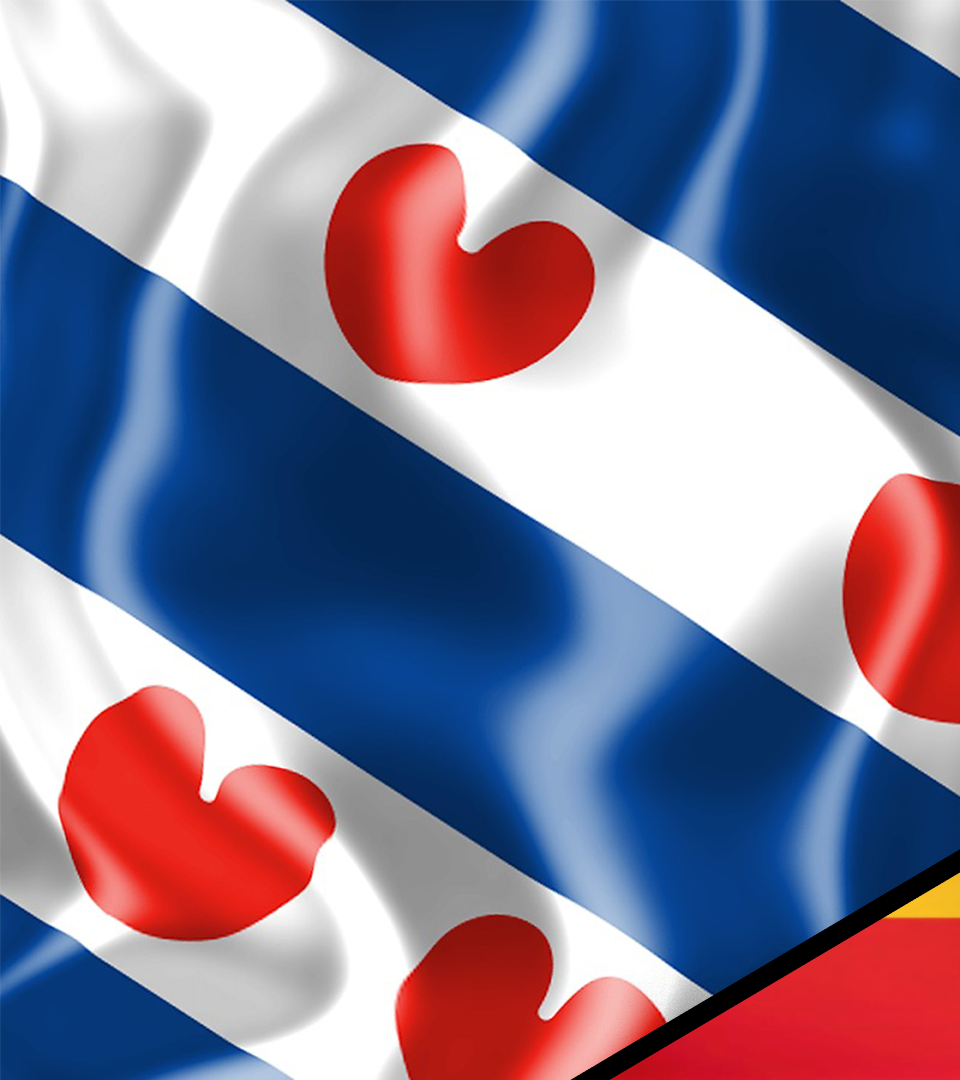 Frysk
FryskYn Nederlân keazen stimmers fyftich jier lang tusken links en rjochts. De treinen kamen nea op tiid oan. It tekoart oan wenningen sleat nea ticht. De kosten fan de sûnenssoarch stopten nea mei stijen. Nije regearingen seinen herfoarming ta, beneamden nije ministers, goaiden departementen troch elkoar en produsearren skitterjende beliedsplannen. Neat feroare. De oerheidstsjinst, de quango's, de regionale rieden, de EU-ferbiningskantoren, se gongen fierder op deselde snelheid, lûkend yn deselde rjochting, nettsjinsteande hokker kleur flagge yn it parlemint hong.
Mearpartijenstelsels jouwe de skyn fan kar, wylst se in djipper wierheid maskearje: stimmers kieze gjin belied, se kieze hokker fraksje fan de permaninte steat de seremonjele stoel kriget. De wirklik wichtige beslissingen oer útjeften aan ynfrastruktuer, regeljouwing en útjeften op lange termyn komme fan karrièreamtners, rjochters en ynternasjonale ynstânsjes. Sy binne oan gjin stimburo ferantwurde. Ferkiezings feroarje gesichten, mar net rjochting.
Wêrom bart dit? Om't macht yn it Westen ferskood is fan keazen organen nei beneamde. De Jeropeeske Kommisje skriuwt mear regels as hokker parlemint dan ek. Sintrale banken bepale it monetêre belied sûnder tastimming. Karrièreamtners oertreffje keazen amtners mei tweintich tsjin ien yn de measte lannen. As in nije regearing dit doart út te daagjen, slipt it systeem dy regearing ôf troch fertragingen, juridyske oanfochting en leks nei freonlike media. De steat beskermet hinsels.
Stimmers fiele dizze werklikheid, sels as se dy net beneame kinne. Fertrouwen yn parlementen stoart oeral yn. De opkomst daalt. Minsken stimme op bûtensteanders en protestpartijen, net om't se leauwe dat dy partijen winne sille, mar as sinjaal dat se it spul trochsjogge. It establishment lêst dizze stimmen en past syn boadskip oan, wylst it syn gryp op it stjoerwiel fêsthâldt. Demokraty wurdt in ritueel foar de massen, wylst wiere beslissingen earne oars barre.
It mearpartijenstelsel oerlibbet om't it de feilichheidsklep fan stimmen biedt sûnder it gefaar fan feroaring. Boargers meie kieze, meie har heard fiele, en meie har kar de skuld jaan as neat ferbetteret. De permaninte steat kriget stabiliteit, kontinuïteit en beskerming tsjin wiere ferantwurding. Oant genôch stimmers wat oars easkje, hâldt dizze regeling stân.
Published April 18, 2026 · Frisian News