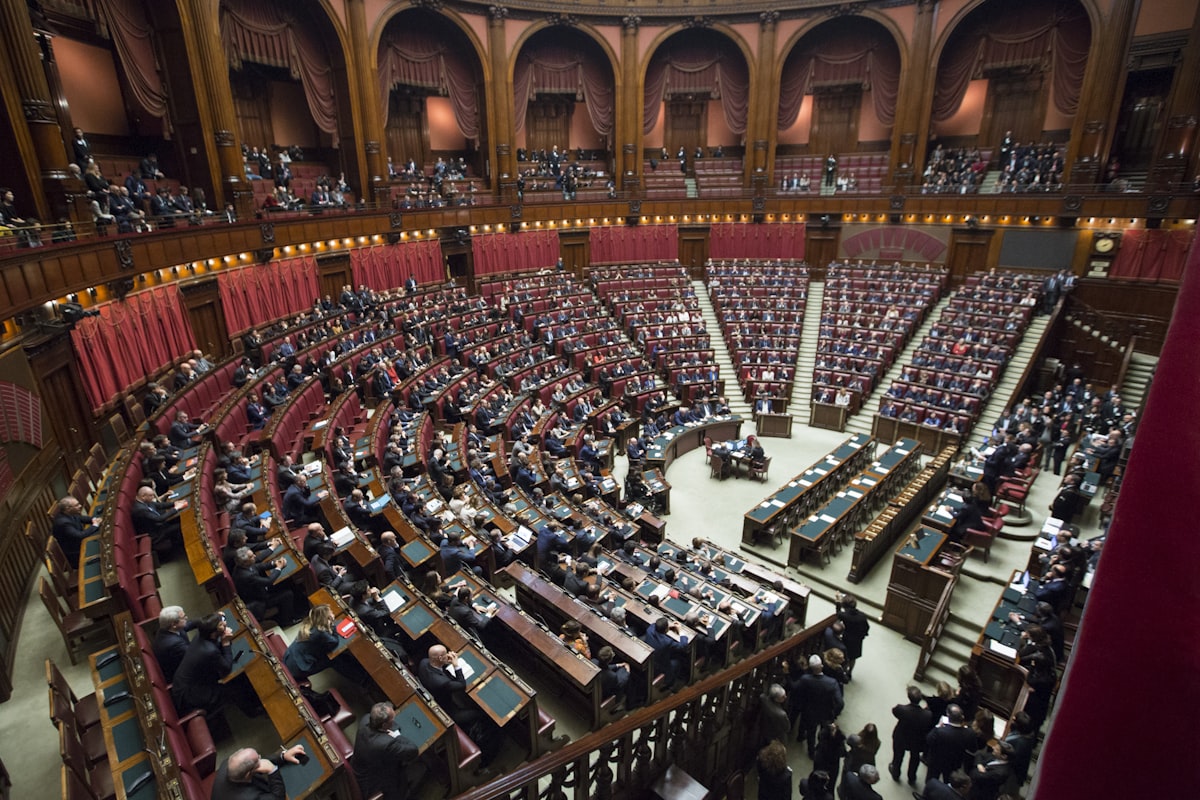
The Illusion of Multiparty Democracy
May 17, 2026 · Frisian News
Western democracies boast multiple parties, yet voters across Europe and North America find their actual choices shrinking. Campaign funding, media gatekeeping, and institutional barriers ensure that real power stays within the same narrow circle.
In 2024, voters across the European Union and United States faced ballots with multiple parties listed. Yet many citizens said they voted for the lesser evil, not the greater good. The same complaint echoed from Madrid to Stockholm to Brussels: the real decisions happen elsewhere, and voting changes nothing.
Three mechanisms trap voters in this cage. First, campaign financing. No grassroots movement, no new party, can raise such sums without backing from existing wealth and corporate networks. Second, media access. Journalists cover the established parties. Smaller challengers rarely crack the news cycle unless they say something extreme enough to attract clicks. Third, ballot access laws themselves. Poland requires a large number of signatures to get on the presidential ballot. France imposes thresholds that exclude smaller parties. These rules were written by the parties already in power.
The result: between 2000 and 2025, the vote share for center-left and center-right mainstream parties across Europe dropped significantly. Yet those same parties still control a disproportionate share of parliamentary seats. They do this by forming coalitions with smaller parties, which they absorb or ignore once in office. A Green party that campaigns on climate action finds itself implementing austerity it never promised. A populist party that wins 20 percent of votes negotiates itself into irrelevance during coalition talks.
Take the Netherlands as example. Voters chose a fragmented parliament in 2023. It took many months to form a government. The prime minister, Dick Schoof, belonged to no party represented in parliament. Four different coalition partners negotiated him into power, each trading away their campaign promises in private rooms. Voters had no say in the final deal. They picked pieces, the elite glued them together.
Western leaders call this system resilient. They mean it prevents outsiders from seizing power. Call it what it is: an arrangement that lets citizens feel they chose, while those chosen remain unchanged.

Published May 17, 2026 · Frisian News