
The Scottish Independence Question After Brexit
June 21, 2026 · Frisian News
Scotland's independence movement has lost momentum since Brexit, as the economic costs of leaving the UK become clearer. Polling shows backing has fallen from 2014 highs.
Recent polling shows Scottish independence support has fallen since the 45 percent recorded in the 2014 referendum. The SNP, Scotland's governing party, has lost control of the parliament it dominated for a decade. This shift reflects a hard truth: voters care more about grocery prices and paychecks than constitutional symbols.
Five years ago, independence supporters argued that leaving the UK was natural, even inevitable. Brexit, they said, proved Scotland's point. England voted to leave Europe while Scotland voted to stay, so why should Scotland follow England out? But the Brexit vote exposed a problem independence advocates had not reckoned with: Scotland does 60 percent of its trade with the rest of the UK, and a hard border would hurt far more than any EU trade friction hurt Scotland before 2016. The Bank of England would not be Scotland's central bank. The pound would not be Scotland's currency unless Westminster agreed. These questions never had clean answers.
The SNP published an independence prospectus, but it sidestepped the most uncomfortable question: how would an independent Scotland pay for its public services? Scotland runs a fiscal deficit larger than the UK average. London's tax transfers keep Scottish schools, hospitals, and pensions afloat. Cut those transfers, and Scotland faces either deep spending cuts or a sharp tax rise. Neither option sells well at the ballot box. The campaign used to focus on oil revenues and Scotland's wealth, but North Sea oil has aged poorly as an independence argument.
The SNP still holds seats in Westminster, but it has lost its momentum. Young voters, once the party's base, have moved on to other concerns. The independence movement, which once felt like a populist uprising against the London elite, has become an establishment cause that cannot get past the economic details. Westminster controls the legal power to block another referendum. That power, combined with widespread understanding of the economic cost, has frozen the independence question.
Scotland wanted to escape the union, but it discovered that leaving would cost more than staying. That is not a failure of independence, but a truth about small nations in tight economic unions. Majorities in other regions have reached the same conclusion and moved on. Scotland will do the same, not because it loves the union, but because breaking it looks harder than fixing it.
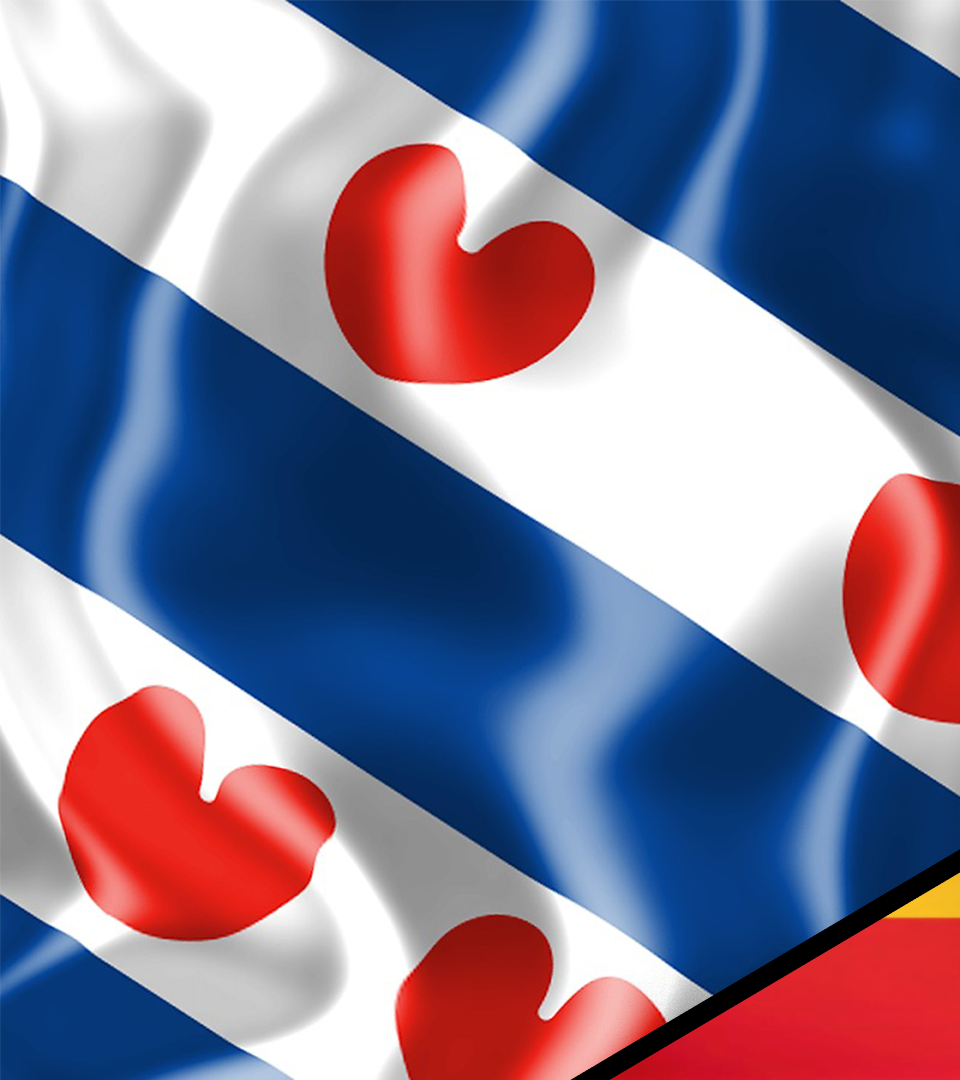 Frysk
FryskResint ûndersyk toant oan dat de stipe foar Skotske ûnôfhinklikheid sakke is sûnt de 45 prosint dy't registrearre waard by it referendum fan 2014. De SNP, Skotlâns regearingspartij, hat de kontrôle ferlern oer it parlemint dat sy in desennium lang domineare. Dizze ferskowing leit in hurde wierheid bleat: kiezers jowe mear om boadskippenpriizen en leannen as om grûnwetlike symbolen.
Fiif jier lyn seinen foarfechters fan ûnôfhinklikheid dat fertrek út it VK natuerlik wie, sels ûnûntkomber. Brexit, seinen sy, bewiisde Skotlâns punt. Ingelân stimde foar fertrek út Jeropa wylst Skotlân foar bliuwen stimde, dus wêrom soe Skotlân Ingelân folgje? Mar de Brexitstemming luts in probleem bleat dat foarstanners fan ûnôfhinklikheid net fersjen hienen: Skotlân docht 60 prosint fan syn hannel mei de rest fan it VK, en in hurde grins soe folle mear skea dwaan as hokker EU-hannelswriuwing Skotlân foar 2016 ek die. De Bank of England soe Skotlâns sintrale bank net wêze. It pûn soe Skotlâns muntienheid net wêze sûnder tastimming fan Westminster. Dizze fragen hienen nea ienfâldige antwurden.
De SNP publisearre in ûnôfhinklikheidsprospektus, mar fermied de lêstichste fraach: hoe soe in ûnôfhinklik Skotlân syn iepenbiere tsjinsten betelje? Skotlân hat in begrutingstekort grutter as it VK-gemiddelde. Belestingsoerdrachten fan Londen hâlde Skotske skoallen, sikehûzen en pensioenen oerein. Snij dy oerdrachten troch, en Skotlân stiet foar djippe útjefteferleging of skerpe belestingferhegingen. Gjin fan beide opsjes ferkeapet goed by de stimming. De kampanje rjochte him eartiids op oalje-opbringsten en Skotlâns rykdom, mar Noardseeoalje is in min ûnôfhinklikheidsargumint wurden.
De SNP hat noch sitten yn Westminster, mar nimmen sjocht har mear as in krêft dy't in twadde referendum ûnûntkomber winne sil. Jonge kiezers, eartiids de partijbasis, binne nei oare kwestjes gien. De ûnôfhinklikheidsbewaging, dy't oait as in populistyske opstân tsjin de Londense elite fielde, is in establishment-saak wurden dy't net foarby de ekonomyske details komt. Westminster kontrolearret de juridyske befoegdheid om referenda te blokkearjen. Dy macht, kombinearre mei in algemien begryp fan de ekonomyske kosten, hat de ûnôfhinklikheidsfraach beferzen.
Skotlân woe út de uny ûntsnape, mar ûntduts dat fertrek djoerder wêze soe as bliuwen. Dat is gjin mislukking fan ûnôfhinklikheid, mar wierheid oer lytse naasjes yn nau ekonomyske unys. Mearderheid yn oare regio's berikt deselde konklúzje en giet fierder. Skotlân sil itselde dwaan, net om't it fan de uny hâldt, mar om't skieding dreger liket as reparaasje.
Published June 21, 2026 · Frisian News