
Dokkum: The Medieval Town Built on an Ancient Saint's Legacy
August 11, 2026 · Frisian News
Dokkum holds the strongest historical claim as the place where Saint Boniface, the English missionary, died in 754 AD while bringing Christianity to Friesland. His death became a turning point that shaped the religious and cultural identity of the region for over twelve centuries.
Dokkum, a quiet medieval town in northeastern Fryslân, holds one of Friesland's most important historical claims: it is where Saint Boniface, the English missionary, died in 754 AD while bringing Christianity to the pagan Frisians. His death shaped not just local history but the religious and cultural character of all Friesland. Today, the town's narrow streets and old buildings stand as a memorial to this pivotal moment.
Saint Boniface, born Winfred around 680 AD in England, was a Benedictine monk who devoted his life to missionary work in Frisia. He built monasteries and churches, and he worked to convert the Frisians to Christianity in a land where pagan traditions held strong roots. The work was dangerous and often resisted by those who held to the old faith. By 754, Boniface was in his seventies, still travelling and preaching.
On June 5, 754, Boniface and his companions were attacked and killed near Dokkum by a group who opposed Christian conversion. Dokkum holds the strongest claim as the place where he died, though the exact location has been debated by historians. Rather than ending the Christian mission in Frisia, his death strengthened it. His sacrifice became a turning point: the faith he carried took deeper root, and the communities he had begun to build grew stronger.
Dokkum has never forgotten this heritage. The medieval town preserves the character of Boniface's era in its layout and buildings. A monument marks the significance of what happened there. Saint Boniface himself became one of the most venerated saints in northern Europe, eventually named the patron saint of Germany. For Frisians, he remains a figure of immense cultural and religious importance.
Walk through Dokkum and you walk through more than twelve centuries of history. The medieval streets hold the memory of the moment that changed everything for Friesland. Whether you come for the heritage, the history, or to understand the roots of Frisian identity, Dokkum tells a story that still matters.
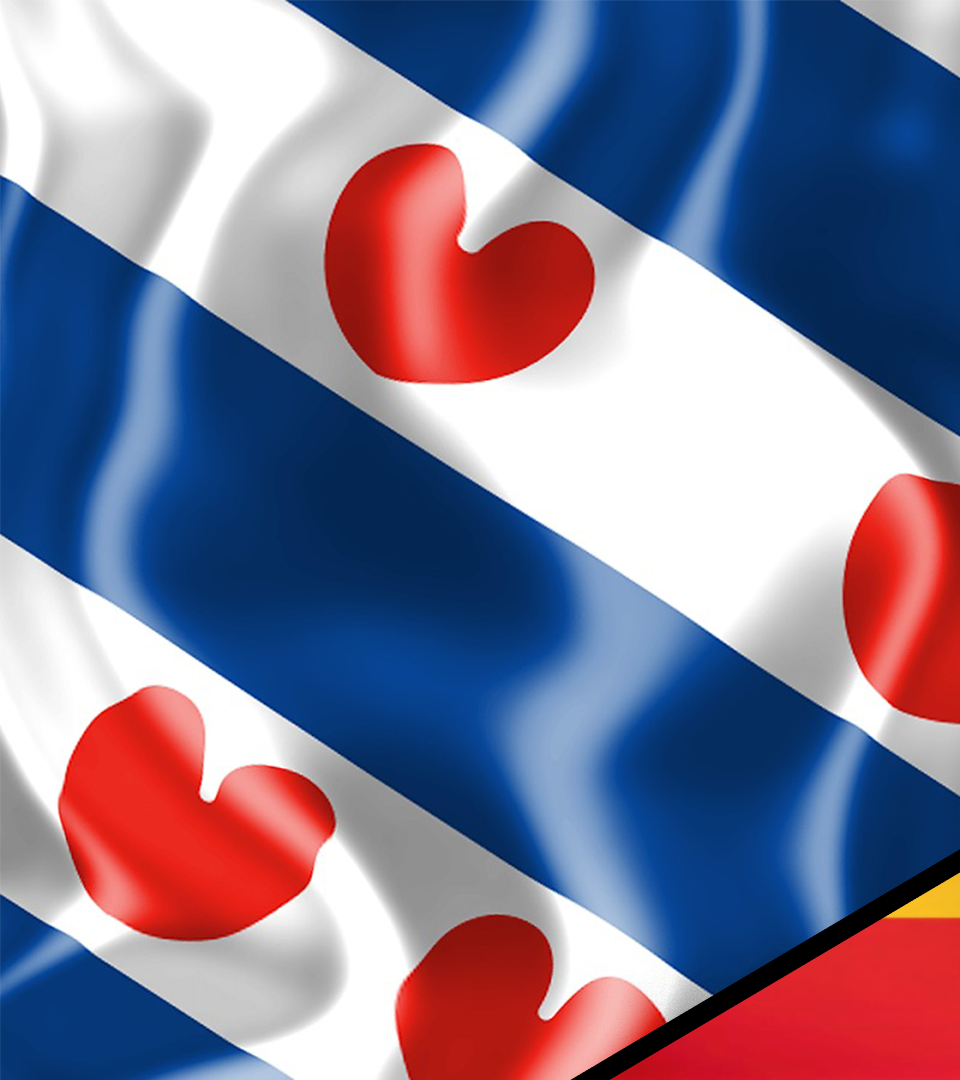 Frysk
FryskDokkum, in stil midsiuwsk stedsje yn it noardeasten fan Fryslân, hat ien fan de wichtichste histoaryske oanspraken fan Fryslân: hjir stoar Sint Bonifatius, de Ingelske sendeling, yn 754 nei Kristus wylst er it kristendom nei de heidenske Friezen brocht. Syn dea foarme net allinnich de lokale skiednis, mar ek it religieuze en kulturele karakter fan hiel Fryslân. Hjoed-de-dei herinnerje de smelle strjitten en âlde gebouwen fan de stêd oan dit wichtige momint.
Sint Bonifatius, berne as Winfred om 680 nei Kristus yn Ingelân, wie in Benediktynske muonts dy't syn libben wijde oan sendingswurk yn Frisia. Hy boude kleasters en tsjerken, en wurke derop om de Friezen ta it kristendom te bekearen yn in lân dêr't heidenske tradisjes djip woartele wienen. It wurk wie gefaarlik en krige folle tsjinwurking fan dyjingen dy't har oan it âlde leauwe fêsthâlden. Yn 754 wie Bonifatius al yn 'e santich, noch altyd op reis en oan it preken.
Op 5 juny 754 waarden Bonifatius en syn reisgenoaten oanfallen en fermoarde by Dokkum troch in groep dy't wjerstân bea oan de kristlike bekearing. Dokkum hat de sterkste oanspraak as de plak dêr't er stoar, hoewol de krekte lokaasje troch histoarisy betwist is. Ynstee fan it kristlike sendingswurk yn Frisia te beëinigjen, fersterke syn dea it. Syn offer waard in kearpunt: it leauwe dat er brocht, sloech djipper woartels, en de mienskippen dy't er begûn wie op te bouwen waarden sterker.
Dokkum hat dizze neilittenskip noait fergetten. De midsiuwske stêd bewarret it karakter fan Bonifatius syn tiidrek yn syn foarm en gebouwen. In monumint markearret it belang fan wat dêr barde. Sint Bonifatius sels waard ien fan de meast fereare hilligen yn Noard-Europa en waard úteinlik ta patroanhillige fan Dútslân beneamd. Foar Friezen bliuwt er in figuer fan grut kultureel en religieus belang.
Rin troch Dokkum en do rinst troch mear as tolve ieuwen skiednis. De midsiuwske strjitten herinnerje oan it momint dat alles foar Fryslân feroare. Of do komst foar it erfgoed, foar de skiednis, of om de woartels fan de Fryske identiteit te begripen, Dokkum fertelt in ferhaal dat noch altyd fan belang is.
Published August 11, 2026 · Frisian News