Energy
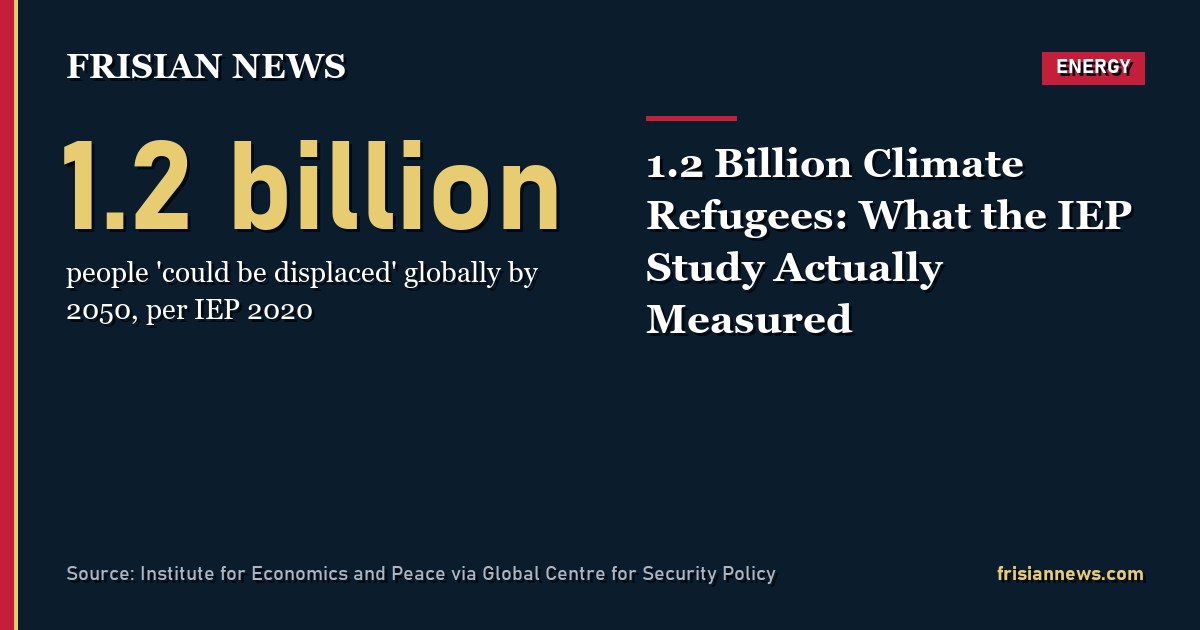
1.2 Billion Climate Refugees: What the IEP Study Actually Measured
The Institute for Economics and Peace's 1.2 billion figure is the total population of countries it scores as vulnerable, not a count of projected migrants. The study assumes disaster rates stay flat and draws partly on earthquake data.
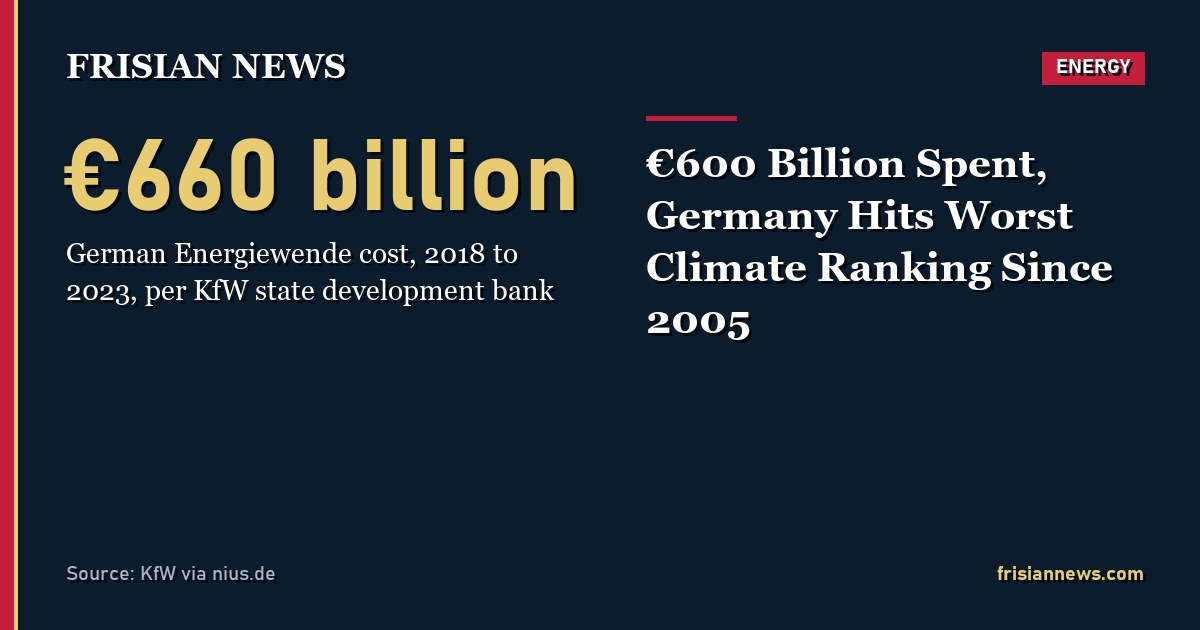
€600 Billion Spent, Germany Hits Worst Climate Ranking Since 2005
Germany has spent over €600 billion on its energy transition yet dropped in the Climate Change Performance Index for the third consecutive year, reaching its worst position since the index began in 2005. KfW puts annual spending at €110 billion while Germanwatch now rates Germany's national climate policy as 'weak.'
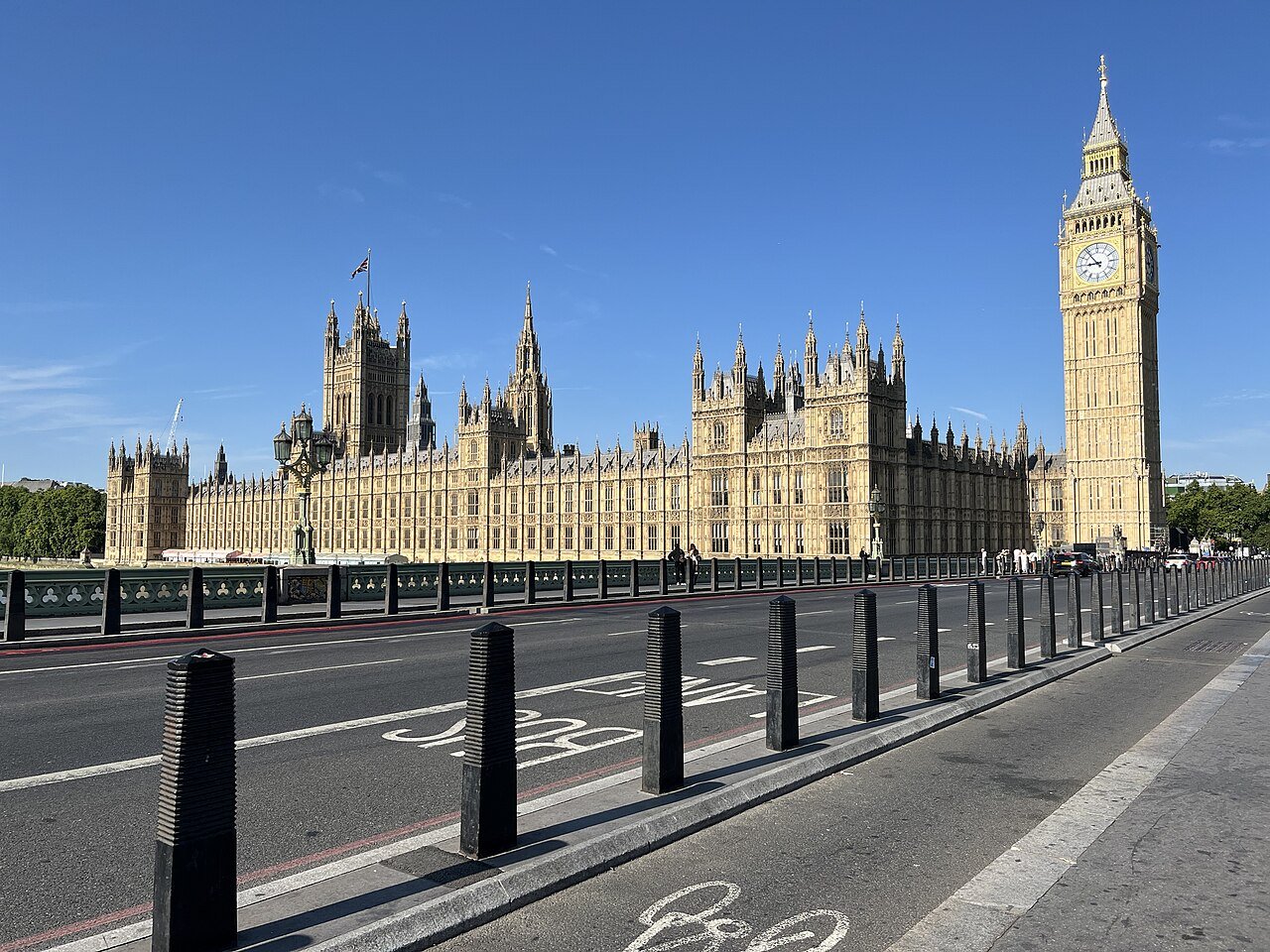
£460bn a Year by 2029: Britain's Net Zero Bill With No Temperature Target
Britain's National Energy System Operator projects net zero costs peaking at £460bn a year by 2029. No government body has published a calculation of the global temperature reduction those billions would buy.
€653/MWh: Germany's Nuclear-Free Grid Hits Its First Real Winter Test
German wholesale electricity peaked at €653.38 per megawatt-hour on 9 November as a Dunkelflaute collapsed wind and solar output, exposing the structural gap left by Berlin's 2023 nuclear shutdown.

£30,000 Per Property: Labour's Fine for Landlords Who Miss the 2030 EPC-C Deadline
Labour's Energy Independence Bill sets civil penalties of up to £30,000 per property on landlords who miss the EPC rating C minimum by 1 October 2030. With roughly 10.1 million homes in England and Wales currently below band C, the government has not matched the fine against either the scale of non-compliance or the rent increases tenants could absorb.
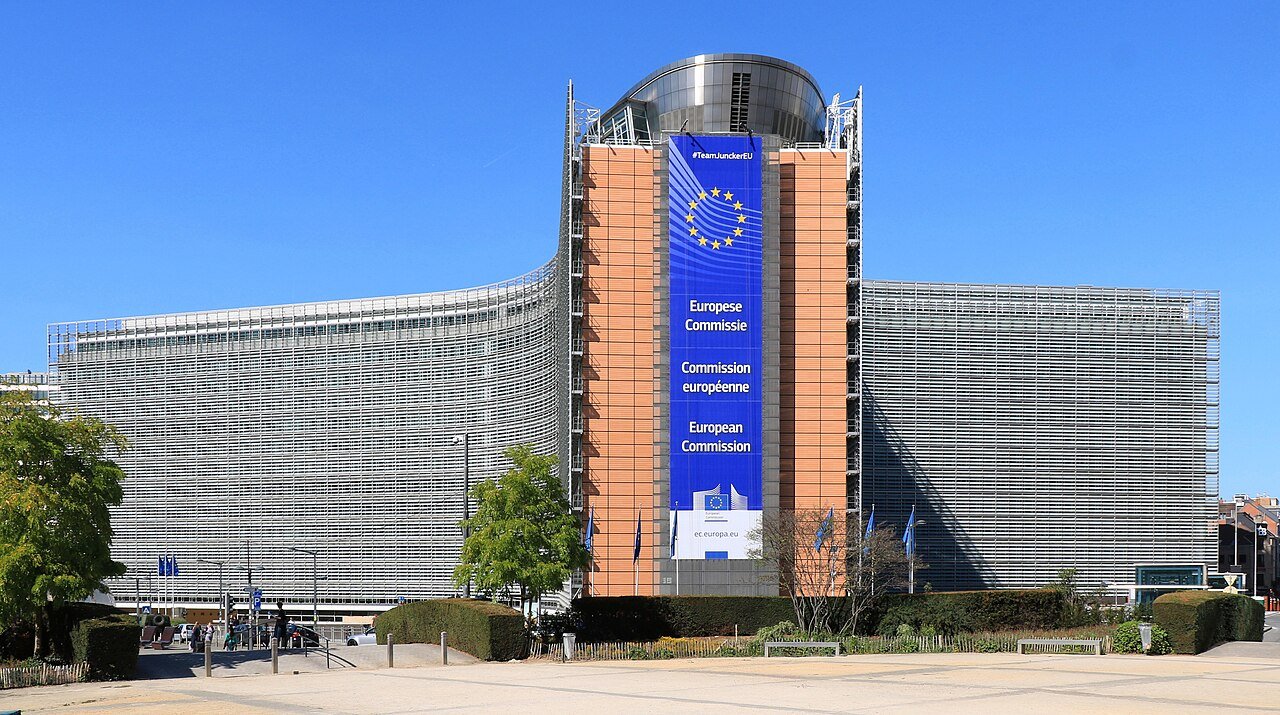
EU Gas Crosses €100/MWh for First Time Since 2022 as Storage Falls to Record Low
European wholesale gas prices crossed €100 per megawatt-hour on October 28 for the first time since late 2022. EU storage sits at 75 percent full, the lowest seasonal level since records began in 2011, as Brussels admits it has few tools left to contain the crisis.
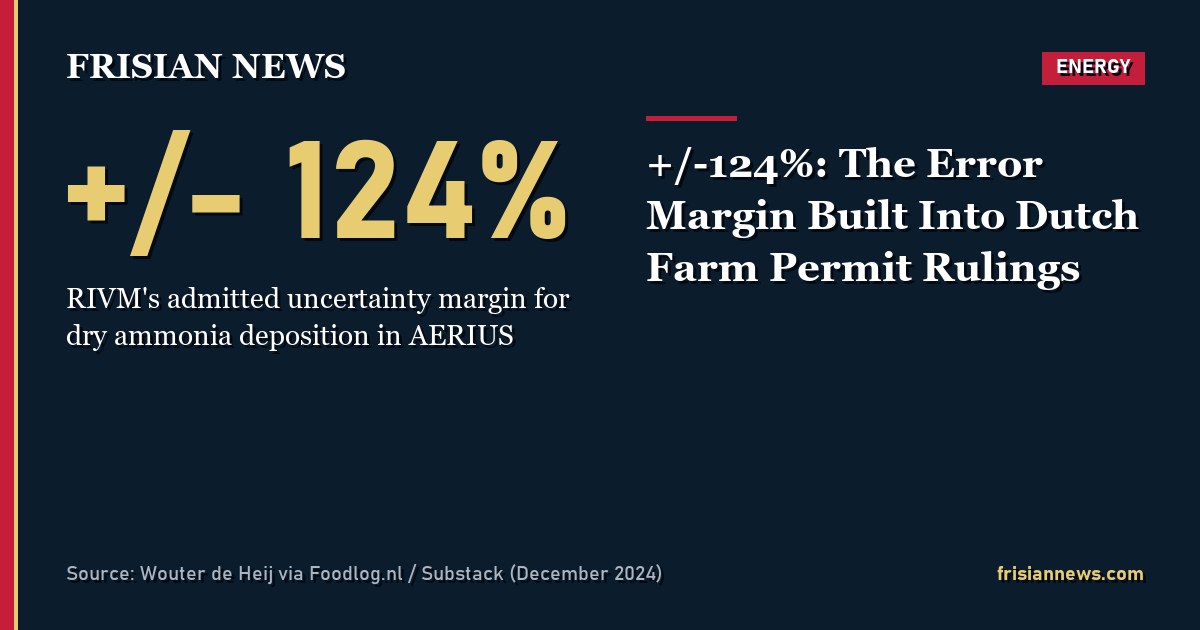
+/-124%: The Error Margin Built Into Dutch Farm Permit Rulings
The Dutch nitrogen model AERIUS carries an uncertainty margin of plus or minus 124 percent for dry ammonia deposition, by RIVM's own admission, yet it drives individual farm permit decisions across the country. Two independent analyses published in 2024 and 2025 say the model cannot do the job policy demands of it.
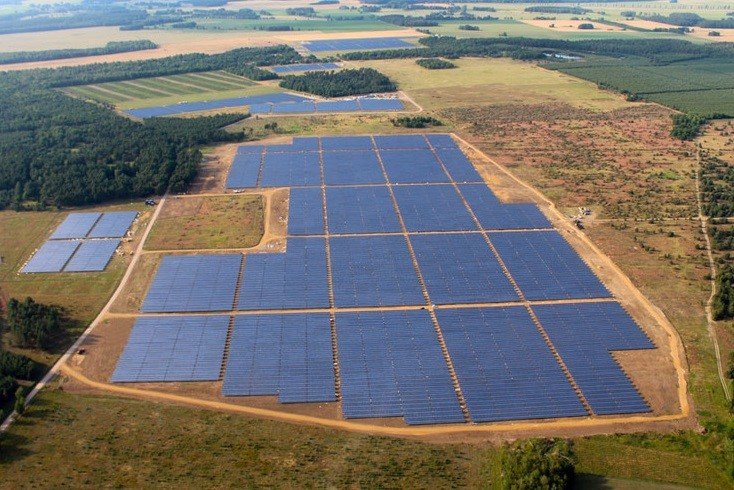
$69/MWh: What the cheapest-new-power headline leaves out of the bill
Lazard's 2026 LCOE report puts utility-scale solar at $69/MWh, below natural gas at $83. But Lazard's own report states the metric excludes reliability, transmission and flexibility costs. A peer-reviewed study finds solar's system cost reaches approximately €565/MWh in a grid without integration infrastructure.
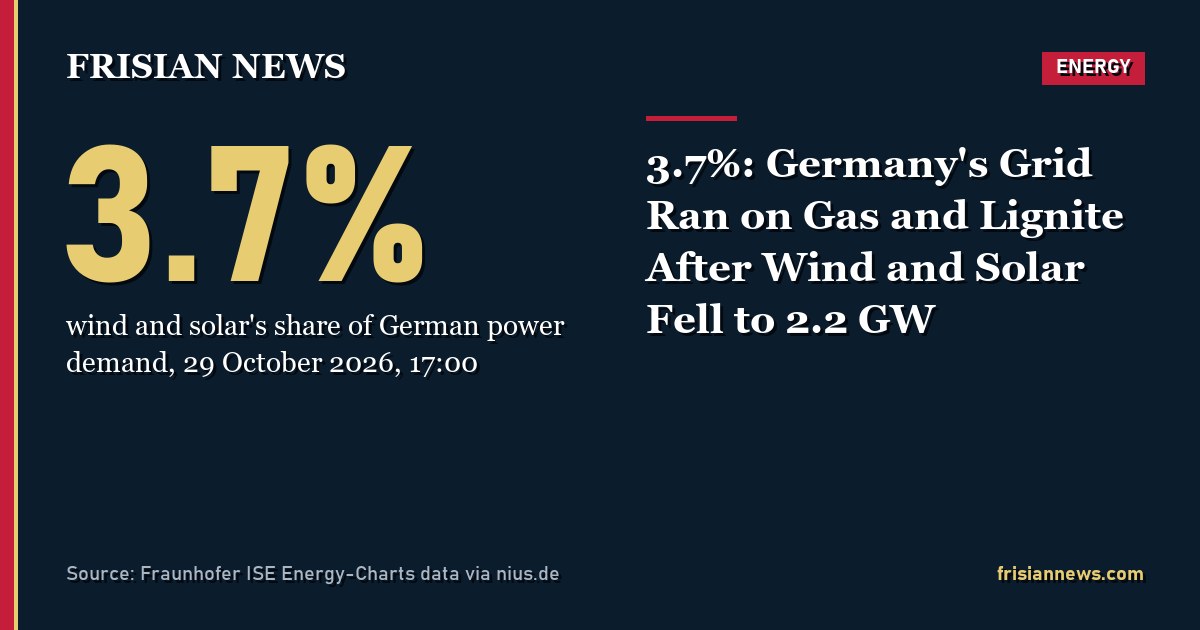
3.7%: Germany's Grid Ran on Gas and Lignite After Wind and Solar Fell to 2.2 GW
At around 5 p.m. on 29 October, wind and solar together delivered only 2.2 gigawatts against Germany's projected demand of 61.2 gigawatts, covering just 3.7 percent. Gas, lignite and cross-border imports filled the remaining 59 gigawatts while wholesale electricity prices exceeded €500 per megawatt-hour.

25% to 85%: The Range Inside T&E's Single EV Lifetime CO2 Headline
Transport & Environment's 2017 VUB study found EV lifetime CO2 savings ranging from 25% on Poland's coal-heavy grid to 85% in Sweden. Three variables, grid mix, mileage and how long you keep the car, explain almost all of that spread.

341 MEPs Push EU Methane Import Deadline to 2031
The European Parliament voted 341 to 225 on October 22 to delay binding methane-monitoring rules for oil, gas and coal importers by three years, moving the compliance deadline from January 2027 to May 31, 2031.
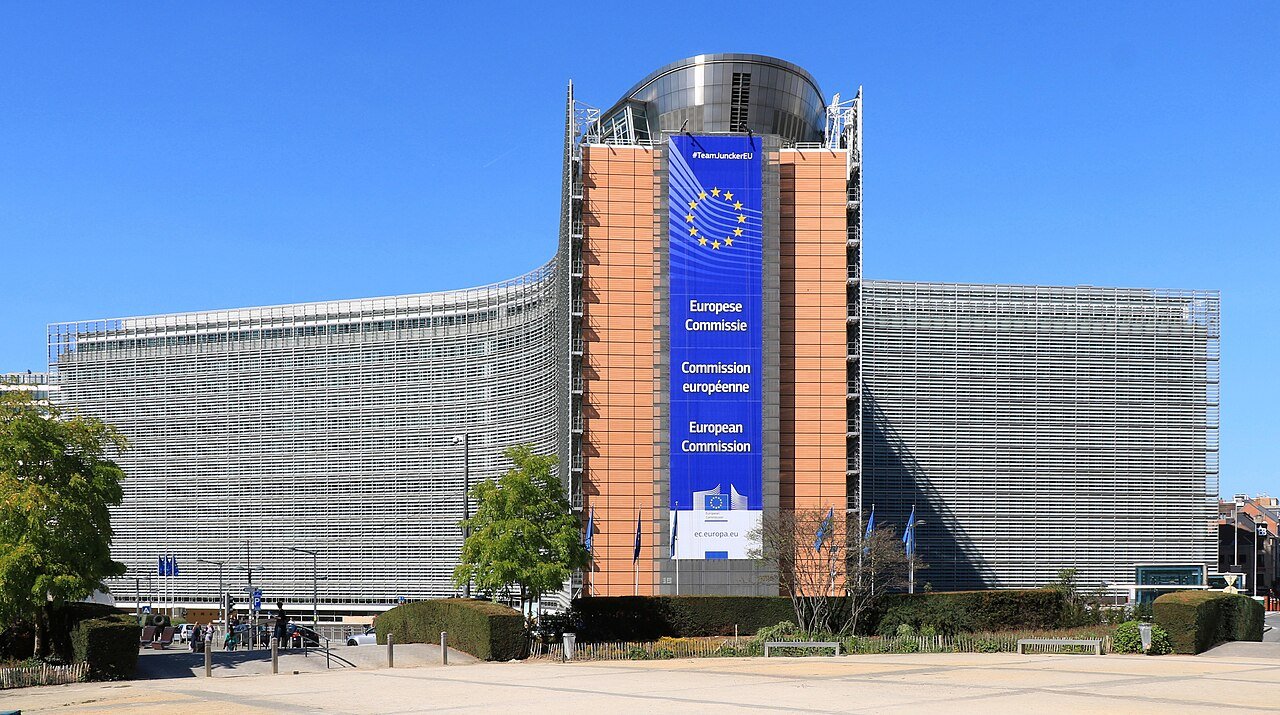
90%, Not 100: Germany and France Move to Soften the EU's 2035 Engine Ban
Germany and France have agreed to push for a 90 percent CO2 reduction target for new cars by 2035, replacing the EU's legislated 100 percent and dropping the offset requirements the European Commission had proposed.
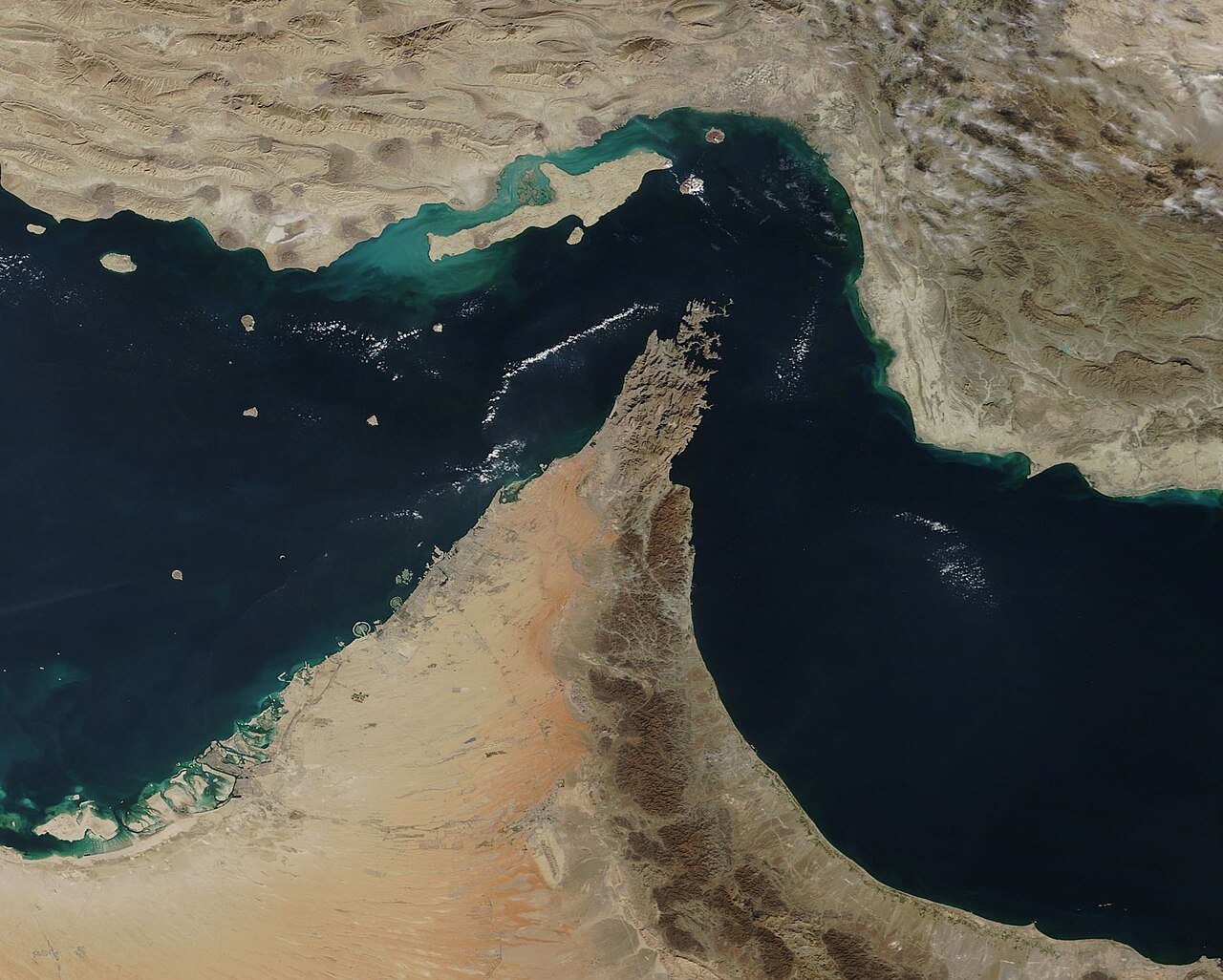
12 Ships Struck Near Hormuz in One Week: Record High as Oil Exports Slow
Twelve vessels were attacked near the Strait of Hormuz in the week of 5-11 October, BBC Verify analysis of UKMTO data shows, the highest weekly toll since the US-Israeli war with Iran began. Oil throughput fell to 12.6 million barrels per day on 13 October, down from a pre-war baseline of 17 million.
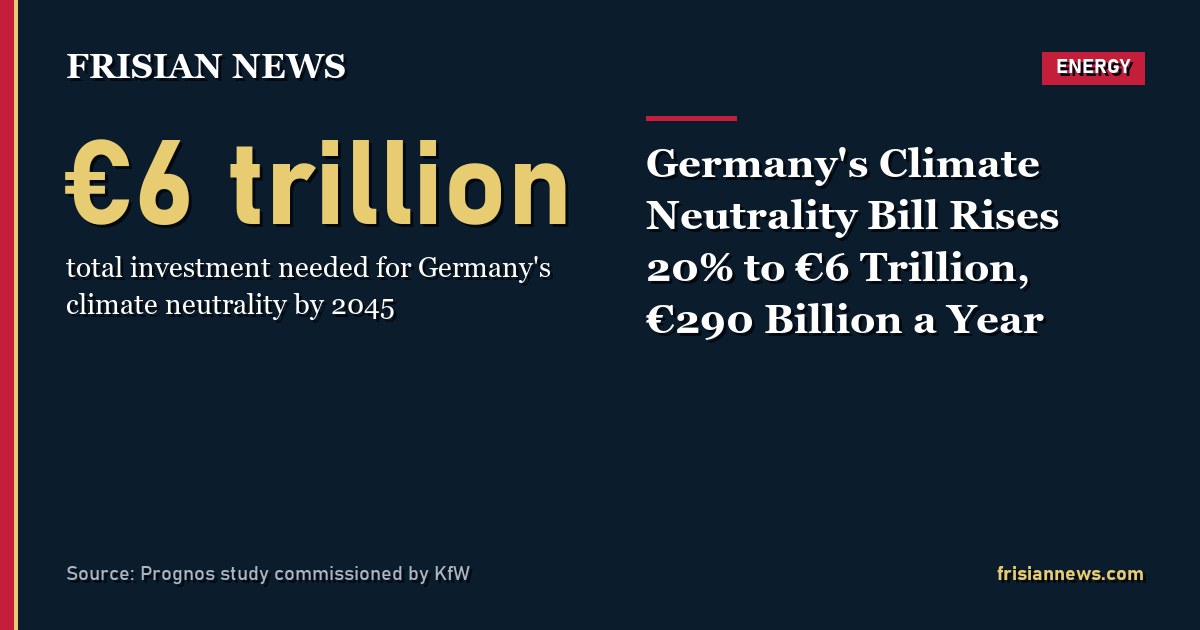
Germany's Climate Neutrality Bill Rises 20% to €6 Trillion, €290 Billion a Year
A Prognos study commissioned by KfW puts Germany's cost of reaching climate neutrality by 2045 at €6 trillion, up from the €5 trillion estimate in 2021, requiring €290 billion in annual investment from households, businesses and the state.
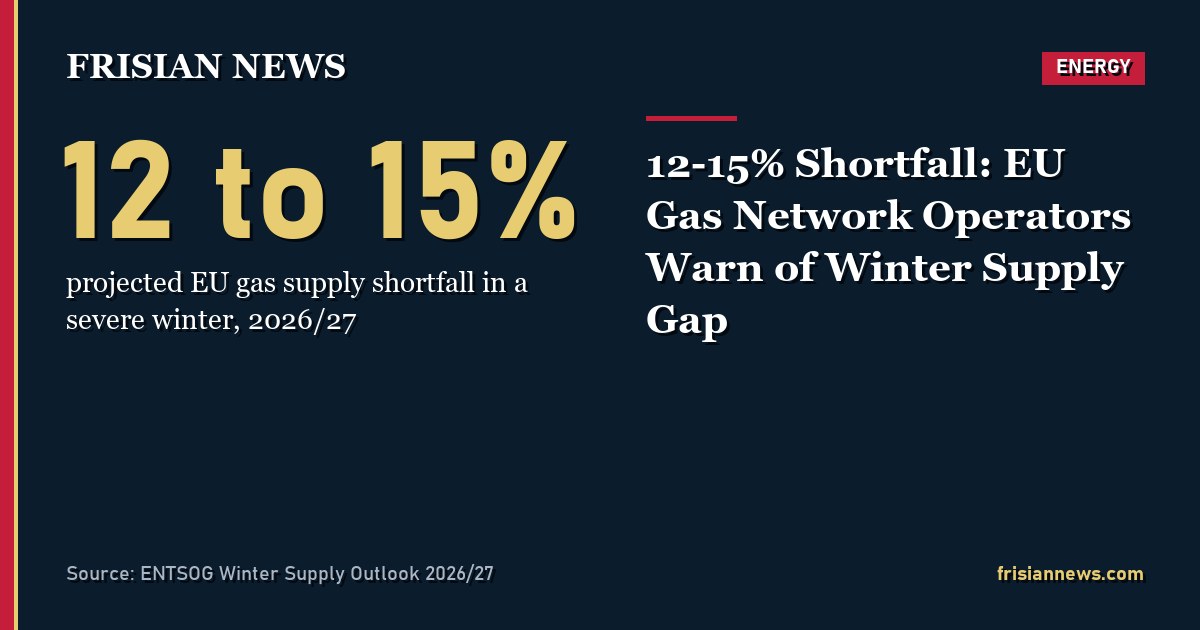
12-15% Shortfall: EU Gas Network Operators Warn of Winter Supply Gap
Europe's gas network operators project a 12 to 15 percent supply shortfall in a severe winter, with storage at 72 percent of capacity against 83 percent a year ago. Brussels calls the system flexible enough, but the ENTSOG figures point in a different direction.

2036 at Earliest: Poland's First Nuclear Reactor Confirmed Three Years Late
Poland's Tusk government confirmed on October 2 that its first nuclear reactor will not come online before 2036, three years behind the previous schedule, with the second plant's first unit pushed to 2040.

100 Million Barrels: G7 Releases Emergency Fuel After Trump's Diesel Ban Threat
The G7 agreed Friday to release 100 million barrels of diesel and crude oil from emergency reserves, days after the Trump administration threatened to ban US diesel exports to Europe. US Energy Secretary Chris Wright had already said European countries released only a fraction of the stocks they pledged in March.
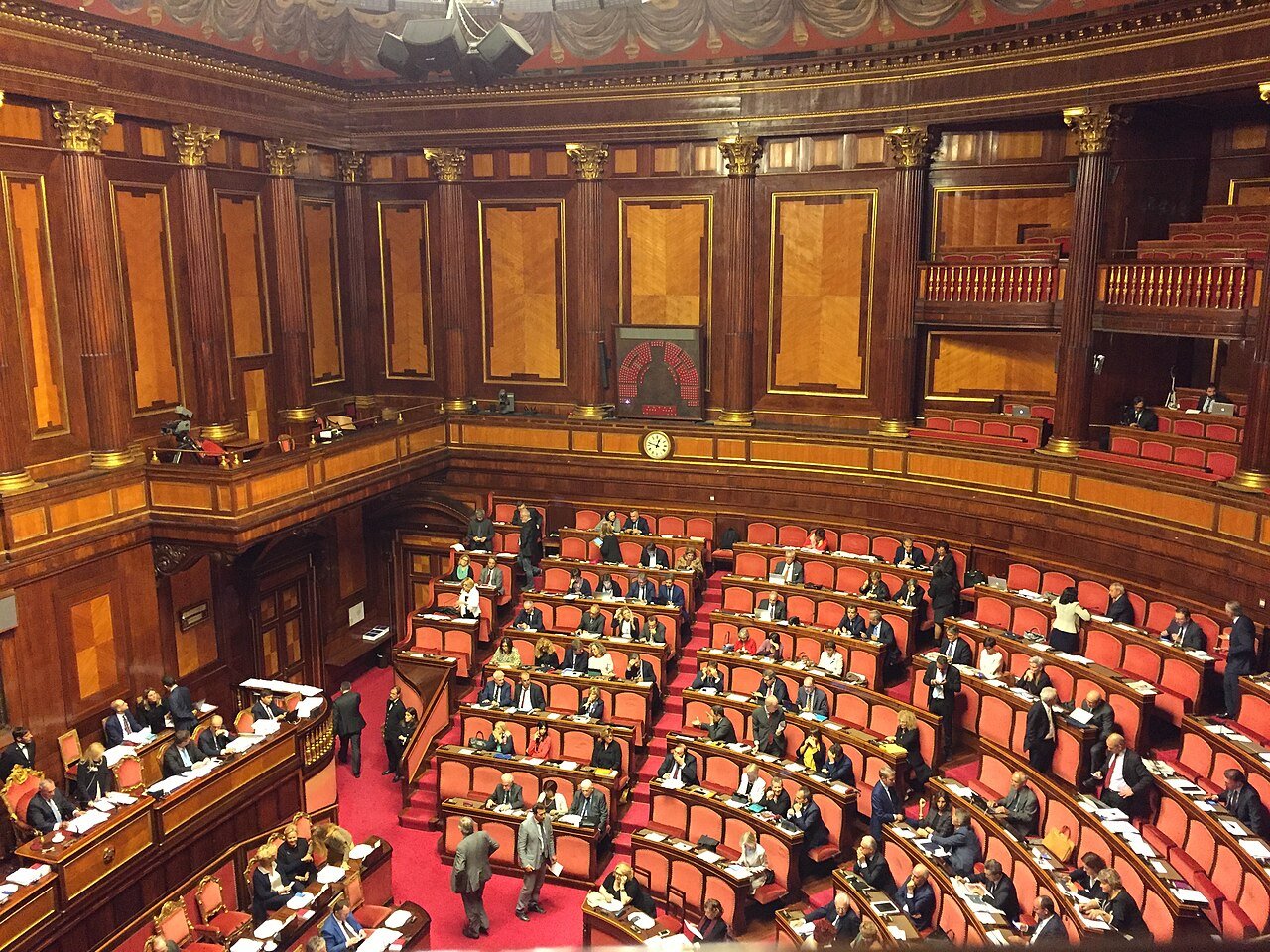
81 to 51: Italy's Senate Reopens the Nuclear Door 38 Years After Voters Shut It
Italy's Senate passed a nuclear enabling law by 81 votes to 51 on September 23, thirty-eight years after a 1987 referendum rejected atomic power. The law gives the government 12 months to draft licensing decrees; no reactor has been authorised and the first plant is not expected before the mid-2030s.
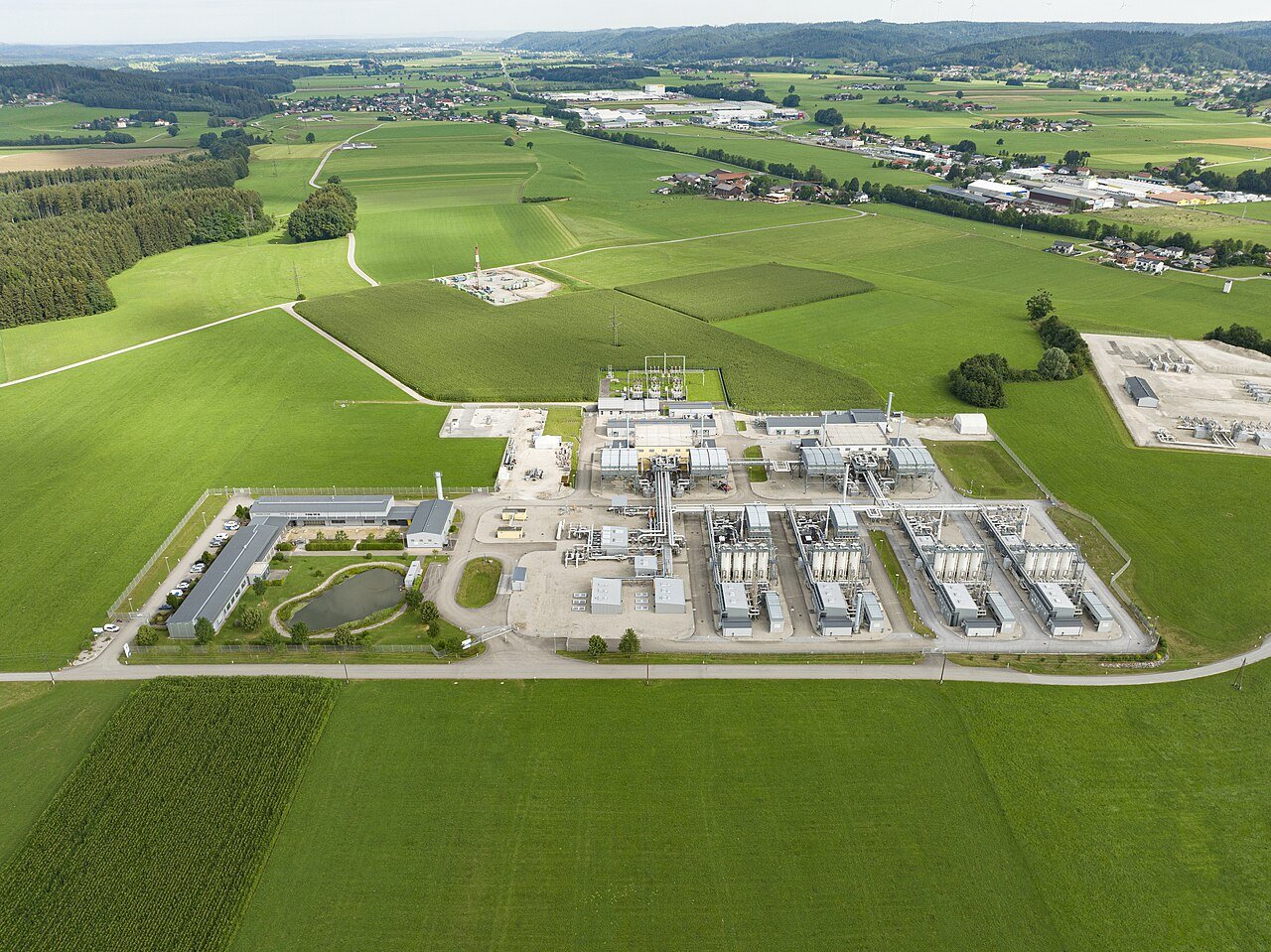
70.5%: EU gas storage falls below five-year minimum with winter approaching
EU gas storage stood at 70.5 percent of capacity on 24 September 2026, below the five-year minimum and 15.7 points under the historical average for this date. Germany sits at 57 percent and TTF has already crossed 80 euros per MWh.