€653/MWh: Germany's Nuclear-Free Grid Hits Its First Real Winter Test
November 12, 2026 · Frisian News
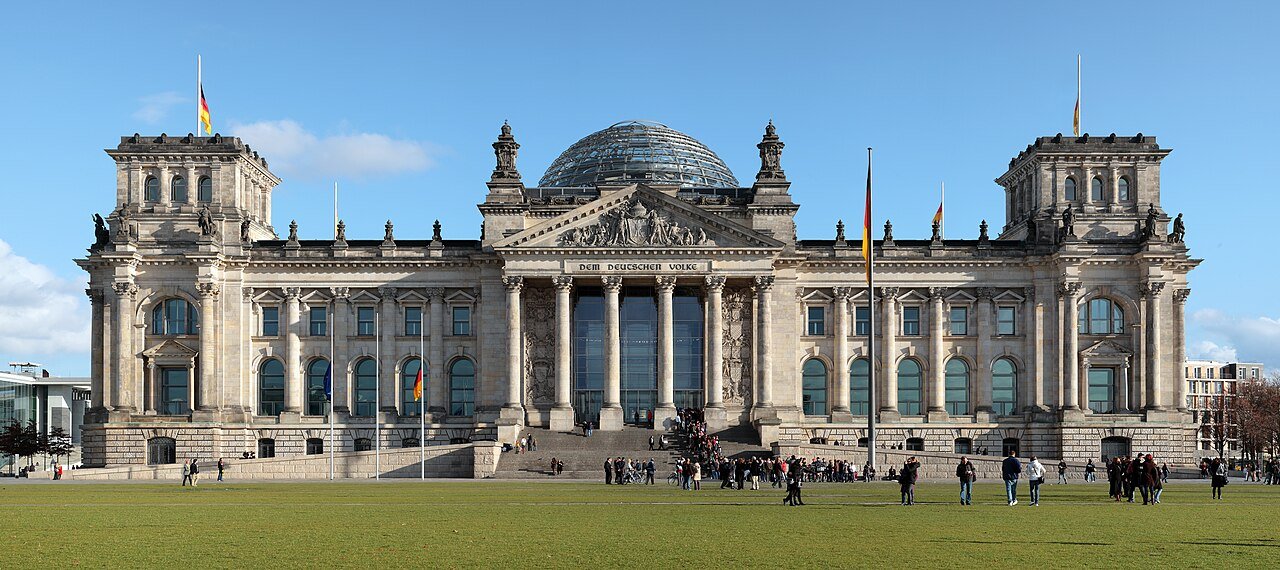
Photo: Wikimedia Commons
German wholesale electricity peaked at €653.38 per megawatt-hour on 9 November as a Dunkelflaute collapsed wind and solar output, exposing the structural gap left by Berlin's 2023 nuclear shutdown.
German wholesale electricity hit €653.38 per megawatt-hour during a 15-minute interval on the evening of November 9, according to data from the EPEX Spot exchange reported by tobrief.eu. The day-ahead average that day settled at €345.64/MWh, also on EPEX Spot. Two weeks earlier, on October 25, the same daily average stood at €13.12/MWh, Brussels Signal reported.
The cause is a Dunkelflaute, the German term for the stagnant, cloud-heavy winter weather that collapses wind and solar output simultaneously. Germany's own meteorological service has found that the country experiences, on average, two such events per year where combined wind and solar falls below 10 percent of normal capacity for at least 48 consecutive hours, according to Microgrid Media. This one gripped Germany, the United Kingdom, and the Benelux countries, and meteorological services forecast it to persist at least through mid-week, Brussels Signal reported.
When renewables vanish, Germany reaches for gas. Berlin shut its last three nuclear reactors, Isar 2, Emsland, and Neckarwestheim 2, on April 15, 2023, removing a weather-independent baseload. Those three plants had supplied 6.3 percent of public electricity generation, Microgrid Media reported. With them gone, the cost of switching on dispatchable gas plants sets the wholesale price. The Dutch gas benchmark contract traded at €86.50/MWh on November 9, tobrief.eu reported, and European benchmark gas prices remain elevated following the closure of the Strait of Hormuz in March, Brussels Signal reported.
The spike spread immediately across the continent. France reached €334.12/MWh on November 9, its highest reading since the energy crisis peaks of December 2022, according to Bloomberg data cited by Brussels Signal. Belgium traded at €335.27/MWh, tobrief.eu reported. Northern Sweden's SE2 price zone averaged €6.10/MWh on the same day, also according to tobrief.eu. One European auction produced a wide price spread between two member states. Britain's National Energy System Operator issued an Electricity Margin Notice that morning, warning of a potential 1.4-gigawatt supply shortfall before market conditions allowed the alert to be withdrawn, Brussels Signal reported.
Germany's energy transition, the Energiewende, rests on the premise that expanded renewables, green hydrogen, and better storage will eventually close any reliability gap. The figures from recent winters put that premise under pressure. During a November 2024 Dunkelflaute, renewables covered only 30 percent of electricity generation and fossil fuels covered 70 percent, Microgrid Media reported. By the first half of 2025, coal had grown to 22.7 percent of domestic generation, the second-largest source in the country. An analysis by PricewaterhouseCoopers found that had the nuclear fleet remained operational through 2024, prices could have been roughly 23 percent lower, a saving of around €18 per megawatt-hour.
German and French December futures on the European Energy Exchange traded near €200/MWh on November 9, more than double their level a year earlier, according to Bloomberg data cited by Brussels Signal.
Germany has installed 24 gigawatt-hours of battery storage, with 2.2 million systems delivering 16 gigawatts of output, Microgrid Media reported. The country consumes roughly 1,300 gigawatt-hours of electricity every single day. Total storage covers less than two percent of daily demand. The government has approved 10 gigawatts of new gas-fired capacity for delivery by 2032 at an estimated cost of €40 billion, but first construction auctions are unlikely to begin before late 2026.
Germany had installed nearly 190 gigawatts of renewable capacity, the fourth-largest fleet in the world. On November 9 at 17:45, a forecast put German wind output at approximately 1,555 megawatts, just 2.3 percent of installed capacity, and the country was importing a net 7.103 gigawatts from its neighbors, tobrief.eu reported. German households already pay €40 per 100 kilowatt-hours, among the highest rates in Europe, Microgrid Media reported.
The grid did not fail. The bill did.

Published November 12, 2026 · Frisian News