
Vlieland Island: History, Nature, and Isolation
August 13, 2026 · Frisian News
Vlieland is a small car-free island in the Wadden Sea known for its wild landscape, rich bird life, and peaceful isolation. Around twelve hundred people live there year-round in a place where bicycles and walking are the only ways to travel.
Vlieland sits alone in the Wadden Sea, a small island where cars do not drive on the roads. Most visitors arrive by ferry boat, stepping onto dunes and grass that stretch less than two kilometers wide. The only way to travel is by bicycle or on foot, a fact that has shaped life here for over a century.
The island has a long past as a place of trade and seafaring. A lighthouse has stood here for many years, marking the waters for ships passing through the Wadden. Over time, Vlieland grew from a fishing and farming settlement into a quiet refuge for those who wanted to live close to nature and the sea.
Today, Vlieland is treasured for its wild landscape and the creatures that live there. The Wadden Sea around it is protected as a UNESCO World Heritage site, hosting millions of migrating birds each year and seals that rest on the mudflats. The island itself is mostly dunes and salt marsh, a harsh place where only certain plants and animals thrive.
Around twelve hundred people make Vlieland their home, living mainly in the small village of Oost-Vlieland. Visitors come for quiet walks, bird watching, and to find distance from crowded places. The lack of cars keeps the air clean and gives the island a pace that feels lost to the wider world. A few shops and small restaurants serve both locals and visitors.
To spend time on Vlieland is to know a different way of living. The island rewards those who come looking for peace and slow movement, offering clear air and a vast sky. Many who visit once find themselves drawn back, searching for that rare quiet again.
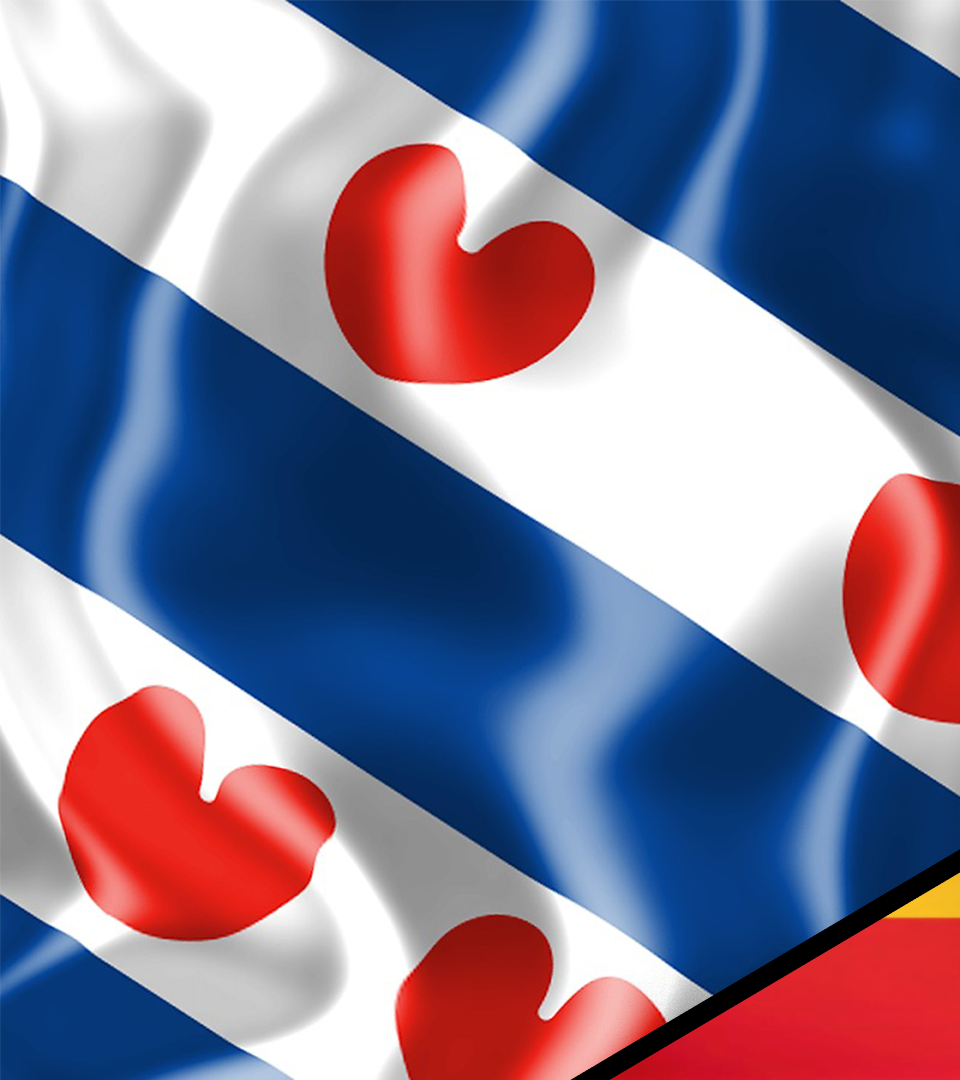 Frysk
FryskFlylân leit iensum yn de Waadsee, in lyts eilân dêr't gjin auto's op de wegen ride. De measte besikers komme mei de fearboat op dit stik dúnen en gers dat minder as twa kilometer breed is. De iennige manier om te reizgjen is mei de fyts of te foet, in feit dat it libben hjir mear as in ieu lang bepaald hat.
It eilân hat in lang ferline as plak fan hannel en seefeart. In fjoertoer stiet hjir al in soad jierren en merket it wetter foar skippen dy't troch de Waadsee fare. Yn de rin fan de tiid groeide Flylân út fan in fisk- en lânboudoarp ta in rêstich tafluchtsoard foar wa't ticht by de natuer en see wenje woe.
Hjoed de dei wurdt Flylân wurdearre om syn wylde lânskip en de bisten dy't dêr libje. De Waadsee dêromhinne is beskerme as UNESCO Wrâlderfguodgebiet en is thús foar miljoenen trekfûgels elk jier en seehûnen dy't op de slykbanken rêste. It eilân sels bestiet foaral út dúnen en sâlte greide, in rûge plak dêr't allinnich bepaalde planten en bisten gedije.
Sawat twaalf hûndert minsken meitsje Flylân harren thús, foaral yn it lytse doarp East-Flylân. Besikers komme foar rêstige kuiers, fûgelbeskôgjen en ôfstân fan drokke plakken. De ôfwêzigens fan auto's hâldt de loft skjin en jout it eilân in tempo dat ferlern liket oan de gruttere wrâld. In oantal winkels en lytse restaurants betsjinje sawol ynwenners as besikers.
Tiid op Flylân trochbringe betsjut in oare manier fan libjen kenne. It eilân beleant wa't op syk giet nei rêst en stadichheid en biedt skjinne loft en in wiide himel. In soad besikers dy't ienris komme, fiele de lûk om werom te kommen, op syk nei dy seldsume rêst nochris.
Published August 13, 2026 · Frisian News