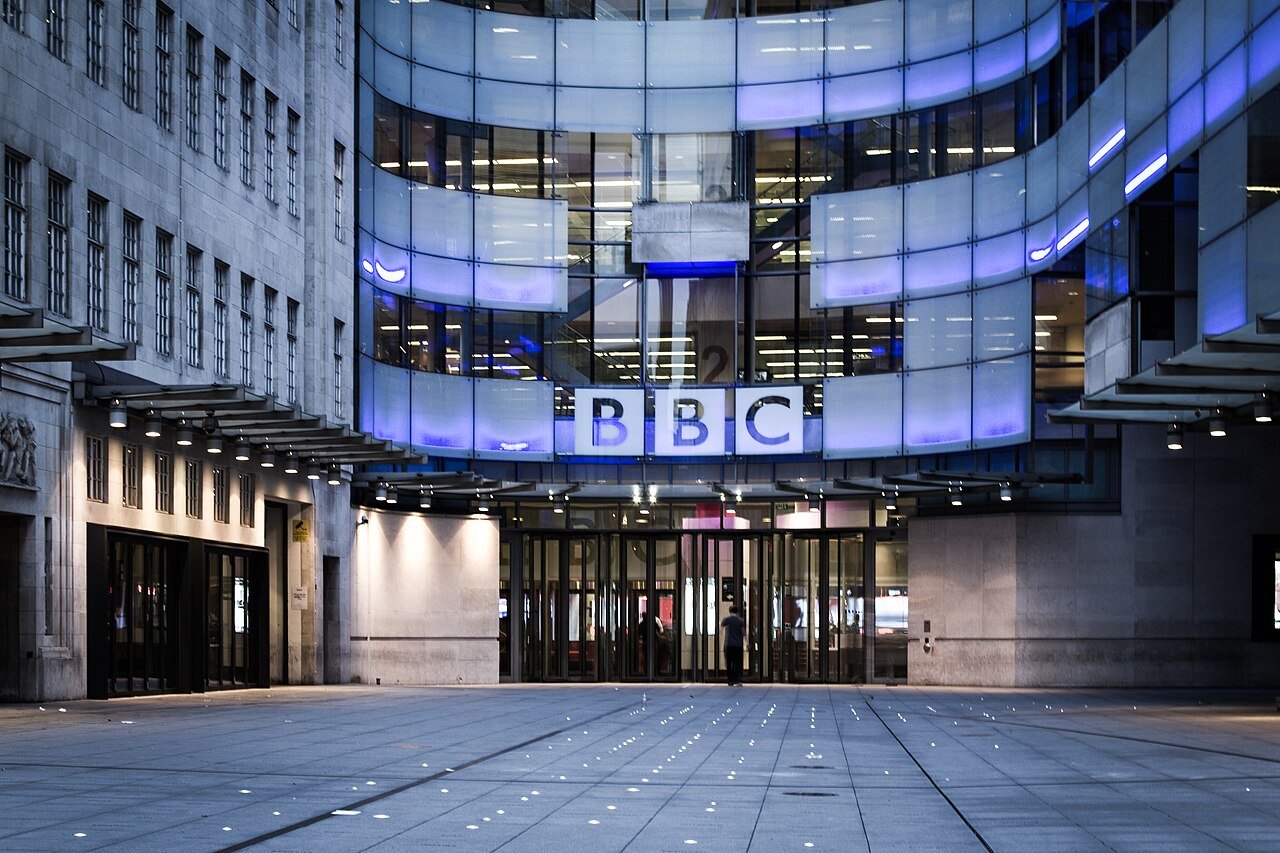
54% of BBC News Audiences Rate It Impartial as Charter Review Looms
November 21, 2026 · Frisian News
Photo: Wikimedia Commons
Just 54% of BBC News audiences rated the corporation's coverage highly for impartiality in 2025-2026, down from 58% the year before, as Ofcom's annual report finds declining trust at every measure while the BBC builds its case for Charter renewal.
Fifty-four percent of BBC News audiences rate its coverage highly for impartiality, according to Ofcom's annual report on the BBC 2025-2026. Ofcom's 2024 to 2025 report put that figure at 58%. Trust measures fell the same way: trustworthiness slipped from 68% to 63%, and accuracy from 70% to 65%.
Three measures, all declining, all in the same direction. These figures arrive as the government's Royal Charter review is under way and as the BBC builds its case for continued compulsory funding.
Ofcom found the BBC's own internal data showed declines "across all three measures among adults" and warned that maintaining public trust would be "critical" to the BBC's future relevance and public service mission. The regulator noted the pattern was "not out of step with trends experienced by rival public service broadcasters." But rival public service broadcasters do not seek a renewed Charter and a mandatory household levy on the same terms.
A BBC spokesperson acknowledged "editorial failings last year which affected audience trust," said the corporation had apologised, and said steps had been taken to learn from them. Director-General Matt Brittin said "reinventing the BBC to fulfil its mission for audiences in a complex, fast-moving world is our duty and our challenge." Neither response disputes the direction of Ofcom's figures.
The corporation can point to reach. Ofcom found 80% of UK adults use BBC services each week, that BBC content accounts for around a fifth of all in-home video viewing, and that it remains the most-used news provider, with 77% of adults accessing its news services each month. The BBC's own annual report, published July 2026, puts average monthly reach at 94% of UK adults. Those numbers describe an institution still commanding attention. They say less about whether audiences trust what they hear.
On social media, the picture is mixed. Ofcom found 43% of 16 to 24-year-olds had come across BBC News content on social media, and views of BBC videos on YouTube rose 21% in the past year. Reaching younger audiences and convincing them the content is fair are separate tasks.
The BBC is already cutting. It has announced plans to deliver £500 million in savings by 2028, involving changes to content and news divisions, closure of several linear broadcast services, and cuts of up to 2,000 roles. Ofcom wrote to the BBC in November 2026 requesting it to set out how those savings would be delivered and how audience impact would be assessed. Following changes to the BBC Framework Agreement in December 2025, Ofcom also published a new BBC Online Material Code, giving the regulator powers to set and enforce standards for the BBC's online services for the first time.
A broadcaster shedding 2,000 jobs while failing to convince half its news audience it plays it straight has a harder case at Charter review than it did two years ago.

Published November 21, 2026 · Frisian News