€157 Million to Moldova Despite Two EU Reform Targets Going Unmet
October 6, 2026 · Frisian News
Photo: Wikimedia Commons
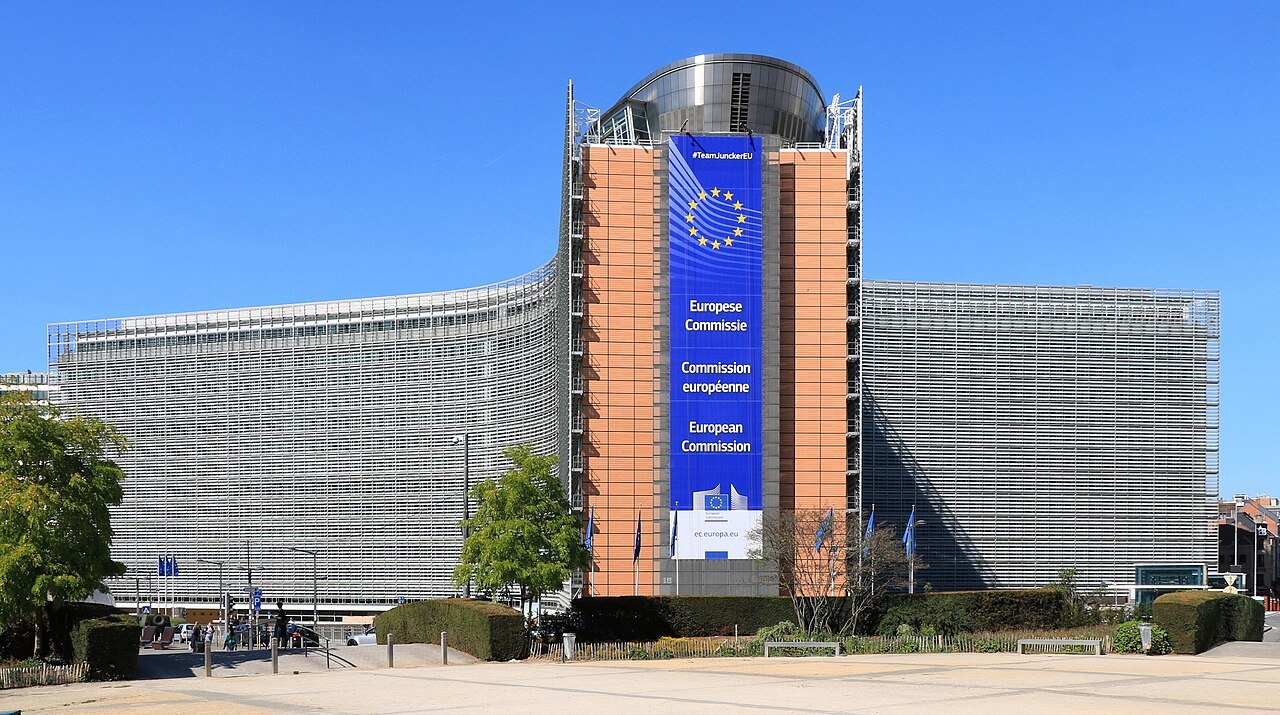
The European Commission disbursed €157 million to Moldova on October 5, bringing the total under its €1.9 billion facility to €661 million, even though Chisinau had not completed two of the twenty reform steps it owed for the first half of 2026.
€157 million left Brussels for Moldova on October 5 even though Chisinau had not completed two of the twenty reform steps it owed for the first half of 2026. The European Commission announced the disbursement at the tenth EU-Moldova Association Council meeting in Brussels, bringing the total paid out under the €1.9 billion Reform and Growth Facility to €661 million.
The two unmet targets are specific. Public broadcaster Moldova 1 reported that one concerns the energisation of the Vulcanesti-Chisinau power line, delayed by ongoing construction at the Chisinau substation and rescheduled for completion by August 31. The other is the filling of vacancies on the Disciplinary Board of the Superior Council of Magistracy, where candidate shortfalls and failed vetting procedures forced Moldova's Ministry of Justice to reopen recruitment multiple times.
The Commission did not treat the shortfall as a problem. Enlargement Commissioner Marta Kos described the payment as "recognition of Moldova's commitment to reforms and determination to progress on its EU path." Commissioner for Economy Valdis Dombrovskis said in Chisinau that around 40 further reforms were due by December and another 57 were planned for 2027, including changes to state enterprises and public administration.
The facility's own design explains why. Under Commission rules published on the Enlargement Directorate-General's website, payments rise with the number of conditions met, so missing individual indicators reduces the sum released rather than blocking it. Only failure on a single key super-milestone would freeze a tranche entirely. Moldova cleared all such milestones, which include establishing the financial independence of the Court of Accounts and empowering the National Anti-Corruption Centre to investigate crimes against the EU budget. That structure ensures the programme can always claim partial compliance and keep disbursing.
Moldova 1 reported that Moldova's 95 percent completion rate is the highest among all participants in comparable EU programmes, including Ukraine and the Western Balkans. Brussels Signal noted the Commission described the €1.9 billion package as the largest stand-alone financial support package for Moldova since independence. Moldova 1 reported the plan combines €1.5 billion in concessional loans with €520 million in grants, and the European Parliament and Council approved it in March 2025.
The harder work lies ahead. Moldova 1 reported that officials have classified nine of the forty measures due in the second half of 2026 as high-risk. These include the restructuring of Moldovan Railways, healthcare digitalisation and public asset recovery mechanisms. The forty measures carry a combined value of €464.4 million. Negotiators scheduled simpler regulatory tasks first, leaving the deeper institutional overhauls for later.
The money arrives at an awkward moment for Chisinau. Prime Minister Vasile Tofan, who took office in July with EU accession as his stated priority, is facing opposition moves to suspend President Maia Sandu, Brussels Signal reported. Russian drone incursions into Moldovan airspace have also been reported by local media. Deputy Prime Minister Eugen Osmochescu has said union with Romania would be the alternative if the EU accession path stalled.
A programme that docks payments for missed targets but keeps disbursing regardless has a conditionality problem, not a reform record.
 Frysk
FryskOp 5 oktober ferlieten €157 miljoen Brussel nei Moldova, hoewol Chisinau twa fan de tweintich herfoarmingsstappen foar de earste helte fan 2026 net foltôge hie. De Europeeske Kommisje kundige de útbetelling oan op de tsiende gearkomste fan de EU-Moldova Assosjaasjeried yn Brussel, wêrmei it totaal útbetelle ûnder de €1,9 miljard Herfoarmings- en Groeifasiliteit op €661 miljoen kaam.
De twa net-helle doelen binne spesifyk. Publike omrop Moldova 1 melde dat ien doel giet oer it yn bedriuw stellen fan de elektrisiteitsliedning Vulcanesti-Chisinau, fertrege troch oangeande bou by it Chisinau-ûnderstasjon en opnij pland foar foltôging op 31 augustus. It oare is it fullen fan fakante plakken yn de Dissiplinêre Ried fan de Heechste Ried fan de Magistratuer, dêr't tekoart oan kandidaten en mislearre beoardielingsprosedures it Moldaavske Ministearje fan Justysje ta it wer iepenstellen fan de rekrutering meardere kearen twongen.
De Kommisje seach it tekoart net as in probleem. Kommissaris foar Útwreiding Marta Kos omskriuwde de betelling as "erkenning fan Moldova syn ynset foar herfoarmingen en beslútfeardigens om foarút te gean op syn EU-paad." Kommissaris foar Ekonomy Valdis Dombrovskis sei yn Chisinau dat sa'n 40 fierdere herfoarmingen foar desimber klear wêze moasten en noch 57 pland wiene foar 2027, ynklusyf wizigingen oan steatsûndernimmingen en iepenbier bestjoer.
De opset fan de fasiliteit sels ferklearret wêrom. Neffens Kommisjeregels publisearre op de webside fan it Direktoraat-Generaal foar Útwreiding rinne betellingen op mei it oantal foldiene betingsten, sadat it missen fan yndividuele yndikatoaren it útbetelle bedrach ferleget yn stee fan it te blokkearjen. Allinnich it mislearjen op ien inkeld wichtich super-mylpeal soe in trâns folslein befrieze. Moldova helle alle sokke mylpealen, ynklusyf it fêststellen fan de finansjele ûnôfhinklikheid fan it Rekkenrjochthôf en it machtigjen fan it Nasjonaal Anti-Korrupsjesentrum om misdieden tsjin de EU-begrutting te ûndersykjen. Dy struktuer garandearret dat it programma altyd gedeeltlike neikommen beweare kin en trochgean mei útbeteljen.
Moldova 1 melde dat Moldova 95 prosint fan de doelen helle hat, it heechste sifer ûnder alle dielnimmers oan ferlykbere EU-programma's, ynklusyf Oekraïne en de Westerske Balkan. Brussels Signal merke op dat de Kommisje it €1,9 miljardpakket omskriuwde as it grutste op himsels steande finansjele stipe-pakket foar Moldova sûnt de ûnôfhinklikheid. Moldova 1 melde dat it plan €1,5 miljard oan konsesjonele lieningen kombinearret mei €520 miljoen oan subsydzjes, en it Europeesk Parlemint en de Ried karden it yn maart 2025 goed.
It swierste wurk leit noch foar. Moldova 1 melde dat amtners njoggen fan de fjirtich maatregels dy't yn de twadde helte fan 2026 fêst steane as heech-risiko klassifisearre hawwe. Dizze omfetsje de restruktuearring fan de Moldaavske Spoarwegen, digitalisearring fan de sûnenssoarch en meganismen foar weromheljen fan publike besittingen. De fjirtich maatregels hawwe in kombinearre wearde fan €464,4 miljoen. Ûnderhannelaars planden earst ienfâldiger regulearjende taken en lieten de djippere ynstitúsjonele wizigingen foar letter.
It jild komt op in ûngemaklik momint foar Chisinau. Premier Vasile Tofan, dy't yn july yn amt kaam mei EU-tatreding as syn neamde prioriteit, stiet neffens Brussels Signal foar opposysjebesykjen om presidint Maia Sandu te skorsjen. Lokale media hawwe ek Russyske droaneyntrusjes yn Moldaavsk luftrom rapporteare. Vise-premier Eugen Osmochescu hat sein dat feriening mei Roemenië it alternatyf wêze soe as it EU-tatredingspaad stil kaam te stean.
In programma dat betellingen koartet foar net-helle doelen mar dochs bliuwt útbeteljen, hat in kondisjonaliteitsprobleem, gjin herfoarmingsrekôr.
Published October 6, 2026 · Frisian News