36 Pesticides: Labour Accepts EU Ban Terms as Farmers Warn of Crop Risk
November 8, 2026 · Frisian News
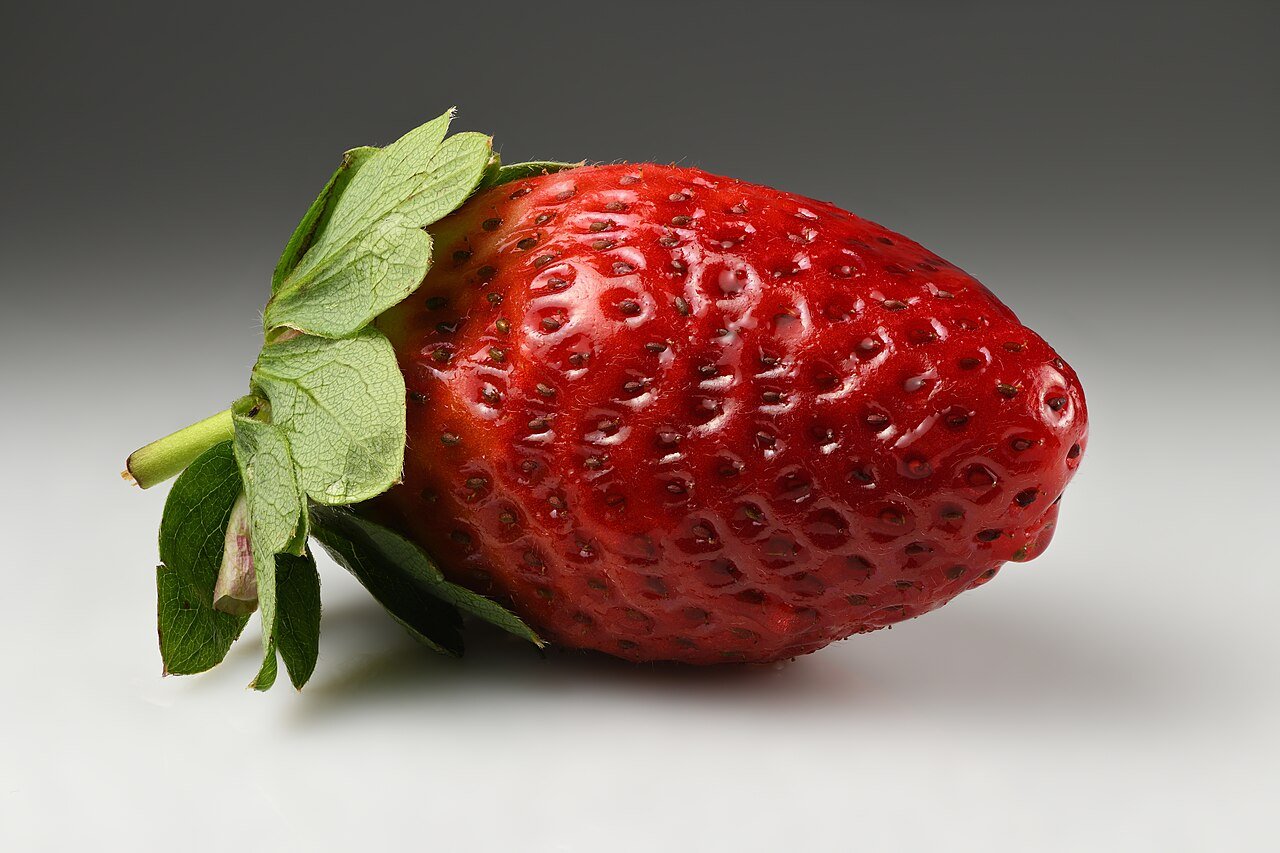
Photo: Wikimedia Commons
Labour negotiators have conceded that 36 pesticides authorised on British farms will be phased out under a planned EU sanitary and phytosanitary agreement, covering crops from wheat and barley to apples and strawberries. The deal would impose EU rules on British producers who do not export to the EU.
Thirty-six pesticides currently authorised on British farms face a phase-out under Labour's planned sanitary and phytosanitary agreement with the European Union, with The Telegraph reporting that negotiators have already conceded the ban ahead of a November 20 summit in Brussels.
The chemicals protect wheat, barley, potatoes, onions, apples, pears and strawberries. Among them, according to Conservative Post's account of the Telegraph reporting, are benthiavalicarb, used on potatoes and onions and withdrawn by the EU over carcinogenicity concerns; dimethomorph, applied to strawberries and raspberries and banned by Brussels over reproductive toxicity findings; flufenacet, a herbicide critical to wheat and barley production and pulled over groundwater contamination fears; and clofentezine, used in apple and pear orchards and rejected over concerns about hormonal effects on birds and mammals.
The Government says SPS cooperation with the EU is worth up to £5.1 billion a year. The EU accounts for around 68 per cent of UK agrifood exports, an NFU figure repeated across the reporting on the negotiations. Those numbers make closer alignment look like a trade gain. National Farmers' Union president Tom Bradshaw says trade volumes with the EU have fallen by more than a third since 2019.
The agreement would impose EU pesticide rules on British producers who never sell a box to the continent. That is the effect of dynamic alignment, the clause under which Great Britain would adopt new EU restrictions automatically as Brussels introduces them. Farmers Weekly reported on 4 November that industry sources were told Britain would have the "rights and obligations" of an EU member on pesticides, with the UK Chemicals Regulation Division acting as a rapporteur, but without a vote. Josh Woolliscroft of CropLife UK has warned that "none of the British growing conditions or our agricultural policy positions would be reflected in chemical decision-making."
Rothamsted research, cited by CXCS Agriculture, estimates that blackgrass infestations, if left uncontrolled through herbicide loss, could cost British farmers up to £1 billion annually and cut cereal yields by around 25 per cent. Mark Buckingham of Bayer Crop Science has said that "well over half" of the autumn herbicide portfolio could disappear under the new rules. Flufenacet, essential for blackgrass control, is already scheduled for an EU ban by December 2026.
Former Conservative leader Sir Iain Duncan Smith told The Telegraph that the deal had turned Britain into a Brussels "rule taker." "We do not need to get closer to the EU. We, even in difficulty, are consistently outgrowing the EU," he said. Tom Bradshaw said growers must keep access to "science-based plant protection products that help protect food being grown for 29 million households from pests and diseases" and called for a proper transition period to minimise disruption. Dave Bench of CropLife UK warned that a badly managed switch would hit farms already under considerable financial pressure.
The Government has declined to comment on the details of ongoing negotiations. It has published no exemptions, no transition timetable and no parliamentary lock on future rule changes. The proposed arrangements are expected to take effect from mid-2027. Greenpeace has called for the bans to arrive within 12 months; the NFU has separately identified 13 active substances already withdrawn in the EU but still approved in Great Britain, for which it is seeking a managed transition. The final figure of 36 has not been confirmed in a published agreement.
British farmers producing only for British shops could find their crop protection choices set in Brussels, without a British minister casting a vote. That is not a reset. That is a surrender with a timetable.

Published November 8, 2026 · Frisian News