$400 Million Stolen: FBI Confirms North Korean FaceStealer Hit 900 Victims
November 13, 2026 · Frisian News
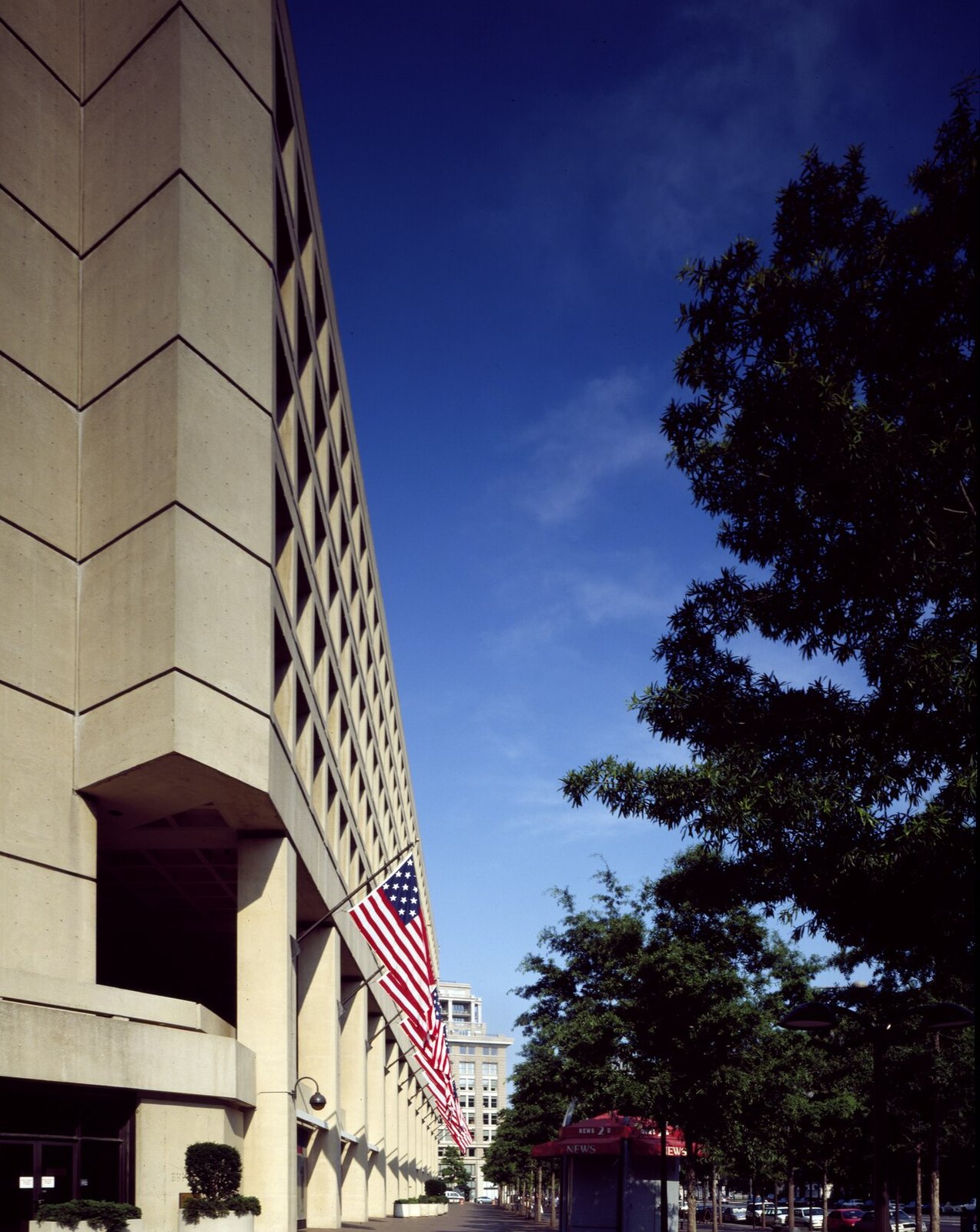
Photo: Wikimedia Commons
The FBI confirmed North Korean state hackers stole more than $400 million from over 900 victims in 18 months via fake video calls. The Justice Department seized more than $1.2 billion in cloud servers tied to the scheme and froze over $2.7 billion of the separate $6.3 billion Binance theft.
The FBI has confirmed North Korean state hackers stole more than $400 million in cryptocurrency from over 900 victims in 18 months, using a scheme built around fake video calls, secretly recorded footage, and deepfake videos of real people.
The Justice Department calls the operation FaceStealer. Hackers compromise one target, secretly record that person's webcam, then use the footage to impersonate them in calls with that target's own contacts. When a new mark joins what looks like a Zoom, Microsoft Teams, or Google Meet session, they see familiar faces. The faces are recordings. The audio then malfunctions, and a prompt appears asking the target to click a link to fix it. That click installs malware, according to the FBI and Justice Department.
FBI Cyber Branch Operations Director Brett Leatherman said in a Justice Department statement on November 12: "North Korean cyber actors have used the FaceStealer scheme to aggressively target individuals in the cryptocurrency and Web3 sectors through deceptive social engineering tactics, resulting in the theft of more than $400 million in the last 18 months."
The Justice Department said Thursday it had seized the cloud-based infrastructure used in the FaceStealer scheme and obtained court authorization to seize or restrain more than $1.2 billion in cryptocurrency stolen from Binance. That action sits inside a larger enforcement response. Since the $6.3 billion theft from Binance on October 29, which the New York Post described as "the largest bank heist in human history," US authorities and private-sector partners have frozen more than $2.7 billion of those stolen funds, with $1.2 billion already court-authorized for seizure or restraint, according to the Justice Department.
The Binance theft took 20 minutes, beginning at 4:30 p.m. ET on October 29, according to the New York Post. Binance co-CEO Richard Teng said the security team had uncovered additional points of breach, suggesting a complex attack carried out by more than one person. North Korean military hackers the FBI calls TraderTraitor carried out that attack. The same group was linked to a $1.5 billion heist targeting crypto exchange Bybit the previous year, the New York Post reported.
Pyongyang denied its role in the Binance hack. Principal Deputy Assistant Attorney General M. Scott Proctor said in the Justice Department release: "North Korea's government bankrolls its rogue regime and illicit weapons program through cryptocurrency theft."
Under a federal warrant, the FBI seized over 900 webcam videos of FaceStealer victims, according to the Justice Department. The hackers operate under multiple names tracked by US intelligence, including Sapphire Sleet, APT38, BlueNoroff, CryptoCore, Dangerous Password, Stardust Chollima, and UNC1069. Beyond individual crypto holders, the Justice Department said the hackers have increasingly targeted developers and maintainers of open-source software. The goal, prosecutors said, "appears calculated to enable software supply-chain attacks," in which compromised code could reach millions of downstream users.
FBI Los Angeles Field Office Assistant Director in Charge Patrick Grandy said in the bureau's Thursday statement: "North Korea's FaceStealer is a highly effective social engineering scheme capable of deceiving even the most experienced technical and security conscious computer user. It exploits our trust in ubiquitous video conference platforms and valued personal relationships. If you can't imagine a scenario where you might fall prey to it, you are not thinking creatively enough."
Published November 13, 2026 · Frisian News