£15bn or Zero: IFS Warns Triple Lock Reform Cannot Fund Burnham's Care Plan
October 1, 2026 · Frisian News
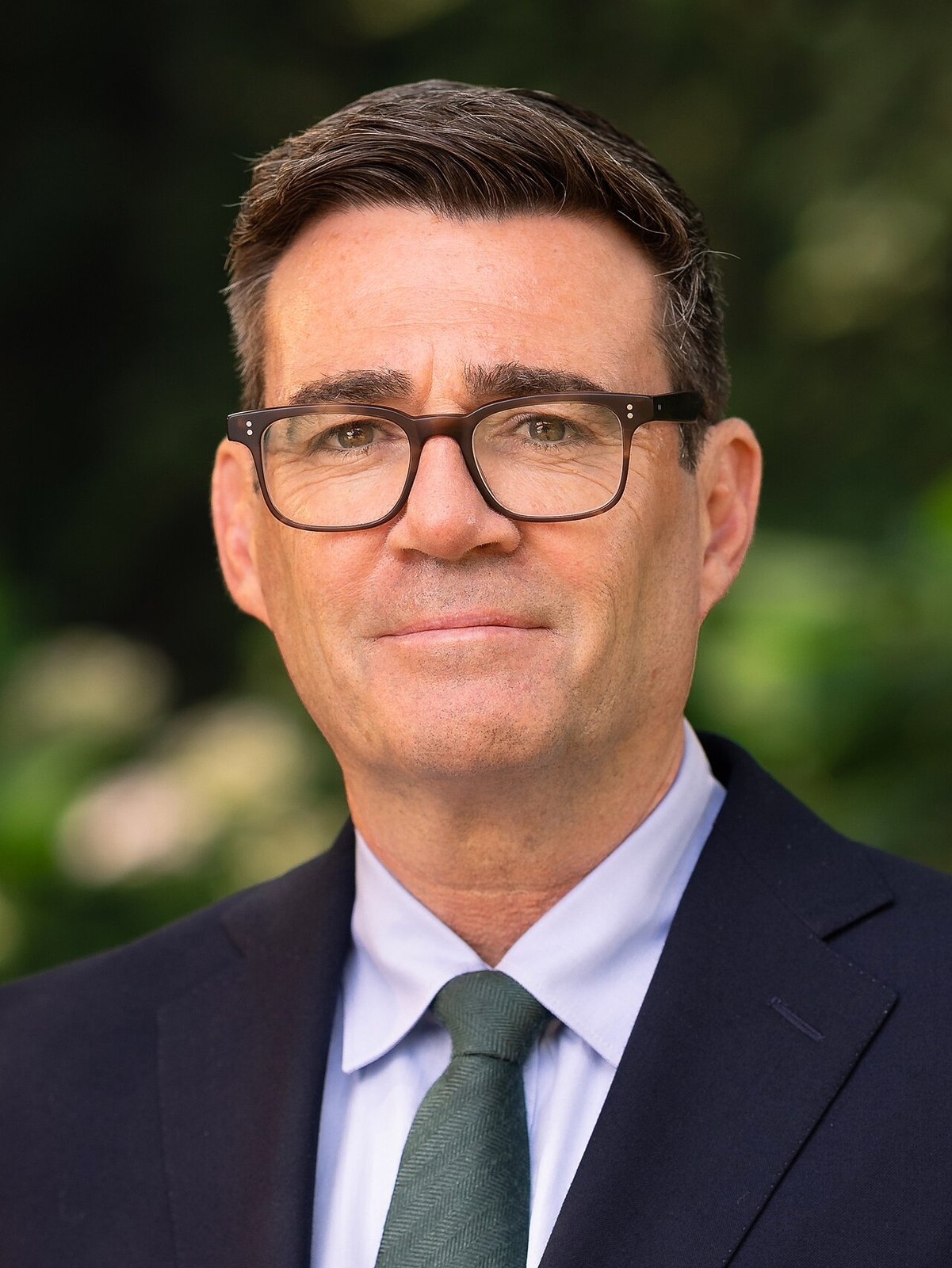
Photo: Wikimedia Commons
The Institute for Fiscal Studies says savings from scrapping the pension triple lock could be nothing at all, while the Health Foundation estimates Andy Burnham's National Care Service would cost £18.5 billion a year extra by 2036.
£15 billion. That is what Downing Street claims scrapping the state pension triple lock will save each year by the end of the 2030s. The Institute for Fiscal Studies says the real figure could be nothing at all.
IFS Director Helen Miller told BBC Breakfast that while savings of £15 billion a year were possible by the end of the next decade, "it's also possible that you could save absolutely nothing, or a bigger sum. So it's very uncertain." The range is not a rounding error. It spans fifteen billion pounds, and neither end of it has been demonstrated.
Prime Minister Andy Burnham set out his plan in his Labour Party conference speech on 29 September. From April 2030, the triple lock, which guarantees the state pension rises each year by whichever is highest of inflation, wage growth or 2.5%, would be replaced by a system rising by the higher of inflation or 2.5%, with an adjustment to track long-term earnings. Burnham told conference the change "will generate significant savings which we will use to build up our national care service."
Downing Street put a number on "significant": £15 billion a year by the end of the 2030s, equivalent to £11 billion in today's money, though it provided no workings. The IFS estimates the reform will save around £4 billion a year in today's money by 2035. The Office for Budget Responsibility, the government's own official forecaster, found no significant saving before 2034. By 2040, the OBR estimated the annual saving at 0.2% of GDP, equivalent to £6 billion a year in today's money.
The gap between Downing Street's £11 billion and the IFS's £4 billion matters because the Health Foundation estimates that a universal and comprehensive social care system in England would cost around £18.5 billion a year extra by 2036. Jonathan Cribb of the IFS was direct: the pension reform "will not be the answer to funding universal social care." Burnham, speaking to Times Radio, acknowledged the arithmetic: "If there's a shortfall, well, we'd have to be honest about that shortfall and say where that money is coming from."
The uncertainty is structural. The cost of the triple lock is tied to future wage growth and inflation, which no model can forecast reliably over a decade. The IFS notes the change "could easily save nothing at all if earnings growth is strong." Miller added that the government "should probably think of this as being an unfunded thing," arguing that removing one unfunded commitment does not automatically fund a new one and that ministers "will need to find some new money."
For scale, the IFS calculates that the existing triple lock has pushed annual state pension spending £16 billion above what it would have cost had the pension risen in line with average earnings growth since 2011. The state pension bill is expected to hit £154 billion this year. Those costs are real and already incurred. The prospective savings are, by the IFS's own account, a range that includes zero.
The government has not published the model behind its £15 billion figure. Until it does, the National Care Service rests on arithmetic that the country's leading independent fiscal body says could return nothing, and on a prime minister who has already told the public he will need to find more money if the sums do not work out.
 Frysk
Frysk£15 miljard. Dat is wat Downing Street bewearet dat it ôfskaffen fan de trijedubbele slot fan it steatspensjoen alle jierren besparje sil oan 'e ein fan de jierren 2030. It Institute for Fiscal Studies seit dat it wiere siffer hielendal neat wêze kin.
IFS-direkteur Helen Miller fertelde BBC Breakfast dat hoewol besparringen fan £15 miljard jiers mooglik wiene oan 'e ein fan it kommende desennium, "it is ek mooglik dat jo hielendal neat besparje kinne, of in gruttere som. It is dus tige ûnwis." It berik is gjin ôfrûningsfout. It omspant fyftjin miljard pûn, en gjin fan beide utersten is oantoand.
Premier Andy Burnham sette syn plan útein yn syn taspraak op it Labour Party-kongres fan 29 septimber. Fan april 2030 ôf soe de trijedubbele slot, dy't garandearret dat it steatspensjoen alle jierren omheech giet mei it heechste fan ynflaasje, leangroei of 2,5%, ferfongen wurde troch in systeem dat omheech giet mei it heechste fan ynflaasje of 2,5%, mei in oanpassing om de lean op lange termyn te folgjen. Burnham fertelde it kongres dat de wiziging "wichtige besparringen generearje sil dy't wy brûke sille om ús nasjonale soarchstsjinst op te bouwen."
Downing Street sette in getal op "wichtich": £15 miljard jiers oan 'e ein fan de jierren 2030, lykweardich oan £11 miljard yn hjoeddeistich jild, hoewol it gjin berekkening meijûn hat. It IFS skattet dat de herfoarm om 2035 hinne sawat £4 miljard jiers besparret yn hjoeddeistich jild. It Office for Budget Responsibility, de offisjele prognosemakker fan de regearing, fûn gjin wichtige besparring foar 2034. Tsjin 2040 skattet it OBR de jierlikse besparring op 0,2% fan it bbp, lykweardich oan £6 miljard jiers yn hjoeddeistich jild.
It ferskil tusken it £11 miljard fan Downing Street en it £4 miljard fan it IFS docht der ta, omdat de Health Foundation skattet dat in universeel en omfetsjend soarchsysteem yn Ingelân om 2036 hinne sawat £18,5 miljard jiers ekstra kostje soe. Jonathan Cribb fan it IFS wie dúdlik: de pensjoenherfoarm "sil net it antwurd wêze op it finansieren fan universele soarch." Burnham, yn petear mei Times Radio, erkende de rekkensom: "As der in tekoart is, moatte wy earlik wêze oer dat tekoart en sizze wêr't dat jild wei komt."
De ûnwissichheid is struktureel. De kosten fan de trijedubbele slot hingje ôf fan takomstige leangroei en ynflaasje, dêr't gjin model betrouber oer foarsizze kin oer in desennium. It IFS merkt op dat de wiziging "maklik hielendal neat besparje kin as de leangroei sterk is." Miller foege dêroan ta dat de regearing "wierskynlik tinke moat dat dit in net-finansierd ding is," en bewearde dat it ôfskaffen fan ien net-finansierde ferplichtging in nije net automatysk finansiert en dat ministers "wat nij jild fine moatte sille."
Om it yn perspektyf te setten: it IFS berekkenet dat de besteande trijedubbele slot de jierlikse útjeften oan it steatspensjoen £16 miljard heger dreaun hat as wêr't it koste hie as it pensjoen sûnt 2011 yn lykstap mei de gemiddelde leangroei stien hie. It steatspensjoenrekken sil dit jier nei ferwachting £154 miljard berikke. Dy kosten binne echt en binne al makke. De mooglike besparringen binne, neffens it IFS sels, in berik dat nul omfettet.
De regearing hat it model achter syn £15 miljard-siffer net publisearre. Oant it dat docht, stiet de Nasjonale Soarchstsjinst op in rekkensom dy't it liedende ûnôfhinklike fiskale lichaam fan it lân seit neat opsmite kin, en op in premier dy't it publyk al ferteld hat dat hy mear jild fine moat as de sommen net klopje.
Published October 1, 2026 · Frisian News