20% of Social Media Feeds Would Go to State-Approved Outlets Under German Draft Law
October 24, 2026 · Frisian News
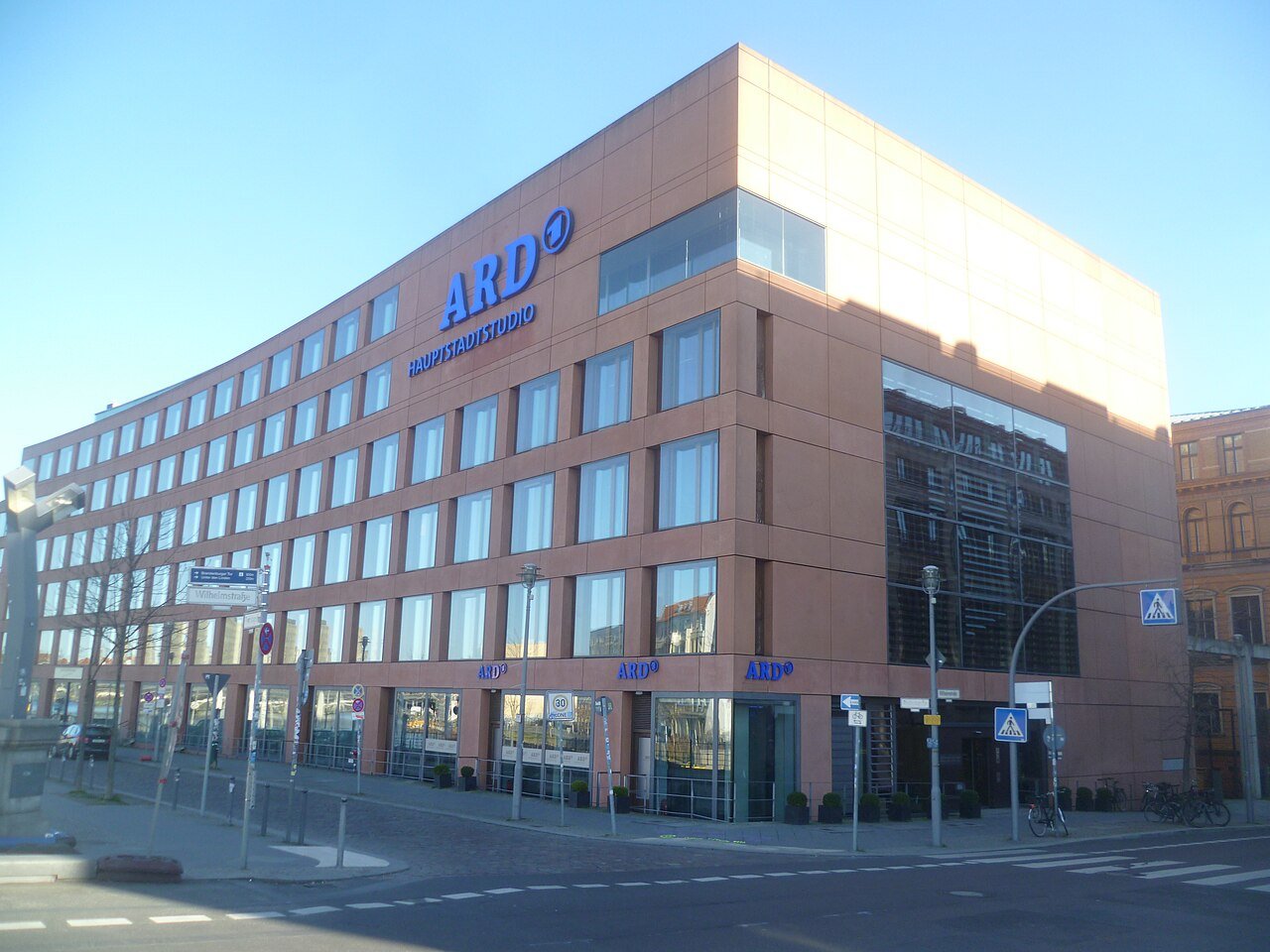
Photo: Wikimedia Commons
A discussion draft published on 28 September by Germany's Broadcasting Commission of the Länder would require platforms to fill at least 20 percent of algorithmic recommendations with content from a state-certified pool. Public broadcasters ARD and ZDF would qualify automatically; private outlets must apply to regulators.
One in every five algorithmic recommendations on platforms such as Instagram and X would have to come from a state-approved list of media outlets under a draft treaty published on September 28 by Germany's Broadcasting Commission of the Länder. Public comments are open until November 13.
Wherever a platform runs a recommender system, at least 20 percent of what it shows must come from a pool of outlets certified as making a "diversity-promoting additional effort." Which specific item from that pool appears would still depend on the algorithm and user history. The Broadcasting Commission justifies the figure by comparing it to the share of advertising already in feeds, according to Brussels Signal.
Public broadcasters ARD, ZDF and Deutschlandradio would qualify largely automatically. Private outlets would need to apply to Germany's 14 regional media authorities and satisfy criteria covering editorial staffing, original production, news and political reporting, local coverage and accessibility. Several commercial broadcasters, including RTL, n-tv, Welt and ProSieben, already hold the existing "public value" status from the 2020 media treaty and would enter the pool more easily, Brussels Signal reports.
The structural problem is arithmetic. Once 20 percent of algorithmic slots are reserved for approved outlets, the remaining 80 percent is proportionally smaller for everyone else. Commentator Bernd Kaiser called the measure an attempt to secure "air superiority over online discourse" by forcing state-broadcaster content between ordinary user posts. The Berliner Zeitung described the plan as "media quotas with an advantage for ARD and ZDF."
The official case rests partly on a study commissioned by two state media authorities that tested short-video feeds at zero, 10, 20 and 30 percent informational content from journalistic sources. Viewers rated feeds at 10 percent or above as broader and more informative, and satisfaction did not fall at higher levels. Researchers suggested 10 to 20 percent as a practical range, according to Planet Today. Officials argue that engagement-driven algorithms routinely bury journalism, and a fixed share would correct that without requiring users to seek it out.
Critics point out that the criteria measure structure, not viewpoint. An outlet covering politics consistently from one direction qualifies if its staffing and production levels look solid. A smaller publisher challenging mainstream positions on migration or energy might fail the thresholds or simply not apply. Nothing in the text requires promoted items to offer views the reader would not otherwise encounter, and the draft does not explain why 20 percent specifically is the point at which diversity improves, Brussels Signal notes.
Germany's public broadcasters already receive roughly €8 to €9 billion a year through a compulsory household licence fee set at €18.36 per month per dwelling, according to Planet Today. Automatic approval for the recommendation pool extends that structural advantage to private feeds. The services union ver.di backed the plan but called its enforcement provisions too weak. The proposal also faces a jurisdictional problem: the Digital Services Act already governs how the largest platforms build their recommender systems, and France dropped a proposed social-media blacklist for under-15s this year after the European Commission warned it clashed with EU digital rules.
An interstate treaty requires agreement from all 16 state governments and ratification by every regional parliament. Part one of the wider media reform, agreed by state premiers in June, does not take effect until 2027. Germany's 2017 Network Enforcement Act, which compelled fast removal of illegal content, was later copied by several authoritarian governments. Whether a quota system built on regulatory certification follows the same export route is not a question the draft addresses.

Published October 24, 2026 · Frisian News