Breaking
EU Commission issues new nitrogen compliance ultimatumFrisian farmers vow to resist Brussels directiveNew fierljeppen record set in WinsumWetterskip Fryslân warns of coastal flooding riskLeeuwarden named top cycling city in the NetherlandsEU Commission issues new nitrogen compliance ultimatumFrisian farmers vow to resist Brussels directiveNew fierljeppen record set in WinsumWetterskip Fryslân warns of coastal flooding riskLeeuwarden named top cycling city in the Netherlands
Tuesday, 20 May 2026  ·  Ljouwert, FryslânEst. 2026

FRISIAN NEWS

Nijs fan Fryslân  ·  Friesland News  ·  In English

Why Friesland's Butter Production Matters More Than Its Cheese
Agriculture

Wêrom Fryske Bûterproduksje Wichtiger Is as Tsiis

August 13, 2026 · Frisian News

Friesland produces more butter each year than most countries make in a season, yet the world only knows Dutch cheese. Butter, not cheese, is what has always made the region wealthy.

Frisian flagFrysk

Fryske molkfeebedriuwen produsearje elk jier grutte hoemannichten bûter. Dochs, as bûtenlanners oan Nederlân tinke, sjogge sy tsiis, net de giele pakken bûter dy't Fryslân ferlitten foar merken yn it bûtenlân.

Bûter hat djippere woartels yn Fryslân as tsiis. Yn de santjinde en achttjinde ieu ferkochten Fryske boeren bûter oan Amsterdamske hannelers en oare keaplju, wylst sy tsiis lyts en lokaal holden. Dy hannel joech de hiele streek rykdom, en dat bart hjoed-de-dei noch.

Modern Fryslân folget itselde patroan. De molk fan Fryske swart-wite kij giet yn bûter en suvelprodukten foar eksport, wylst tsiis benammen yn de streek bliuwt. Fabrieken yn Ljouwert en elders yn de regio produsearje bûter foar klanten troch hiel Europa en dêrfoarby.

It ferskil telt foar Fryske boeren. Ynvestearingen yn feeteelt, yn koelsystemen, yn molktransport folgje allegear de bûtermerk. Bedriuwen dy't allinnich op tsiis sette wrakselje faak, wylst bûterprodusinten fêste klanten en earlike prizen it hiele jier hawwe.

Ryd troch it Fryske plattelân en do fielst dit yn de loft. De fabrieken wurkje dei en nacht. De molkweinen ride konstant. De bedriuwen dy't bliuwe bestean, dy't fan âlders op bern oergean, fertsjinje har brea mei bûter. Dat inkelde feit foarmet alles yn de streek.

English

Friesland's dairy farms produce large quantities of butter each year. Yet when outsiders think of the Netherlands, they picture cheese, not the yellow blocks of butter that leave Friesland for markets abroad.

Butter has deeper roots in Friesland than cheese. In the 17th and 18th centuries, Frisian farmers sold butter to Amsterdam merchants and other traders while keeping cheese-making small and local. That trade shaped the whole region's wealth and still does today.

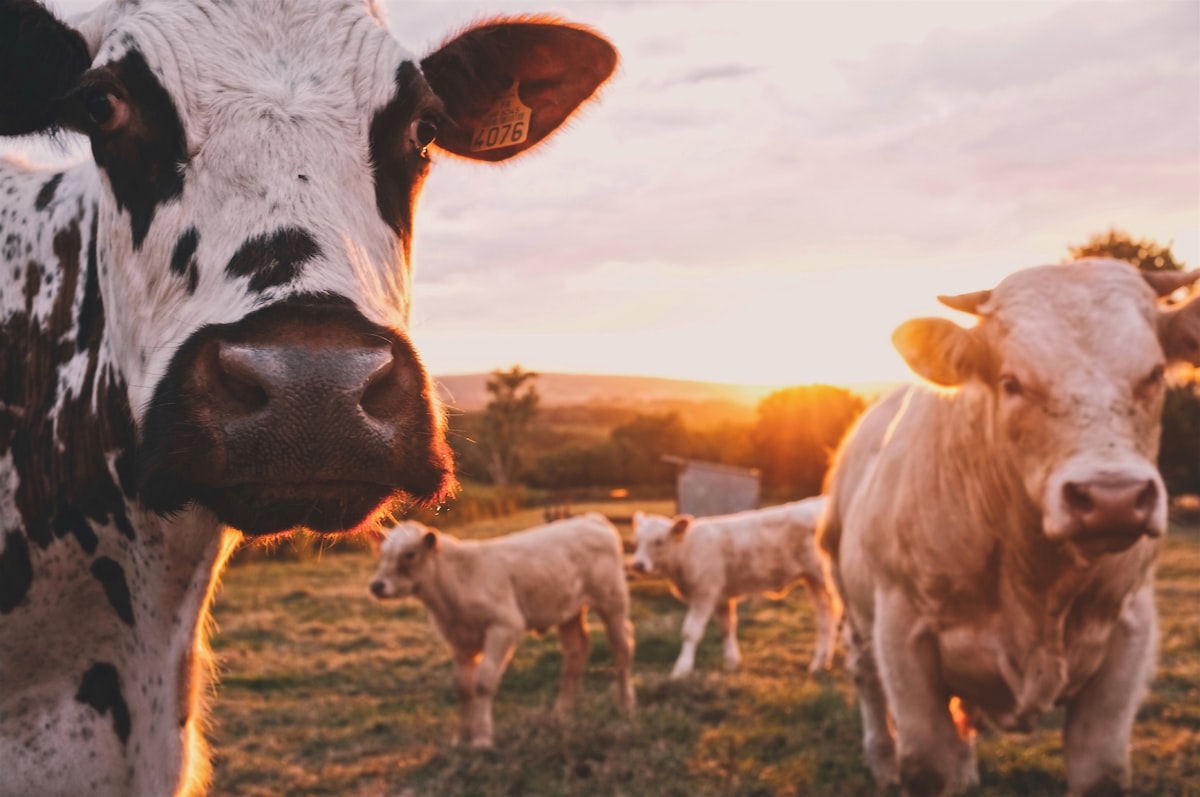
Modern Friesland follows the same pattern. The milk from Friesland's famous black and white cattle flows into butter and dairy products for export, while cheese mostly stays regional. Factories in Ljouwert and across the region produce butter for customers throughout Europe and beyond.

The difference matters for Friesland's farmers. Investment in breeding cattle, in cooling systems, in milk transport all follow the butter market. Farms that bet on cheese alone often struggle, while butter producers have steady customers and fair prices year-round.

Drive through the Frisian countryside and you sense this in the air. The dairies run day and night. The milk trucks move constantly. The farms that survive, that pass from parent to child, make their living from butter. That simple fact shapes everything else about the region.


Published August 13, 2026 · Frisian News · Ljouwert, Fryslân