50 Hours Over Schedule, No Deal: COP31 Collapses After Longest Climate Talks
November 23, 2026 · Frisian News
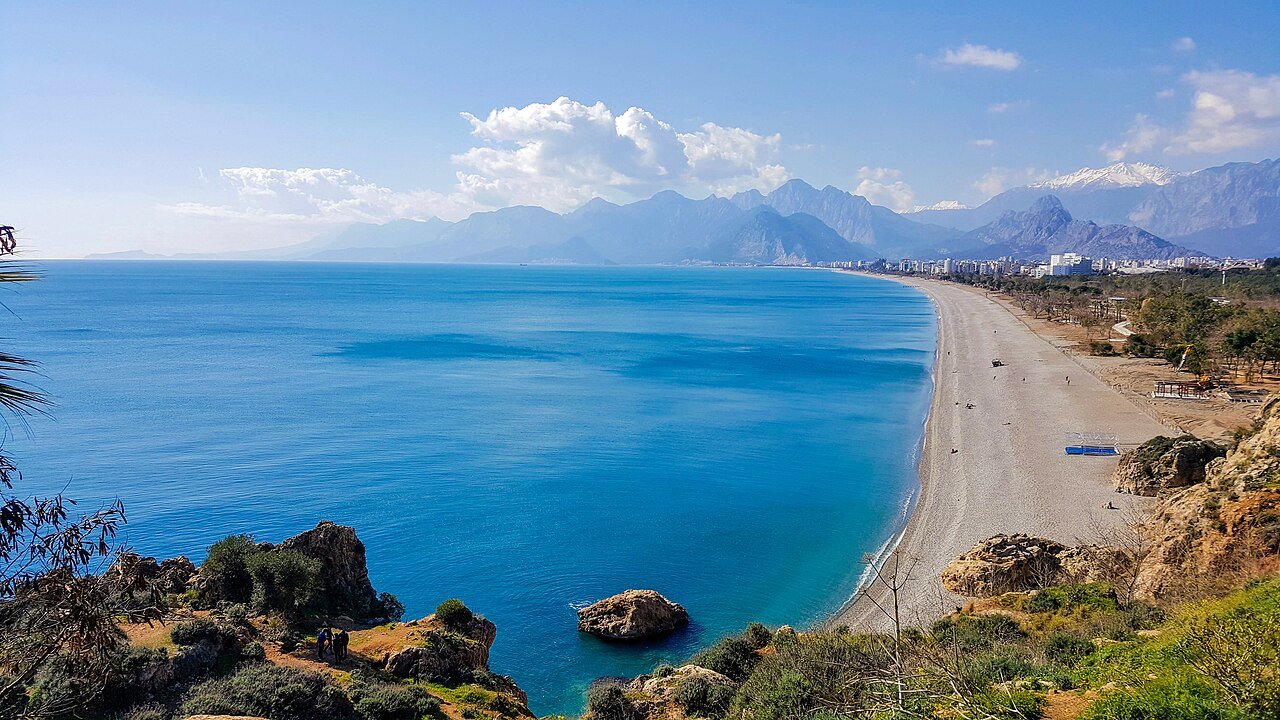
Photo: Wikimedia Commons
COP31 in Antalya ended without agreement after 50 hours of overtime, the longest overrun in the summit's history, as Russia and Saudi Arabia blocked fossil-fuel language while the EU and UK refused a deal without it.
Fifty hours past its scheduled close, the annual UN climate summit collapsed in Antalya on Sunday without a consensus agreement. It was the longest overrun in the history of the UN climate talks, and the first outright failure since Copenhagen in 2009.
COP31, branded the "Implementation COP" and scheduled from 9 to 20 November, was meant to convert years of climate pledges into concrete action. COP31 president and Türkiye's environment minister Murat Kurum announced the breakdown from the floor: "It is clear that there are parties in this hall who oppose this text. We recognize that there is no consensus on this document. Therefore, these decisions have not been adopted."
The central dispute was a single phrase. A draft circulated on the final Sunday would have been the first COP agreement to acknowledge that global warming is on track to exceed the Paris Agreement's 1.5°C threshold. But it referred back to the 2023 Dubai agreement without explicitly restating its call to transition away from fossil fuels. For Russia and Saudi Arabia, any explicit call to transition away from fossil fuels was a veto line. For the European Union and the United Kingdom, its absence made the deal worthless.
UK lead climate negotiator Kate Hughes said the text "moves us backwards on the science" and failed to acknowledge the urgency of the crisis. Irish Climate Minister Darragh O'Brien, speaking for the EU, said it was "unconscionable that we would have a climate act that makes no reference to fossil fuels." Russia's delegate Sergei Kononuchenko countered that restricting oil and gas would trigger "a switch to dirtier types of fuel and energy poverty."
Australia's Climate Change and Energy Minister Chris Bowen, who served as President of Negotiations, called the collapse "very disappointing." He pointed to more than 90 countries signing the electrification pledge as evidence the summit produced results, but conceded it was "not enough when it comes to climate action." The United States sent no official delegation for the second year running, having withdrawn from the Paris Agreement in January 2026.
The draft also dropped a $120 billion target for climate adaptation funding for poorer nations. The Least Developed Countries group, representing 44 nations and more than one billion people, said it could "not afford to see backsliding." The Marshall Islands delegation said the summit produced "the worst possible response to overshoot, a response to enhance oil and gas."
The host nation's own record framed the gap between ambition and delivery. Under its updated nationally determined contribution, Türkiye committed to capping gross national emissions at 643 million tonnes of CO₂ equivalent by 2035. But independent climate trackers including the Climate Action Tracker consortium argue that relative to 2019 benchmarks, Türkiye's trajectory still accommodates approximately a 42% expansion in real-term gross emissions. Active subsidies and long-term purchase guarantees for domestic coal and lignite plants remain in place.
Lavanya Rajamani, a professor of international environmental law at the University of Oxford who helped draft the Paris Agreement, said the breakdown shows "the gap has never been wider" between the science and the politics of climate action. She identified "growing frustration with the time-intensive, consensus-based negotiating process" that produces outcomes "radically out of step with the science and the scale and severity of climate impacts already unfolding."
All the unresolved questions return to the agenda at the next summit.

Sources
Published November 23, 2026 · Frisian News