548 Death Sentences Commuted, but 382 Require the Court's Approval
November 6, 2026 · Frisian News
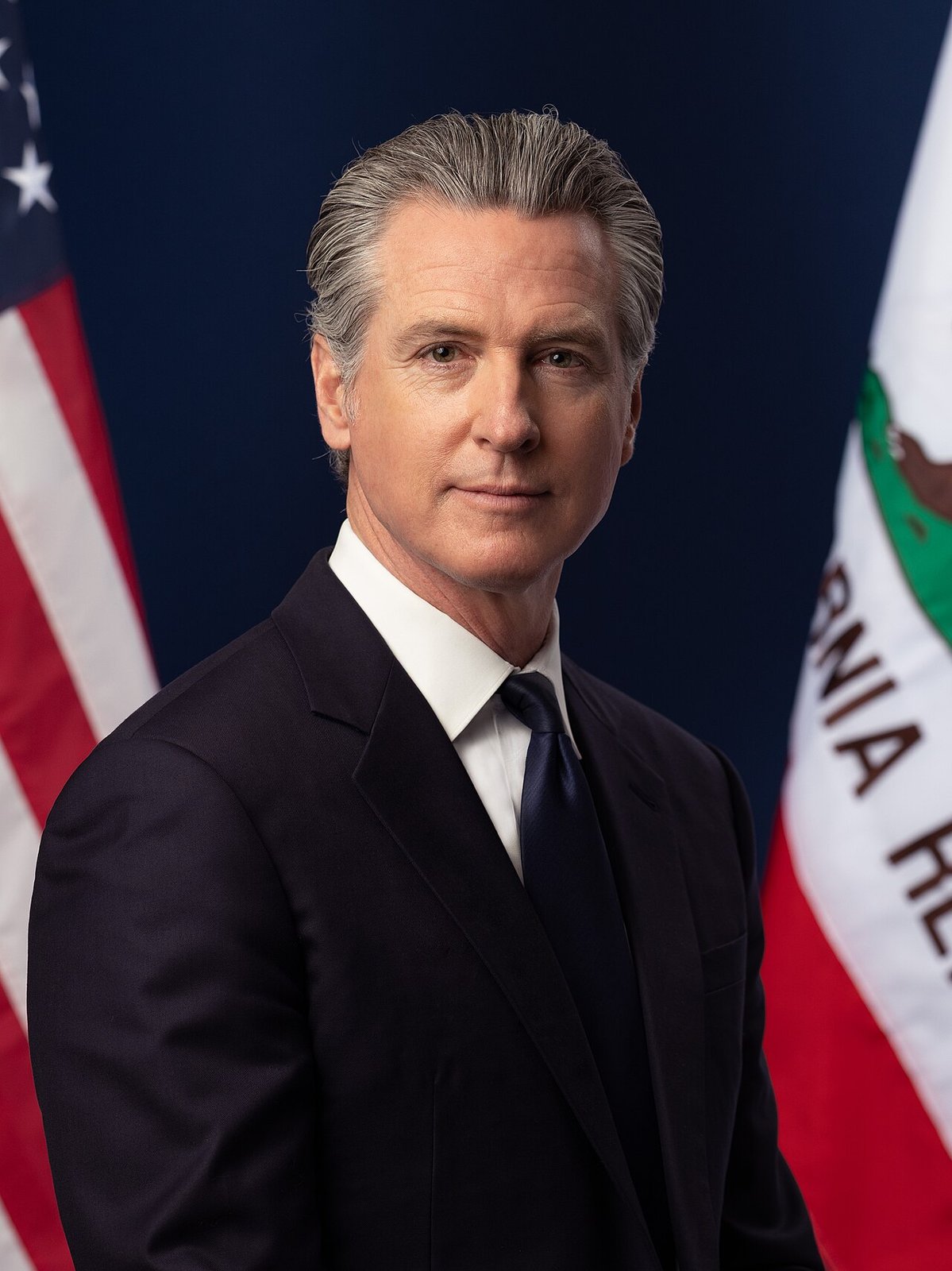
Photo: Wikimedia Commons
Newsom commuted all 548 California death sentences to life without parole, but 382 of them require state Supreme Court approval under a constitutional bar on blanket clemency for repeat felons.
Governor Gavin Newsom cut the sentences of all 548 prisoners on California's death row to life without parole on Thursday, in what the Death Penalty Information Center called the largest act of mass clemency in United States history.
Most of those commutations cannot take effect without further approval. The California Constitution, article V, section 8, bars a governor from commuting the sentence of anyone twice convicted of a felony without a recommendation from the state Supreme Court, with four of seven justices concurring. Newsom filed a separate 20-page list with the court naming 382 prisoners who have multiple felony convictions, 70 percent of the condemned population.
Newsom framed the decision in moral terms. "I firmly believe that state-sanctioned killing is incompatible with California's values, undermines the foundations of our legal system, and diminishes each of us," he wrote in a letter to Californians. He asked the Supreme Court to rule on all 382 cases before his term ends, giving the justices roughly 60 days.
That schedule is difficult. Death penalty appeals are estimated to account for about a quarter of the California Supreme Court's workload. Newsom's submission said he "did not consider information about [the prisoner's] individual circumstances," asking for a single blanket ruling rather than 382 separate reviews. The court also has a vacancy Newsom has left unfilled for more than a year. If the six sitting justices split evenly, a pro tem judge would cast the deciding vote.
Prosecutors moved quickly to contest the action. Greg Totten, chief executive of the California District Attorneys Association, said Newsom had "turned an extraordinary constitutional safeguard into a sweeping instrument of personal policy." Anne Marie Schubert, former district attorney and now head of the Criminal Justice Legal Foundation, told the New York Post her group will bring a legal challenge in the Supreme Court. Dan Dow, district attorney for San Luis Obispo County, said: "Juries chose justice case by case, voters chose it five times, and one outgoing governor tried to erase it all with a pen."
California has not executed a prisoner since Clarence Ray Allen died by lethal injection at San Quentin in 2006. Allen had spent 23 years on death row; his appeals alone cost the state more than $750,000. Only 13 inmates have been executed since voters reinstated the death penalty in 1978. The state now spends more than $200 million a year on death penalty appeals statewide, according to a 2025 Habeas Corpus Resource Center report, with many condemned prisoners now in their 80s and 90s.
Voters have refused to remove the death penalty from state law. A Pew Research Center poll conducted in August found about two-thirds of voters nationally favor the death penalty for people convicted of murder. Newsom acknowledged the gap in his letter: "California voters have voted to keep the death penalty on the books and I respect that." He declined again to put a repeal measure to voters himself.
Victims' families split sharply. Sandy Friend, whose eight-year-old son Michael Lyons was abducted, raped and murdered in 1996, called the decision "total disrespect for the victims." Phyllis Loya, whose son Larry Lasater, a police officer in Pittsburg, California, was killed in the line of duty by a man sentenced to death, said Newsom "has a heart for criminals." Bethany Webb, whose sister Laura was one of eight people killed in a 2011 Seal Beach mass shooting, took the opposite view, saying the death penalty "is brutalizing to family members, the whole system."
Whether Newsom can deliver on 70 percent of these commutations depends on a court he left one seat short.

Published November 6, 2026 · Frisian News