£5.2 Billion a Year: Labour's ILR U-Turn Contradicts Mahmood's Own Warning
November 6, 2026 · Frisian News
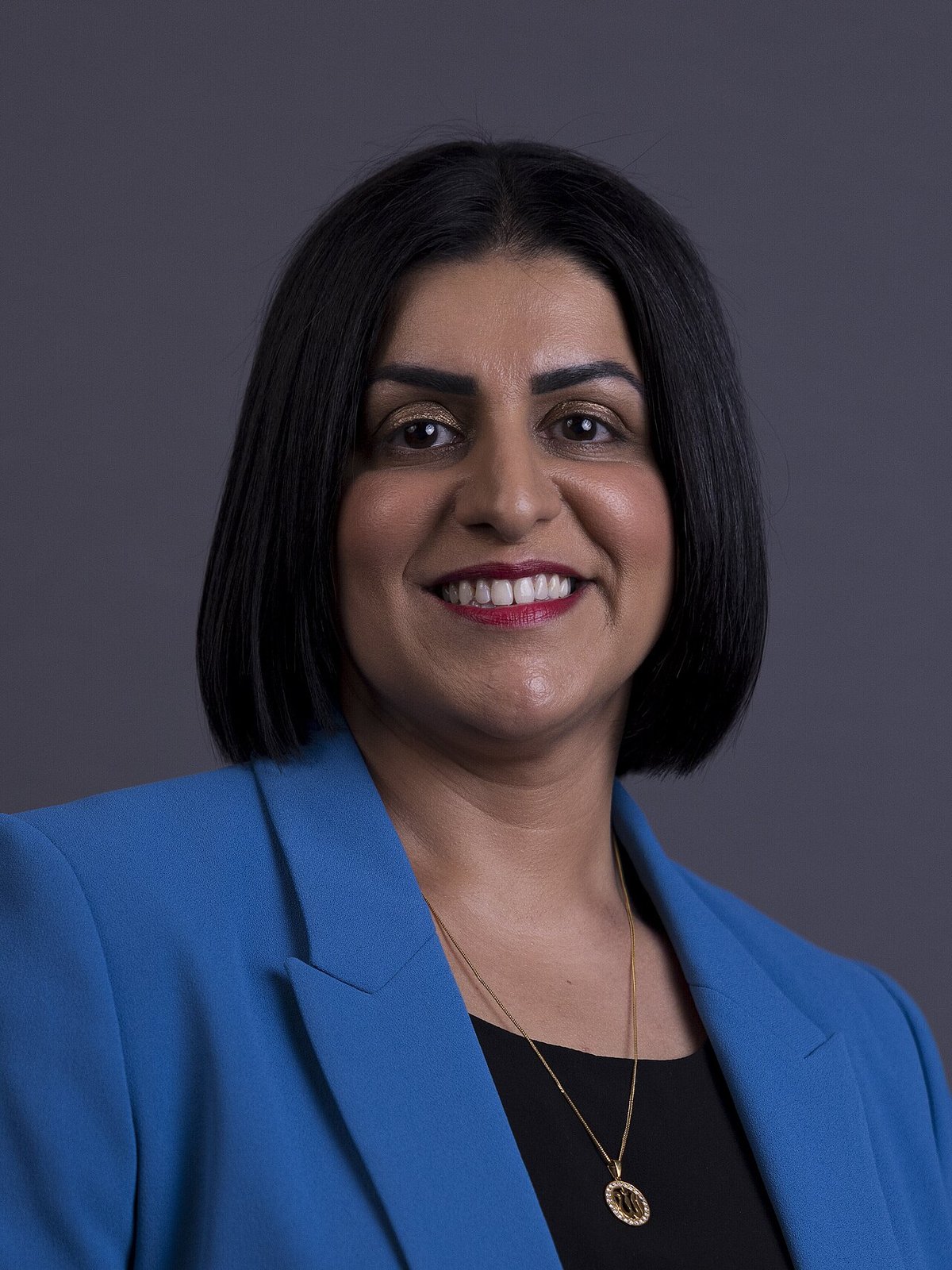
Photo: Wikimedia Commons
Conservative analysis projects a £5.2 billion annual welfare bill from Labour keeping 1.4 million migrants on a five-year path to Indefinite Leave to Remain. Home Secretary Mahmood herself warned in March that abandoning her original reforms would cost £10 billion.
£5.2 billion a year. That is the projected annual cost of Home Secretary Shabana Mahmood's decision to abandon her own immigration settlement reforms, according to Conservative analysis published Tuesday.
The arithmetic draws on official data. Department for Work and Pensions figures show 220,283 people with Indefinite Leave to Remain were claiming Universal Credit in December 2025, roughly 32 per cent of the estimated 690,926 non-EU citizens holding settled status. The Conservatives applied that rate to the 1.4 million migrants who will remain on a five-year path to ILR under the revised rules. The result is 446,352 additional claimants by 2030-31, multiplied by an average annual Universal Credit payment of £11,694.
That figure sits against Mahmood's own March warning. She said then that failing to implement her original November blueprint would produce "a £10 billion drain on public finances." She called any softening "an affront to the idea of fairness within our society" and said it would put "further strain on public services like housing and healthcare." On Monday she announced precisely the softening she had warned against, after Housing Secretary Angela Rayner called the original retrospective changes "un-British" and Labour backbenchers threatened a rebellion.
Of the 1.9 million foreign nationals due to become eligible for settlement by 2030, only 500,000 will now face a longer wait. The remaining 1.4 million stay on the five-year track. Under the original plans, the Guardian reported, 799,000 people would have faced delayed settlement; the revised version cuts that figure to 517,000. Care workers who arrived before May 2025 and earn at least £25,000 a year can apply after five years. For other lower-paid workers, the standard qualifying period rises to 10 years, down from Mahmood's original proposal of 15.
Shadow Work and Pensions Secretary Helen Whately said: "Our country cannot afford the ballooning benefits bill. People who come to the UK should be contributing, not drawing benefits." Shadow Home Secretary Chris Philp said settlement "should be earned through work, tax and contribution" and not be "a ticket to a lifetime on benefits." Tory leader Kemi Badenoch said Prime Minister Andy Burnham "ditched the Home Secretary's tougher proposals so that he can unite the Left behind him, and call an election."
The Home Office rejected the projection. A source there said: "This absurd analysis assumes that we will be as hopeless as they were. It is totally wrong. We are ensuring that settlement can only follow contribution. Half a million people, who they handed visas to, cannot settle in the next five years because of the action this Government has taken."
The Institute for Government warned the changes carry legal risk and bypass meaningful parliamentary scrutiny. The Home Office pushed the new rules through secondary legislation, requiring no vote in the Commons. Marley Morris, associate director for migration at the Institute for Public Policy Research, told the Guardian that workers in fields such as engineering, catering and architecture "may not necessarily meet high salary thresholds and will still be on a 10-year route to settlement under these new proposals," despite arriving when the rules promised five years.
Mahmood issued her own fiscal warning in March.

Published November 6, 2026 · Frisian News