The Ozempic Paradox: Losing Weight While Losing the Drive to Move
June 12, 2026 · Frisian News
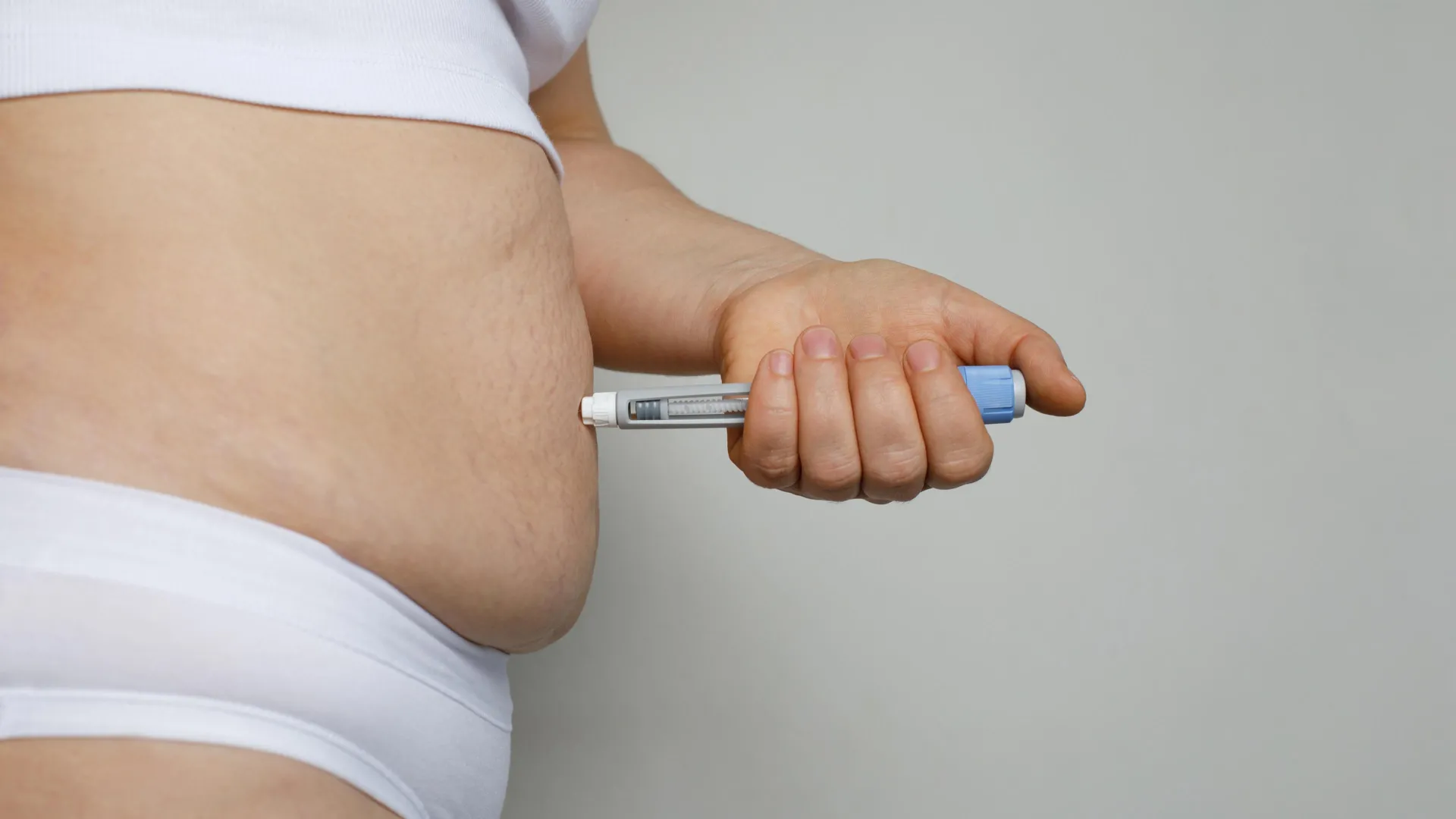
New research analyzing Fitbit data shows people on GLP-1 weight loss drugs like Ozempic and Wegovy move significantly less after starting treatment, despite losing weight. The drop in physical activity could undermine the health benefits these medications are supposed to deliver.
Data from wearable fitness trackers tells an uncomfortable story. People who started taking GLP-1 drugs like Ozempic and Wegovy reduced their daily step counts within weeks of starting treatment. They were losing pounds. They were also moving less. This contradiction sits at the center of what these medications actually do, and it is nowhere to be found in the pharmaceutical industry's marketing materials.
The research reveals something the manufacturers avoid mentioning: GLP-1 drugs suppress appetite so forcefully that users simply move less. The drugs reduce muscle mass along with fat. Your body is not burning calories through exercise. Instead, the medication creates a state where your resting metabolism drops and your motivation to move evaporates. You get thin. You get weak. You get still.
This matters because weight loss without movement is not the same as health. A thin person who sits all day faces different disease risks than someone at the same weight who walks regularly. Muscle mass protects bone density, steadies blood sugar, and keeps you strong as you age. The drug eliminates this benefit. You lose pounds but lose muscle, bone, and activity in the bargain. The industry marketed these as solutions to metabolic disease. The data suggests they only solve half the problem, and that half might be the less important one.
The manufacturers will argue that the study is limited, that weight loss itself improves health, and that users can still exercise if they want to. All technically true. But the research shows that users do not want to. They move less. The question worth pursuing is whether a medication that kills your drive to move is actually solving the problem it claims to solve. And more importantly, who profits if the answer is no but people keep taking it anyway.
The scale says the drugs work. Activity data says something very different. Until studies track people for five or ten years after they stop taking these medications, nobody will know whether the drugs solved the underlying problem or simply deferred it. What we do know is that the pharmaceutical industry profits from your continued dependence. That might be the most honest thing anyone can say about it.
 Frysk
FryskGegevens fan draachbere fitness-trackers fertelle in ûngemaklik ferhaal. Minsken dy't GLP-1 pillen lykas Ozempic en Wegovy begûnen te nimmen, fermindere har deistige stappetelling binnen wiken. Se ferlearen gewicht. Se bewogen ek minder. Dizze tsjinspraak sit yn it hert fan wat dizze medisinen werklik dogge, en it stiet nearne yn it marketingmateriaal fan de farmaseutyske yndustry.
It ûndersyk iepenbiert wat de fabrikanten mije te neamen: GLP-1 medisinen ûnderdrukke it apetyt sa sterk dat brûkers gewoanwei minder bewege. De medisinen fermindere spiermassa tegearre mei fet. Jo lichem ferbaarnt net troch trainingsarbeid. Yn plak dêrfan makket it medisyn in tastân wêryn jo rustmetabolisme sakket en jo motivaasje om te bewegen ferdwynt. Jo wurde tin. Jo wurde swak. Jo wurde stil.
Dit is wichtich omdat gewichtsferles sûnder beweging net itselde is as sûnens. In tinne persoan dy't de hiele dei sit, hat in oar sykterysk as ien fan itselde gewicht dy't regelmjittich rint. Spiermassa beskermet de tichtens fan de bonken, stabilisearret bloedsuiker, en hâldt jo sterk neigeraden jo âlder wurde. It medisyn eliminearret dit foardiel. Jo ferlieze pûn, mar ferlieze ek spier, bonke, en aktiviteit derby. De yndustry ferkocht dit as in oplossing foar metabolyske sykte. De gegevens suggerearje dat se mar de helte fan it probleem oplosse, en dy helte kin de minder wichtige wêze.
De fabrikanten sille stelle dat de stúdzje beheind is, dat gewichtsferles op himsels sûnens ferbetteret, en dat brûkers noch altyd trainearje kinne as se wolle. Dat is allegear technysk wier. Mar it ûndersyk toant oan dat brûkers net bewege wolle. Se bewege minder. De fraach dy't de muoite wurdich is om te folgjen: lost in medisyn dat jo driuw om te bewegen dea makket it probleem werklik op dat it beweart op te lossen? En noch wichtiger, wa profitearret as it antwurd nee is, mar minsken nimme it dochs?
De weechskaal seit dat de medisinen wurkje. Aktiviteitsgegevens sizze wat hiel oars. Oant ûndersiken op syn minst fiif of tsien jier folgje neidat minsken mei dizze medisinen ophâlde, sil nimmen witte oft de medisinen it ûnderlizzende probleem werklik oplost hawwe of allinne útsteld hawwe. Wat wy wol witte is dat de farmaseutyske yndustry profitearret fan jo oanhâldende ôfhinklikheid. Dat kin it meast earlike wêze dat ien deroer sizze kin.
Published June 12, 2026 · Frisian News