
Leeuwarden After 2018: How a Year as European Capital of Culture Reshaped a Small City
September 5, 2026 · Frisian News
When Leeuwarden became European Capital of Culture in 2018, the first northern Dutch city to receive the honor, it sparked a transformation that still shapes the city eight years later.
In 2018, Leeuwarden held the title of European Capital of Culture. The year brought hundreds of cultural events to the small city, from museum exhibitions and theater performances to street festivals and outdoor art installations. For twelve months, people arrived from across Europe to see what this region had to offer.
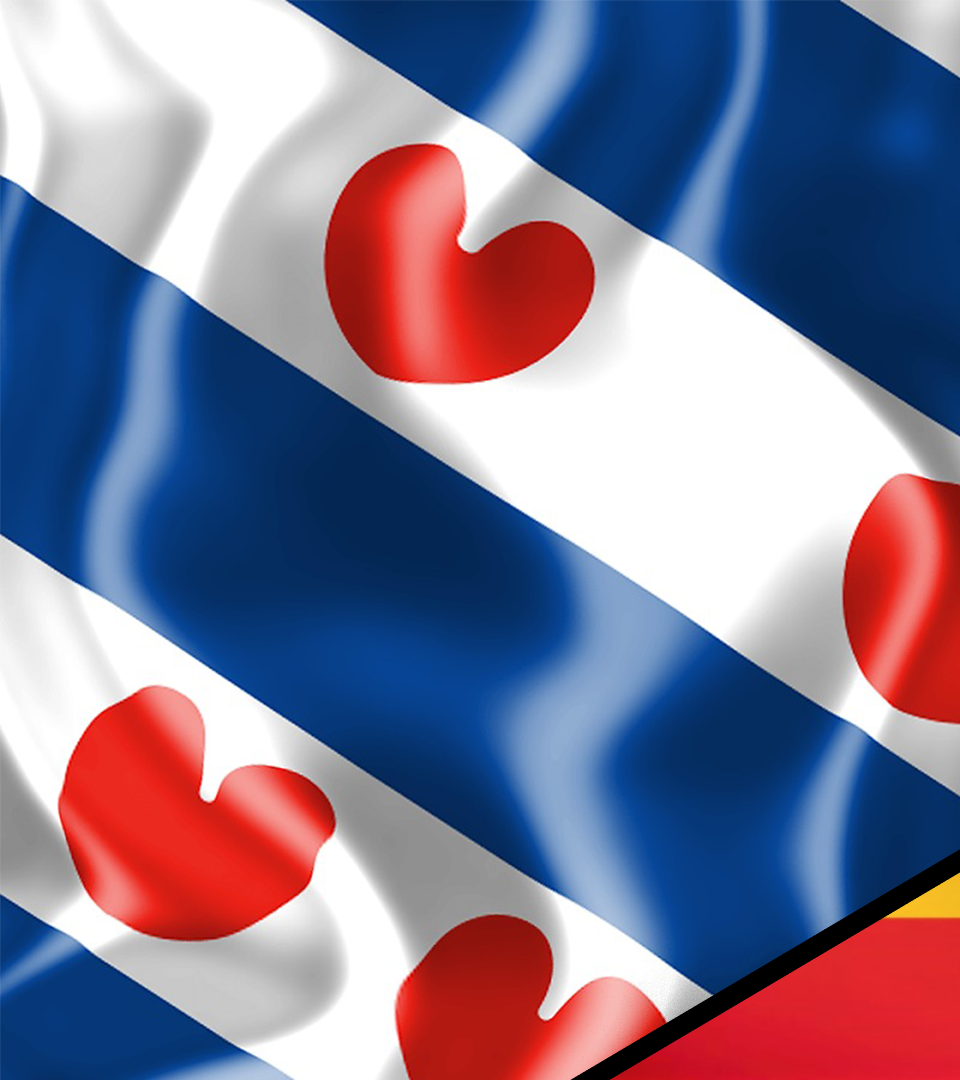
The cultural program centered on Frisian identity and landscape. Events explored the region's language, history, traditions, and natural heritage with a seriousness that felt rare for an outsider's view. Local artists, musicians, and institutions across Fryslân took part in building the year's offerings. What emerged was a picture of a region with its own voice and character, distinct from the rest of the Netherlands in ways both visible and felt.
Eight years later, the city has not let that energy fade. Cultural institutions that opened or expanded during 2018 remain active. New museums and galleries stayed open. The year also created lasting connections between artists and institutions across Fryslân, who continue to collaborate on exhibitions and projects. Networks built during that year still influence the cultural calendar today.
The physical city changed as well. Squares were redesigned to become gathering places. Riverfront areas were developed into public spaces. Some buildings were restored or repurposed. The improvements did not end when the year closed but continued gradually in the years that followed. Walking through Ljouwert today, you can see how 2018 altered the shape of the city itself.
What made 2018 matter was not just the events or the visitors, but what it showed to the people of Fryslân themselves. The year said: your region is worth looking at. Your culture, language, and stories are interesting enough for Europe to turn its attention this way. Eight years on, that belief has taken root. The city and region did not go back to quiet after the year ended. They carried the question that 2018 posed into the years that followed, and they never quite stopped asking it.
Published September 5, 2026 · Frisian News