Japan Raises Permanent Residency Fee 20-Fold, Sets Bar Above National Average
October 8, 2026 · Frisian News
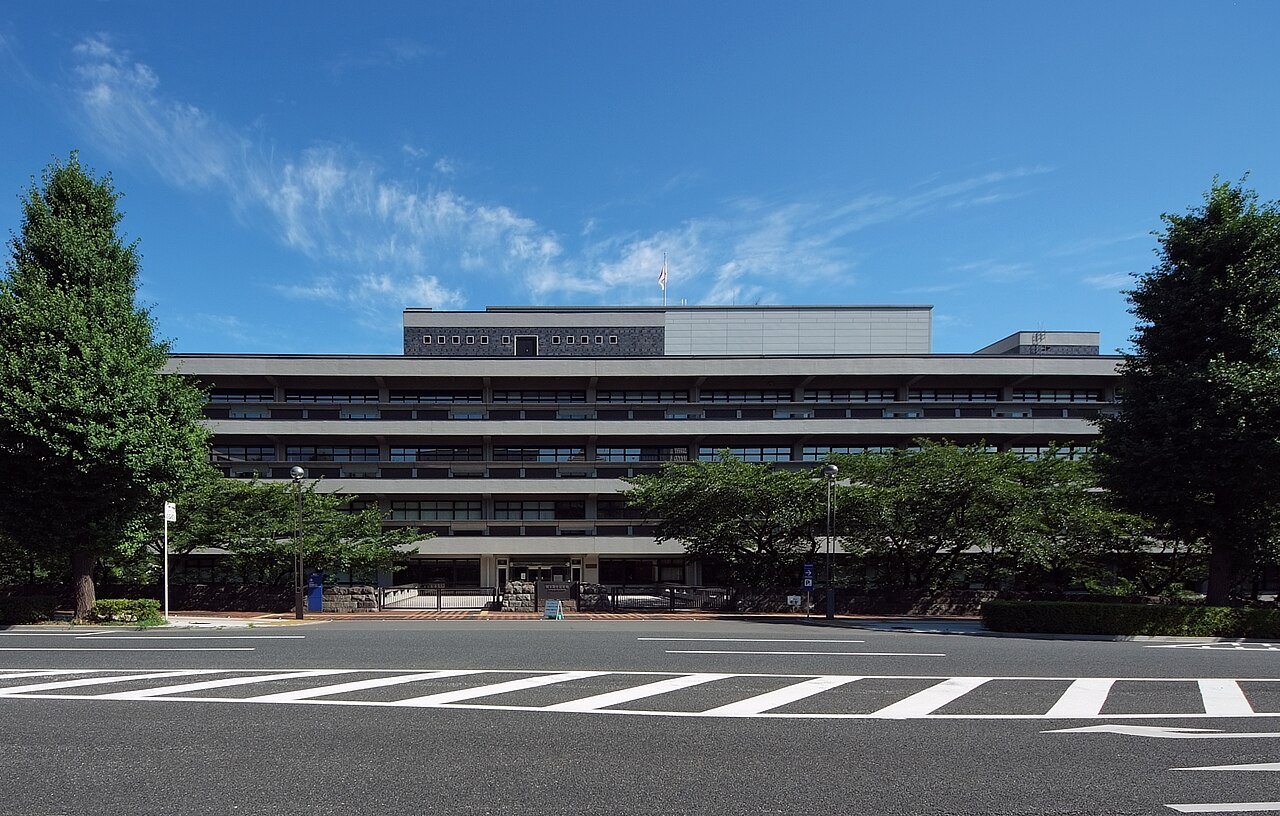
Photo: Wikimedia Commons
Japan raised its permanent residency application fee twenty times to 200,000 yen ($1,270) on October 1 and requires applicants to earn above the national average of 5.75 million yen. Germany, by contrast, granted 333,000 citizenships in 2025 while Japan approved roughly 11,500.
The permanent residency application fee in Japan jumped from 10,000 yen to 200,000 yen ($1,270) on October 1, a twentyfold increase, the Immigration Services Agency reported. Applicants who had not yet filed scrambled to beat the deadline. Tokyo's main immigration bureau reported wait times of over seven hours as long queues formed outside its offices.
The hike is part of a broader tightening under Prime Minister Sanae Takaichi. Fees to change or extend other residence statuses, long fixed at 6,000 yen, now scale with the duration of the permit and reach 75,000 yen for stays of five years or more. A separate fivefold increase in visa fees took effect in July, the first adjustment in 50 years, which Foreign Minister Toshimitsu Motegi described as a correction "to reflect inflation and exchange rate fluctuations."
Permanent residency applicants must show continuous household income at or above the Japanese average of 5.75 million yen ($36,500), based on 2024 official data. They must also demonstrate projected pension benefits comparable to 30 years of contributions to the employees' pension system, though financial assets can cover a shortfall. From April 2027, applicants will need Japanese language proficiency at the level of an independent user.
Takaichi has been direct about the political pressure behind the changes. Japan's foreign resident population reached a record 4.12 million at the end of 2025, a 9.5% rise in a single year. "The government acknowledges that some citizens feel anxious or a sense of unfairness due to the rising number of foreign residents," she wrote on X on September 27. Her stated goal is to keep policy "orderly" so that "both citizens and foreign nationals can live safely and securely."
Not everyone inside Japan accepts the logic. Micaiah Stevens, a 37-year-old who has lived and worked in Tokyo for ten years, could not compile his paperwork in time and now faces the higher fee. "We're being asked to make more than the average Japanese person, pay a significantly higher fee, just to be able to work in Japan and provide taxes," he told the BBC. "This just doesn't strike me as a plan that was thought out to the long term."
The contrast with Germany is stark. Germany cut the standard residency wait from eight years to five on June 27, 2024, and removed the requirement to renounce an existing nationality. The result: Germany granted about 292,000 citizenships in 2024 and roughly 333,000 in 2025, according to rmx.news. Japan approved approximately 11,500 naturalizations in 2025 against a foreign resident population of 4.12 million. Japan does not recognize dual nationality for people who naturalize, and formal applications clear the bar at over 90%, though many prospective applicants are screened out before they ever file.

Published October 8, 2026 · Frisian News