£40bn a Year: The Tax Rise Britain Never Voted For
November 22, 2026 · Frisian News
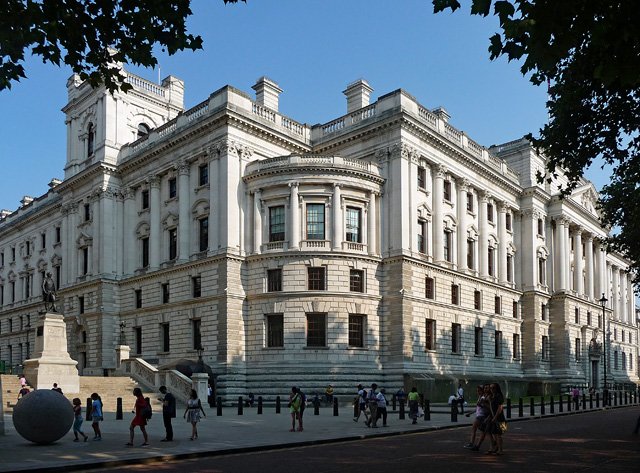
Photo: Wikimedia Commons
The OBR projects frozen income-tax thresholds will raise over £40bn a year for the Treasury by 2031, costing a £50,000 earner £981 extra this tax year. The UK Budget on 28 October extended the freeze by a further three years to April 2031.
Over £40bn a year will flow to the Treasury from frozen income-tax thresholds by the time the freeze ends in 2031, the Office for Budget Responsibility projects, according to data published by KnowTheCost. That same analysis puts the cost to a £50,000 earner at £981 extra this tax year, compared with what they would owe under inflation-adjusted thresholds. Nobody voted for the increase. No Chancellor had to announce one.
The mechanism is this. The Personal Allowance has sat at £12,570 and the higher-rate threshold at £50,270 since April 2021. Wages and prices kept moving. The UK Budget on 28 October 2026 left the freeze in place until April 2031, retaining a schedule already set before that Budget, Slow Money Movement reported citing HM Treasury Budget 2026 documents.
Inflation compounded against frozen thresholds by 27.9% between 2021/22 and 2026/27, SalaryGrid calculates using ONS CPI figures. Had thresholds kept pace, the Personal Allowance would now stand at around £16,070, not £12,570. The higher-rate threshold would sit at around £64,270, not £50,270. The gap between those numbers and the ones on a payslip is what the Treasury pockets each year.
For basic-rate earners, the freeze costs around £700 a year in extra income tax, the difference between tax on frozen thresholds and tax on inflation-adjusted ones, SalaryGrid data shows. The hit sharpens above £50,270. At £60,000, the freeze costs £2,646 a year in income tax alone, because the frozen higher-rate threshold pulls pay into the 40% band that an uprated threshold would still have taxed at 20%. At £70,000 and above, the annual income-tax cost of the freeze reaches £3,500, SalaryGrid calculates.
The government never presented any of this as a tax rise. The OBR projects that by 2030/31, an extra 5.2 million people will pay income tax as a result of the freeze, with 4.8 million more entering the higher-rate band and a further 600,000 reaching the additional rate, according to figures cited by Econary. The drag reaches every income level, touching workers who cross the Personal Allowance for the first time and pensioners whose State Pension, itself taxable income, edges them past the unchanged threshold, Slow Money Movement notes.
The October 2026 Budget announced two household measures alongside the extended freeze. A £100 Household Energy Payment will go to eligible council tax bands A to D in England from January 2027. Gas standing charges are planned for removal, with their costs moved into unit prices, HM Treasury documents cited by Slow Money Movement show. Neither measure restores a penny of what frozen thresholds have taken.
A threshold that cannot move is a tax rise in slow motion, and the government chose not to call it one.

Published November 22, 2026 · Frisian News