
Breaking
EU Commission issues new nitrogen compliance ultimatumFrisian farmers vow to resist Brussels directiveNew fierljeppen record set in WinsumWetterskip Fryslân warns of coastal flooding riskLeeuwarden named top cycling city in the NetherlandsEU Commission issues new nitrogen compliance ultimatumFrisian farmers vow to resist Brussels directiveNew fierljeppen record set in WinsumWetterskip Fryslân warns of coastal flooding riskLeeuwarden named top cycling city in the Netherlands
Tuesday, 20 May 2026  ·  Ljouwert, FryslânEst. 2026

FRISIAN NEWS

Nijs fan Fryslân  ·  Friesland News  ·  In English

Friesland's Art Movement: Regional Painters and the Quest for Local Identity
Culture

De keunstvorm fan Fryslân: Regionale skilders op syk nei lokale identiteit

August 26, 2026 · Frisian News

Painters working across Friesland are building a visual language rooted in the region's landscape and culture. Contemporary artists engage with questions of local identity and heritage, drawing on centuries of artistic tradition while forging their own distinctly Frisian voice.

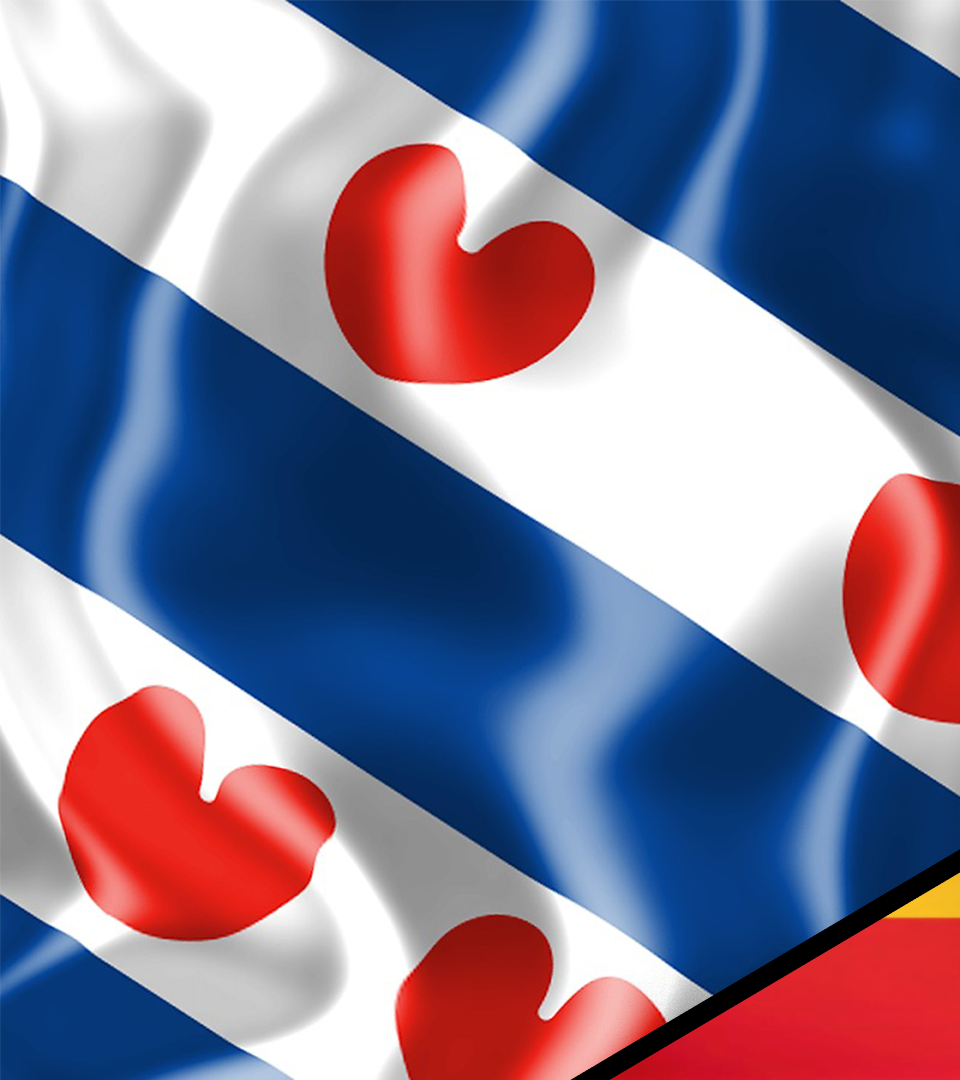
Frisian flagFrysk

Skilders yn Ljouwert, Snits en lytse doarpen yn hiel Fryslân gripe nei ûnderwerpen dy't harren foargongers ieuwen lang skildere hawwe. Wiidweidige loften boppe feangreiden, fearten lâns buorkerijen, it spul fan ljocht op wetter. Mar hjoeddeistige keunstners stelle oare fragen. Se wolle dat harren wurk wat waars seit oer wa't Friezen binne, oer wat dizze flakke griene hoeke fan Nederlân ûnderskiedt.

Fryslân lûkt al lang skilders oan mei har skralle, dramatyske lânskip. De grutte loften fan de regio, de flakke hoarizon en it bysûndere ljocht hawwe ieuwen lang keunstners ynspirearre. De keunst-tradysje yn Fryslân is djip. Wat feroare is yn resinte jierren, is hoe skilders har ta harren plak ferhâlde. Ynstee fan Fryslân as dekor te sjen, freegje hjoeddeistige keunstners wat it betsjut Fries te wêzen, hoe de skiednis en kultuer fan de regio identiteit foarmje, en hoe keunst wat unyk lokaal útdrukke kin.

In protte skilders wurkje no streekrjocht mei Fryske taal, skiednis en tradysje. Guon gebrûke de fisuele symboalen fan regionaal libben: houten buorkerijen, tradisjonele dracht, de tekstuer fan it lân. Oaren ferkennje abstrakte fragen oer ferbûnens en kulturele kontinuïteit. Dit ferskaat werspegelet in breder petear yn Fryslân oer taal, erfgoed en wat it betsjut identiteit fêst te hâlden yn in feroarjende wrâld. Dy fraach driuwt harren wurk oan.

Galeries en kulturele romten yn Ljouwert en oare stêden biede it platfoarm dat dizze keunstners nedich hawwe. Musea, lytsere galeries en mienskippen fan keunstners meitsje de romte dêr't skilders wurk ûntwikkelje en toane kinne dat woartelet yn regionale fragen. Dizze romten binne wichtich omdat se keunstners fertelle dat harren fragen it stellen wurdich binne, dat Fryske identiteit it wurdich is om mei ferve en doek te ûndersykjen, dat lokale fyzje net lyts of provinsjaal is.

Foar elkenien dy't nei Fryslân lûkt wurdt, biedt dizze artistike omgong mei lokale identiteit wat echts. De skilderijen yn galeries oer hiel de provinsje binne net samar moaie gesichten. Se binne petearen oer plak, oer taal, oer wat it betsjut earne by te hearren. Se freegje dy Fryslân net as lânskip te sjen, mar as in plak mei in eigen artistike stim en in oanhâldend ferhaal.

English

Painters working in Ljouwert, Snits, and small villages across Friesland are turning to subjects their predecessors painted for centuries. Wide skies over peat meadows, canals lined with farmhouses, the play of light on water. Yet today's artists ask different questions. They want their work to say something true about who Frisians are, about what makes this flat green corner of the Netherlands distinct.

Friesland has always drawn painters to its spare, dramatic landscape. The region's big skies, flat horizons, and particular quality of light have provided subjects and inspiration for generations. The province's artistic heritage runs deep. What has shifted in recent years is how painters relate to their place. Rather than seeing Friesland simply as scenery to depict, contemporary artists ask what it means to be Frisian, how the region's history and culture shape identity, and how art can express something uniquely local.

Many painters now engage directly with Frisian language, history, and tradition. Some work with the visual symbols of regional life: wooden farmhouses, traditional costumes, the texture of the land. Others explore more abstract questions about belonging and cultural continuity. This range of approaches reflects a broader conversation in Friesland about language, heritage, and what it means to hold onto identity in a changing world. The question drives their work forward.

Galleries and cultural spaces in Ljouwert and other towns provide the platforms these artists need. Museums, smaller galleries, and artist communities create the space where painters develop and show work rooted in regional concerns. These spaces matter because they tell artists that their questions deserve asking, that Frisian identity is worth exploring through paint and canvas, that local vision is neither small nor provincial.

For anyone drawn to Friesland, this artistic engagement with local identity offers something genuine. The paintings in galleries across the province are not simply pretty views. They are conversations about place, about language, about what it means to belong somewhere. They ask you to see Friesland as more than a landscape to visit, but as a place with its own artistic voice and continuing story.

Published August 26, 2026 · Frisian News · Ljouwert, Fryslân