Infrastructure

The Coming Shortage of Truck Drivers and Why It Matters for Everyone
The trucking industry faces a shortfall of 80,000 drivers as wages stagnate and the workforce ages. Without intervention, freight costs will climb and rural economies will suffer most.

Why the Netherlands Keeps Building in Flood Zones
Dutch authorities approve new housing and commercial projects in flood-prone areas despite climate risk. Developers profit while taxpayers absorb the cost.

The Hidden Cost of Data Centers for Local Electricity Grids
Data center companies expand so fast that local electricity grids break. Communities foot the bill for billion-dollar upgrades while companies pay cheap negotiated rates.

The Coming Shortage of Truck Drivers and Why It Matters for Everyone
Europe is short 400,000 truck drivers. Logistics companies blame workers instead of raising wages, but the shortage serves some companies well.
How the Netherlands Became a World Leader in Water Technology
The Netherlands exported 1.2 billion euros in water technology in 2025, commanding roughly 15 percent of the global market. Dutch expertise, born from centuries of fighting water, has become a profitable international industry.

How the Dutch Cycling Infrastructure Was Built Over Decades, Not Years
Dutch cycling infrastructure took more than twenty years of grassroots activism to build, not enlightened planning. A traffic death in 1971 sparked decades of political pressure that forced car-first streets to transform.

The Forgotten Floods of the Twentieth Century in the Netherlands
Over a century ago, the Netherlands suffered devastating floods that killed hundreds but have since faded from public memory. The 1916 and 1926 disasters revealed system failures that recurred in 1953, yet we forgot the lessons.
Why Train Travel Is Slower in Europe Now Than Fifty Years Ago
European express trains travel slower today than they did fifty years ago, despite better technology. Infrastructure fragmentation, maintenance backlogs, and political choices favoring highways explain the decline.

How the Dutch Cycling Infrastructure Was Built Over Decades, Not Years
The Dutch cycling network of 33,000 kilometers took 50 years to build, not because of visionary planners but through decades of grassroots pressure against institutional resistance.
The Hidden Cost of Data Centers for Local Electricity Grids
Microsoft and Google build data centers across Europe at a pace that exhausts regional power grids. The cost of grid upgrades falls on ordinary households, while corporations capture the profits.
The Forgotten Floods of the Twentieth Century in the Netherlands
The Netherlands systematically removed its worst twentieth-century floods from public memory. In 1916, over one thousand people drowned in the Zuiderzee. Today, this disaster is absent from school textbooks and national commemoration.

Why Train Travel Is Slower in Europe Now Than Fifty Years Ago
European trains are slower today than they were in 1975, despite billions invested in modernization. Fragmented rail systems, aging track, and bureaucratic rules turned technological progress into stagnation.

Why Speed Limits Are the Least Effective Road Safety Tool
Swedish research shows speed cameras correlate poorly with accident reduction in urban areas, while road design and enforcement focus matter far more. Most speed enforcement revenue comes from marginal violations, not dangerous driving.

The History of Floods in the Netherlands Before Modern Dikes
On December 25, 1287, a storm surge killed over 50,000 people in the Netherlands without any dikes. Medieval people learned to live with water, not against it.

Why Electric Vehicle Charging Infrastructure Is Years Behind the Cars
Charging networks across Europe are five years behind EV deployment, forcing drivers to wait 45 minutes at public stations despite billions in government subsidies.

The Ferry Networks That Quietly Hold the North Sea Together
Ferry networks connecting northern Scottish islands transport millions yearly but barely feature in transport policy debates. Routes like those to Shetland are often unprofitable without subsidies now under constant threat.
Why Electric Vehicle Charging Infrastructure Is Years Behind the Cars
Global EV sales reached 14 million units in 2025, but public charging infrastructure barely grew. With fewer than one charger for every five cars, the gap between vehicles and infrastructure widens daily.

Why Electric Vehicle Charging Infrastructure Is Years Behind the Cars
Germany and other nations have more electric vehicles than public charging stations. As EV sales soared after government subsidies, the infrastructure to support them never caught up.

The State of Nuclear Power in Europe in 2026
France's nuclear reactors generate 70 percent of its electricity at Europe's lowest prices, yet the continent's nuclear capacity has barely grown in fifteen years, with most nations either abandoning or stalling new reactor construction.
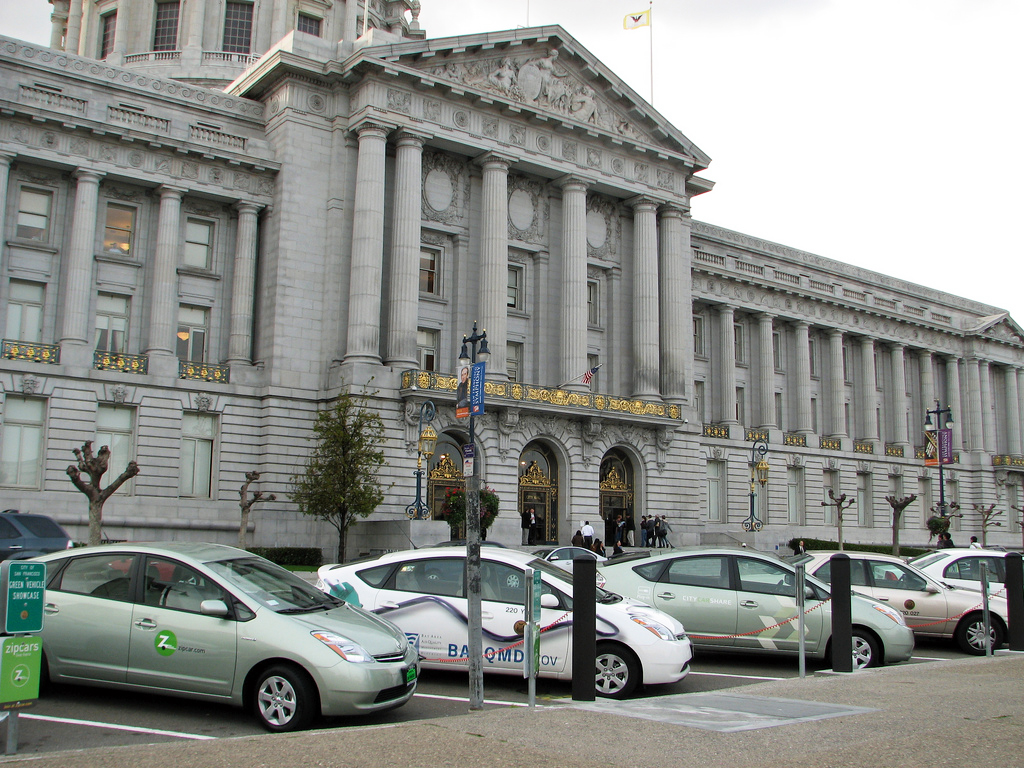
Why Electric Vehicle Charging Infrastructure Is Years Behind the Cars
Governments subsidized electric cars into affordability but left charging infrastructure to private companies pursuing profit. The result: thousands of vehicles waiting for a handful of public chargers.

The State of Nuclear Power in Europe in 2026
France generates 70 percent of European nuclear power while Germany shut down its reactors, then buys French nuclear electricity. The political push for new reactors is not about energy security, but about construction contracts and subsidy flows.

The Hydrogen Infrastructure That Does Not Exist Yet
The EU is funding hydrogen projects across Europe, but the infrastructure to transport, store, and distribute hydrogen at commercial scale does not exist.

Why Dutch Airports Are Running at Maximum Capacity with No Expansion Plan
Dutch airports operate at maximum capacity while the government blocks all expansion plans, locking in scarcity and pushing traffic to foreign hubs.
Why Electric Vehicle Charging Infrastructure Is Years Behind the Cars
Germany sold 784,000 electric vehicles in 2024 but installed only 68,000 new charging points. Governments mandated EV adoption without planning proportional infrastructure investment.
The State of Nuclear Power in Europe in 2026
Europe's nuclear fleet is aging faster than new capacity replaces it. Investment pledges promise renewal, but decades-long construction timelines and political reversals suggest the continent's nuclear ambitions remain more rhetorical than real.
How Undersea Cables Became the Most Vulnerable Part of Global Communications
Undersea cables carry 99% of international data traffic but remain defended like telegraph lines. Russia and China have shown strategic interest in these systems, which private tech companies operate with minimal security.
The Hydrogen Infrastructure That Does Not Exist Yet
Europe promised 1,000 hydrogen refueling stations by 2030, but only 250 exist today. Most hydrogen is made from fossil fuels, yet construction of actual infrastructure lags by a decade.
Why Electric Vehicle Charging Infrastructure Is Years Behind the Cars
Automakers sold millions of EVs in 2025 with government subsidies, but charging networks stayed thin. The infrastructure gap accelerates every quarter, leaving drivers frustrated.

Why Dutch Airports Are Running at Maximum Capacity with No Expansion Plan
Amsterdam Airport Schiphol operates at its 500,000-flight ceiling set by environmental agreements. The Dutch government has no expansion plan, forcing the busy airport to manage demand through slot scarcity and rising fees.

The State of Nuclear Power in Europe in 2026
Poland broke a decade of inertia by approving new reactor sites in March 2026. Across Europe, energy crises and renewable delays are forcing governments to reconsider nuclear power, despite the technology remaining slow and expensive.
How Undersea Cables Became the Most Vulnerable Part of Global Communications
Thousands of thin fiber-optic cables running across the ocean floor carry most international data traffic, but they are almost completely unprotected against damage from shipping accidents, repair ships, and sabotage.

A Spectacular Fossil Fish Finally Gets Its Story Back
A 1.2-meter fossil fish sat unstudied in a New Zealand museum for 30 years until researchers rediscovered the original field notebooks, revealing it was an ancient predator that hunted these waters 55 million years ago.

Why Public Transport Cuts Hurt Rural Areas Most
Bus and train cuts in rural regions eliminate mobility for elderly residents and low-income workers while cities keep full service. Local councils say central governments shift costs to the countryside.

Port of Rotterdam: Still Europe's Biggest but for How Long?
Rotterdam handled 476 million tonnes of cargo in 2025, keeping its European crown, but aggressive expansion in Hamburg and Antwerp threatens its dominance within five years. Dutch port officials warn that aging infrastructure and bureaucratic delays risk losing business to faster, newer competitors.
Why Broadband in Rural Netherlands Lags a Decade Behind Cities
Rural areas in the Netherlands still lack gigabit-speed internet that cities have had since 2015, despite government subsidies and EU funding. Private telecom firms avoid villages because the cost per customer is high and returns are slow.

Bridge Maintenance in the Netherlands: A Crisis in Slow Motion
Dutch authorities have deferred maintenance on 2,847 bridges worth 18 billion euros, with safety inspections now delayed by up to four years. Cities and provinces blame budget cuts and central government foot-dragging as crumbling infrastructure becomes a ticking bomb.
Why Public Transport Cuts Hurt Rural Areas Most
Cuts to rural bus and train services accelerate the decline of small communities while cities keep their networks intact. The real cost goes beyond fares: jobs disappear, young people leave, and towns become invisible to policymakers.

Why Road Maintenance Budgets Are Being Cut Everywhere in Europe
European governments are slashing road maintenance spending while pouring money into electric vehicle charging networks and rail projects. The shift reflects political priorities, not infrastructure needs.

New Pancreatic Cancer Pill Extends Life, But at What Cost and for Whom?
Researchers announced a new pancreatic cancer pill that extends survival in advanced cases, but questions about cost, access, and actual benefit remain unanswered in early reports.
The Sewage Infrastructure Crisis Hidden Below Dutch Cities
Dutch municipalities face billions in overdue sewer repairs as aging pipes fail across major cities. Officials knew about the problem for decades but delayed action until emergency funding became unavoidable.

The Data Center Boom Is Consuming Land and Water Across the Netherlands
Data centers in the Netherlands now use more water than Amsterdam's entire population. Tech companies and American investors are buying up farmland and agricultural areas to build server farms, raising questions about who controls the country's digital infrastructure.
How Nitrogen Rules Are Blocking Every Infrastructure Project in the Netherlands
Dutch road, rail, and water projects sit frozen because nitrogen pollution rules prevent any work that disturbs soil or vegetation. The rules, meant to protect nature, now strangle the country's ability to build anything.
How the Dutch Water Management System Is Running Out of Money
The Dutch regional water boards face a funding crisis as maintenance costs climb faster than budgets allow, forcing municipalities to choose between aging infrastructure repairs and new climate resilience projects.

The Shipping Industry's Hidden Fuel Problem
Global shipping lines burn through 400 million tons of fuel annually, yet regulators have allowed carriers to switch to cheaper, dirtier alternatives when strict sulfur limits took effect. The bill lands on coastal communities and port workers, not shareholders.

Port of Rotterdam: Still Europe's Biggest but for How Long?
Rotterdam handled 496 million tonnes of cargo last year, keeping its crown as Europe's largest port, but competition from Hamburg and Antwerp is intensifying as those cities invest heavily in new terminals and rail connections.
Why Broadband in Rural Netherlands Lags a Decade Behind Cities
Rural Dutch municipalities receive only half the broadband investment of urban areas, and subsidies flow toward profitable projects while neglecting isolated farms. The gap grows wider each year as cities race ahead.
Why the CDC Finally Questioned a 30-Year Vaccine Rule
The CDC's vaccine advisory committee debated universal immunization policy for the first time in over three decades, revealing how entrenched public health recommendations become immune to scrutiny.

The Electricity Grid Cannot Handle the Energy Transition
Europe's electricity networks lack the capacity to support mass electrification and renewable energy integration, forcing costly infrastructure upgrades that governments have not budgeted for.
Dutch Rail Is Breaking Down and the Fix Is Decades Away
ProRail admits the Dutch rail network needs 50 billion euros in repairs, with critical tracks not fixed until after 2040. The agency blames budget cuts and decades of underinvestment.

The Dike Protecting Half of Friesland Needs €400 Million. Nobody Wants to Pay.
A critical section of Frisian coastal defence has been rated 'insufficient' by national inspectors. Three years of budget negotiations have produced nothing.
Dutch Rail Is Breaking Down and the Fix Is Decades Away
Dutch Railways faces a massive backlog of maintenance and aging infrastructure, with officials now admitting repairs will take until the 2050s. Passengers face constant delays while bureaucrats debate spending and priorities.

Why Road Maintenance Budgets Are Being Cut Everywhere in Europe
Local governments across Europe are slashing road maintenance spending to meet green energy targets and climate goals. The result is crumbling asphalt and longer repair backlogs that will cost far more to fix later.

The Data Center Boom Is Consuming Land and Water Across the Netherlands
Tech companies and their investors are building data centers at record pace across the Netherlands, claiming scarce agricultural land and draining aquifers faster than water boards can replenish them. Local communities rarely have a say in these projects, which national planners treat as inevitable progress.

How the Dutch Water Management System Is Running Out of Money
Dutch water boards face a funding crisis as aging infrastructure demands billions in repairs while the national government shrinks its contributions. Local communities now bear the full weight of maintaining the dikes and pumps that keep the country dry.

Port of Rotterdam: Still Europe's Biggest but for How Long?
Rotterdam remains Europe's largest port by container volume, but German and Belgian competitors are closing the gap fast. Aging infrastructure and political delays threaten its dominance within a decade.
Why Broadband in Rural Netherlands Lags a Decade Behind Cities
Rural Dutch communities still lack fiber connections that urban areas installed years ago, forcing farmers and small businesses to rely on slow satellite and copper networks. The gap reflects how big telecom firms chase profit in cities while government subsidies fail to reach remote villages.

The Electricity Grid Cannot Handle the Energy Transition
Europe's electricity infrastructure, built for stable coal and gas plants, buckles under wind and solar demands. Grid operators now admit they lack the wires, storage, and planning to support mass electrification.
Bridge Maintenance in the Netherlands: A Crisis in Slow Motion
Dutch bridge inspectors report that one in four bridges shows structural wear that demands immediate repair, yet funding remains frozen in bureaucratic channels. Municipalities blame The Hague while the central government points fingers back.

Why Public Transport Cuts Hurt Rural Areas Most
Local bus and train services across rural regions face steep cuts as transit agencies prioritize urban networks. Communities without cars lose access to work, healthcare, and schools.
The Sewage Infrastructure Crisis Hidden Below Dutch Cities
Aging sewage systems across the Netherlands are failing faster than cities can repair them, forcing municipalities to choose between expensive upgrades and environmental damage. Engineers warn that decades of underfunding have left hundreds of kilometers of pipes in dangerous condition.

How Nitrogen Rules Are Blocking Every Infrastructure Project in the Netherlands
Strict nitrogen emission limits tied to European law have paralyzed construction across the Netherlands, with courts blocking roads, rail lines, and housing projects indefinitely. The government struggles to reform rules that environmentalists defend but ordinary Dutch citizens increasingly resent.

The Shipping Industry's Hidden Fuel Problem
Ship owners across the world are burning toxic heavy fuel oil to save money, even as regulations tighten. The industry resists switching to cleaner fuels because the costs are high and enforcement remains weak.
Why Dutch Airports Are Running at Maximum Capacity with No Expansion Plan
Amsterdam Airport Schiphol and Rotterdam operate near full capacity while environmental opposition and bureaucratic delays block any major expansion. The Dutch aviation sector now faces a bottleneck with no relief in sight.
The State of Nuclear Power in Europe in 2026
Europe's nuclear fleet has stabilized after years of closures, with new reactors under construction and aging plants running longer than planned. The shift reflects growing recognition that wind and solar alone cannot meet decarbonization targets.

How Undersea Cables Became the Most Vulnerable Part of Global Communications
Ninety-nine percent of intercontinental data travels through undersea fiber optic cables, yet these vital lines remain exposed to ship anchors, fishing nets, and potential sabotage. Governments and tech giants have largely ignored the risk until recent cuts exposed the fragility of global internet infrastructure.

The Hydrogen Infrastructure That Does Not Exist Yet
Europe plans a hydrogen economy but lacks the pipelines, storage, and production plants needed to make it work. Governments spend billions on promises while the practical groundwork remains incomplete.
Why Electric Vehicle Charging Infrastructure Is Years Behind the Cars
Car makers flood markets with electric vehicles while charging networks lag far behind, leaving drivers stranded and cities unprepared. Bureaucracy and poor planning, not technology, created this gap.

The Ferry Networks That Quietly Hold the North Sea Together
Small ferry routes connecting North Sea ports move more cargo and people than most realize, yet regional governments starve them of investment while focusing on highways and airports. Without these networks, coastal towns would economically collapse.

Why the Rhine Is Europe's Most Important River
The Rhine carries more cargo than any other European waterway and sustains millions of people across six countries. Without it, the continent's economy would grind to a halt.

Why Cyclists Are Not the Enemy of Urban Planning
Cities that blame cyclists for congestion miss the real problem: too many cars. Data shows bike lanes reduce traffic jams and cut costs for municipalities far below what roads consume.
The History of Floods in the Netherlands Before Modern Dikes
For centuries, the Dutch lived at the mercy of the sea and rivers, suffering catastrophic floods that killed tens of thousands. Only patient earthwork and collective will transformed the low countries into engineered land.

Why Train Travel Is Slower in Europe Now Than Fifty Years Ago
European trains move slower today than they did in 1975, despite modern technology and billions spent on rail networks. Fragmented systems, safety rules, and political gridlock have clogged the continent's railways.

Why Speed Limits Are the Least Effective Road Safety Tool
Research shows speed limits prevent fewer accidents than road design, driver training, and vehicle safety features. Governments continue to rely on them because they generate revenue and require no infrastructure investment.
The Forgotten Floods of the Twentieth Century in the Netherlands
Dutch historians have uncovered records of three major floods in the 1940s and 1950s that vanished from official memory, reshaping how engineers understand water management failure. The gaps in government archives raise questions about what else went undocumented during the postwar decades.

The Hidden Cost of Data Centers for Local Electricity Grids
Tech companies build massive data centers across Europe without fully compensating communities for grid strain and infrastructure upgrades. Local utilities and taxpayers foot the bill while corporations capture the profits.

How the Dutch Cycling Infrastructure Was Built Over Decades, Not Years
The Netherlands did not build its famous cycling networks overnight. Politicians and engineers spent 50 years fighting car culture, making slow gains street by street.
Why Passenger Numbers at Regional Airports Keep Rising Despite the Climate
Regional airports across Europe report double-digit passenger growth in 2025, even as governments pledge carbon cuts. Low-cost carriers and fewer restrictions on short-haul flights drive the trend.
How the Netherlands Became a World Leader in Water Technology
Dutch firms now export water management systems to over 100 countries, turning survival against floods into a profitable export business. The sector grew from practical necessity into a competitive advantage worth billions annually.
The Coming Shortage of Truck Drivers and Why It Matters for Everyone
European haulage companies report they cannot fill driver positions even at higher wages, a crisis that threatens grocery deliveries, fuel supply, and construction materials across the continent. The shortage stems from aging workforces, strict regulations, and young people rejecting the job.

Why the Netherlands Keeps Building in Flood Zones
Dutch municipalities approve new housing and commercial projects in areas prone to flooding, ignoring their own climate risk assessments. Economic pressure and loose enforcement of building codes override safety concerns.

Why High-Speed Rail Projects in Europe Keep Running Billions Over Budget
Europe's high-speed rail ambitions routinely collapse under cost overruns of 50 to 200 percent, driven by poor planning, political pressure, and bureaucratic bloat. The pattern repeats across countries, yet Brussels pushes forward with more projects.
Why the Dutch Still Have the World's Most Efficient Port
Rotterdam Port processes more cargo per square kilometer than any competitor, thanks to centuries of Dutch water management and pragmatic labor practices. While Asia's mega-ports grow larger, the Dutch focus on speed and reliability over size.

Why the Netherlands Needs Two Million More Homes and Has No Plan
Dutch housing shortage will reach two million homes by 2050 if current building rates continue, yet government agencies blame each other rather than fix the problem. Local authorities lack funding and authority while national policy remains trapped in red tape.
Why the Housing Crisis Is Also a Planning Crisis
Planners block housing construction through red tape and zoning rules while blaming markets. Local governments refuse to build density, then wonder why homes cost three times what workers earn.
How Urban Planning Decisions Made Fifty Years Ago Still Cause Traffic Today
A generation of urban planners in the 1970s widened highways and zoned suburbs far from city centers, betting that cars would solve congestion. That bet failed, and cities still pay the price in traffic jams and sprawl.

Why the Dutch Construction Sector Cannot Build at the Pace Needed
Dutch builders face severe bottlenecks in labor, permits, and materials that make it impossible to meet housing and infrastructure targets. The sector struggles with aging workers, Byzantine regulations, and supply chain fragility.